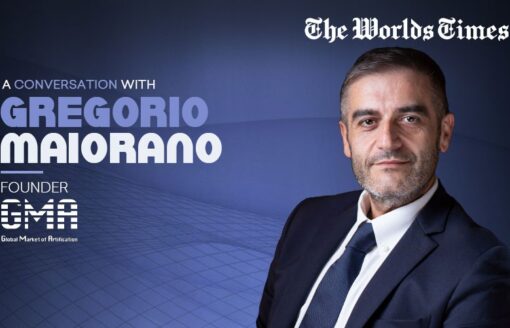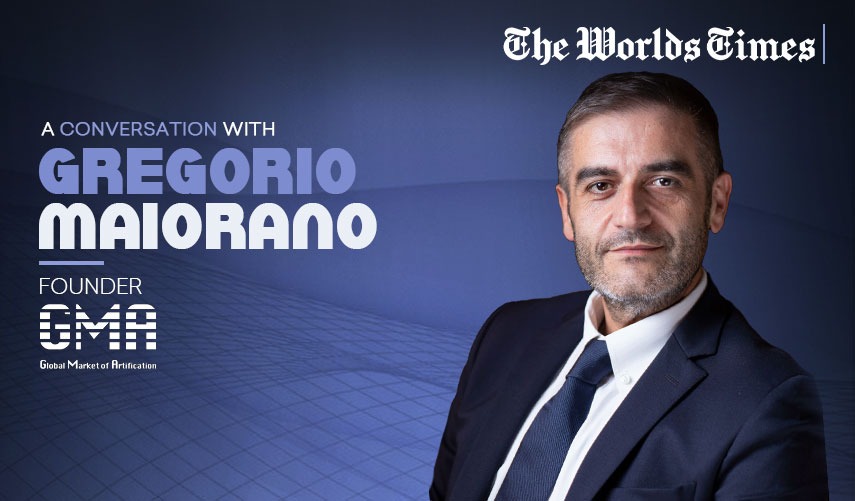
A Conversation With Gregorio Maiorano
For years, blockchain projects claimed they would transform entire industries. Most never did.
The pattern became predictable: hype-driven launches, speculative token models, communities focused more on price action than real participation, and ecosystems that rarely moved beyond promises and white papers.
But the market is changing.
As the Web3 sector matures, attention is slowly shifting away from pure speculation and toward projects trying to build actual infrastructure with long-term utility.
That is where Artenis (ATNS), the utility token introduced by GMA, becomes interesting.
Because this does not look like a traditional token launch. It looks more like an attempt to build a digital cultural ecosystem where blockchain becomes part of the operational structure rather than the product itself.
More Than Just Another Token
At first glance, ATNS may seem like another ERC-20 token entering an already crowded market. But GMA’s approach appears different.
According to the company’s vision, Artenis is not positioned as a speculative asset or investment product. Instead, it is designed to function as the utility layer inside a broader ecosystem connecting art, culture, immersive experiences, digital access, and blockchain infrastructure.
That distinction matters.
Because in 2026, the problem is no longer creating tokens. Anyone can launch a token. The real challenge is creating ecosystems that people actually continue using over time.
GMA’s thesis seems to be that the cultural sector, especially the global art world, may be one of the few industries where blockchain can solve real operational problems while also improving user participation.
Why Culture and Blockchain Could Actually Fit Together
Despite its global influence, the art and cultural sector still operates through systems that are often fragmented, opaque, and difficult to access.
Barriers still include institutional gatekeeping, limited transparency, outdated participation models, geographic restrictions, weak digital interoperability, and complex provenance verification.
At the same time, younger digital-native audiences increasingly expect accessibility, transparency, interaction, and digital ownership experiences that traditional structures struggle to provide.
This creates a natural opening for blockchain infrastructure.
When applied correctly, blockchain can support transparent provenance tracking, verifiable ownership, programmable access rights, digital certification systems, NFT-based integrations, community-driven participation, and tokenized engagement mechanics.
The technology itself is no longer the difficult part. Execution is. And that is exactly where most Web3 projects historically failed.
GMA’s Bigger Ambition
What makes the project more ambitious is that GMA does not appear to be building only a token or a marketplace.
The broader idea seems closer to creating a digital operating system for cultural participation.
The ecosystem roadmap includes several interconnected layers.
Virtual Museum
One of the core concepts is a Virtual Museum designed as an immersive digital environment where users can interact with art collections and cultural experiences beyond physical limitations.
Virtual museums are not new. But many previous attempts lacked long-term engagement or ecosystem integration.
GMA appears to be trying to connect immersive experiences directly with blockchain infrastructure and ecosystem participation.
Marketplace and Digital Ownership
The project also plans to integrate marketplace functionalities that could support digital collectibles, NFT integrations, premium services, provenance systems, ecosystem-native transactions, strategic collaborations, and digital ownership experiences.
This moves the project closer to platform infrastructure rather than a standalone product.
Community Participation
Another major focus is community engagement.
Membership systems, loyalty mechanisms, access layers, and participation tools all appear to be part of the ecosystem design.
This may ultimately become the most important part of the project.
Strong Web3 ecosystems are rarely built on speculation alone. They survive through participation.
If the ecosystem evolves correctly, ATNS becomes less of a token and more of a functional layer connecting users, experiences, and digital infrastructure.
What Is Artenis (ATNS)?
From a technical perspective, the token structure is relatively straightforward:
- Ticker: ATNS
- Blockchain: Ethereum
- Standard: ERC-20
- Supply: 50 million fixed
- Mint Status: Fully minted
The token is intended to serve utility functions inside the ecosystem rather than represent ownership or equity.
Potential use cases include premium access, event participation, memberships, ecosystem interactions, NFT-linked utilities, digital certification, and engagement mechanisms.
GMA also explicitly separates the project from securities, profit-sharing models, and financial return promises, a distinction that has become increasingly important within today’s regulatory environment.
The Real Challenge: Sustainability
The biggest question is not whether the token works technically. That is relatively easy.
The real question is whether the ecosystem can create sustainable internal demand.
Every utility token eventually faces the same problem:
Why would users continue using it once the initial excitement disappears?
The answer depends entirely on whether the ecosystem delivers genuine value.
For a utility token to survive long term, the ecosystem must provide real utility, access mechanisms must matter, users must develop recurring behaviors, partnerships must create external relevance, and utility must expand over time.
Without these elements, tokens become cosmetic. With them, they become infrastructure.
Why Timing Could Matter
The timing may actually favor projects like this.
The broader Web3 industry is gradually moving away from meme-driven speculation and toward infrastructure-focused models involving digital identity, tokenized access, immersive ecosystems, real-world integrations, and programmable participation systems.
Culture may be one of the few sectors where blockchain naturally aligns with real operational needs.
Ownership, authenticity, access, participation, and certification are already core parts of how cultural ecosystems function. Blockchain simply introduces a more programmable layer around them.
If GMA executes properly, Artenis could become part of a larger shift toward sector-specific Web3 infrastructure rather than purely financial token narratives.
The Risks Remain Real
Of course, execution risk remains enormous.
Launching a token is easy. Building a functioning cultural infrastructure is not.
GMA still needs to prove product delivery, ecosystem usability, meaningful partnerships, long-term community growth, regulatory adaptability, and sustainable adoption.
That gap between vision and execution is where many Web3 projects collapse.
Final Thoughts
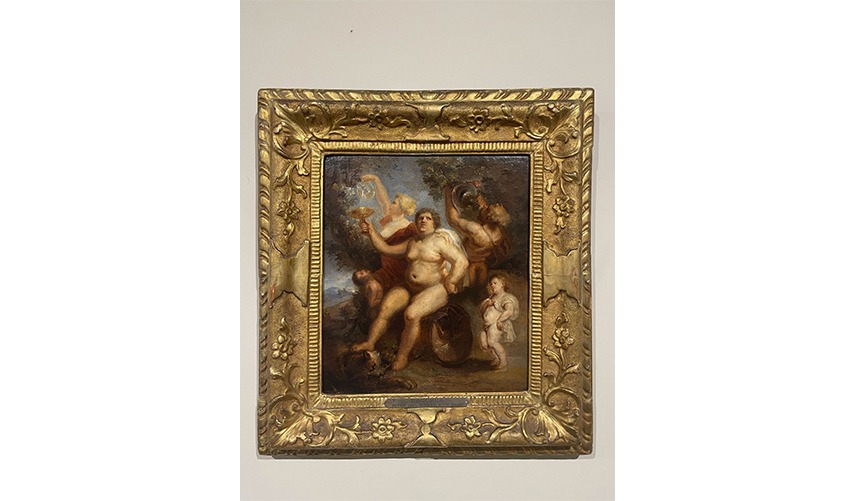
The blockchain industry does not need more speculative tokens. It needs ecosystems that people genuinely use.
That is what makes Artenis worth watching.
Not because it introduces another digital asset, but because it is attempting something much larger: building a programmable infrastructure for how culture may eventually be accessed, experienced, and monetized in a digital-first world.
Whether GMA can fully deliver on that vision remains uncertain.
But if it succeeds, Artenis may end up being remembered less as a token launch and more as an infrastructure project.
Also Read:-
Bala Sathyanarayanan: Purpose-Driven Growth Leader
Magda Khalid Abdel Nasser on Salamty App Innovation
Elizabeth Edwards: Redefining AI-Era Communication