Early Life and Educational Foundation
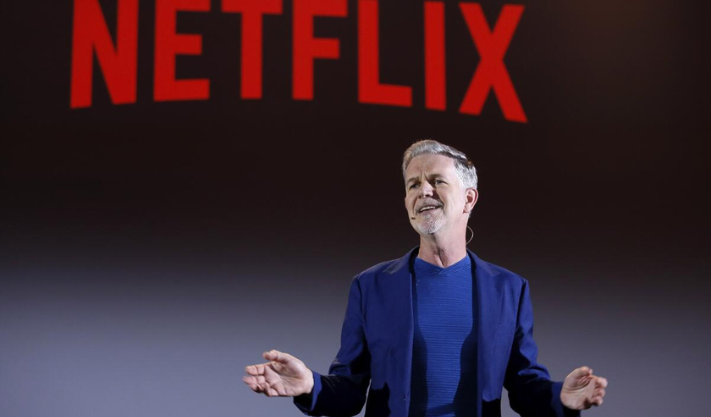
Reed Hastings is widely recognized as one of the most influential entrepreneurs in modern business history. Best known as the co-founder and former CEO of Netflix, Hastings transformed the entertainment industry by challenging traditional television and movie distribution models. Born on October 8, 1960, in Boston, he developed an early interest in mathematics, problem-solving, and technology. His academic journey led him to study mathematics at Bowdoin College, where he earned a degree that would later help shape his analytical approach to business and innovation.
After graduation, Hastings joined the Peace Corps and spent time teaching mathematics in Swaziland, now known as Eswatini. This experience had a profound impact on his leadership philosophy. It taught him resilience, adaptability, and the importance of empowering individuals to solve problems independently. These principles would become central to his management style in the years ahead.
The Entrepreneurial Journey Begins
Before creating Netflix, Hastings founded a software company called Pure Software in 1991. The company specialized in software debugging tools and quickly achieved significant success. As the organization grew, Hastings gained valuable experience in managing teams, scaling operations, and navigating the challenges of rapid business expansion.
Pure Software eventually went public and was later acquired by another technology firm. While the outcome was financially rewarding, Hastings reflected on the difficulties of managing a large organization. He recognized the importance of building a company culture that encouraged freedom, accountability, and innovation. These lessons would later become foundational elements of Netflix’s success.
The Birth of Netflix
In 1997, Reed Hastings co-founded Netflix alongside Marc Randolph. At the time, the home entertainment industry was dominated by video rental stores, particularly Blockbuster. Customers were required to visit physical locations, and late fees often created frustration.
Netflix introduced a different model. Initially, the company allowed customers to rent DVDs through the mail. Subscribers could order movies online and receive them directly at home. The concept offered convenience, flexibility, and a superior customer experience. As internet adoption expanded and technology improved, Hastings recognized that streaming represented the future of entertainment.
This willingness to disrupt his own business became one of his defining characteristics. Rather than protecting the DVD-by-mail model, he aggressively invested in streaming technology, even when it appeared risky. The decision ultimately transformed Netflix into a global entertainment powerhouse.
Revolutionizing the Entertainment Industry
Under Hastings’ leadership, Netflix evolved from a DVD rental service into one of the world’s largest streaming platforms. The company fundamentally changed how audiences consume content. Viewers no longer needed to follow television schedules or purchase physical media. Instead, they gained instant access to vast libraries of movies, documentaries, and television shows.
Netflix also pioneered the concept of binge-watching by releasing entire seasons of shows simultaneously. This strategy reshaped audience behavior and influenced the broader entertainment landscape. Traditional media companies eventually adopted similar approaches as consumer preferences shifted toward on-demand viewing.
Perhaps even more significant was Netflix’s investment in original programming. Productions such as House of Cards, Stranger Things, and The Crown demonstrated that streaming platforms could create world-class content. These successes positioned Netflix as both a technology company and a major entertainment studio.
Leadership Philosophy and Company Culture
One of Reed Hastings’ most influential contributions extends beyond technology and entertainment. He became known for developing a distinctive management philosophy centered on trust, transparency, and personal responsibility.
Netflix’s culture encourages employees to make decisions independently while maintaining high performance standards. Hastings famously advocated for giving talented individuals significant freedom rather than imposing excessive rules and bureaucracy. This philosophy was detailed in the widely discussed Netflix Culture Deck, which became a reference point for leaders and entrepreneurs around the world.
The concept of “freedom and responsibility” became a hallmark of Netflix’s organizational approach. Employees were encouraged to think like owners, take calculated risks, and focus on delivering exceptional results. Hastings believed that empowering capable people often produced better outcomes than relying on rigid management structures.
Expanding Global Reach
Under Hastings’ guidance, Netflix expanded far beyond the United States. The company entered markets across Europe, Asia, Latin America, and Africa, eventually serving hundreds of millions of subscribers worldwide. This global strategy required significant investment in localized content and international production partnerships.
Netflix began producing shows and films in multiple languages, recognizing that compelling storytelling transcends borders. International hits demonstrated the effectiveness of this approach and highlighted the growing importance of global audiences in the streaming era.
By embracing cultural diversity and investing in regional creators, Hastings helped establish Netflix as a truly international entertainment brand. The company’s global footprint became one of its greatest competitive advantages.
Challenges and Adaptation
Despite remarkable success, Reed Hastings’ journey was not without challenges. Netflix faced intense competition from major media and technology companies entering the streaming market. Organizations launched their own platforms and invested billions in content creation.
Hastings responded by continuing to innovate and adapt. He emphasized data-driven decision-making, technological advancement, and strategic investment in original content. His ability to anticipate industry trends and evolve the company’s business model played a crucial role in maintaining Netflix’s leadership position.
The streaming landscape became increasingly crowded, yet Netflix remained a dominant force due to its strong brand, extensive content library, and commitment to innovation.
Legacy and Lasting Impact
Reed Hastings is widely regarded as one of the most transformative business leaders of the digital age. His vision reshaped entertainment, influenced corporate culture, and demonstrated the power of technological disruption. Through Netflix, he changed how billions of people access and enjoy content, creating a new standard for convenience and personalization.
Beyond business, Hastings has supported educational initiatives, philanthropy, and efforts to improve learning opportunities. His commitment to innovation extends beyond entertainment, reflecting a broader belief in empowering individuals and institutions to reach their full potential.
Today, Reed Hastings stands as a symbol of entrepreneurial courage and long-term thinking. His willingness to challenge established industries, embrace change, and prioritize innovation has left a lasting mark on global business. The story of Reed Hastings serves as a powerful reminder that transformative success often comes from questioning conventional wisdom and having the confidence to build something entirely new.
Also Read:-
Mark Zuckerberg: Visionary Behind Social Connectivity
Mary Barra: Driving the Future of Global Mobility
Brian Chesky: The Visionary Entrepreneur Who Revolutionized Modern Travel