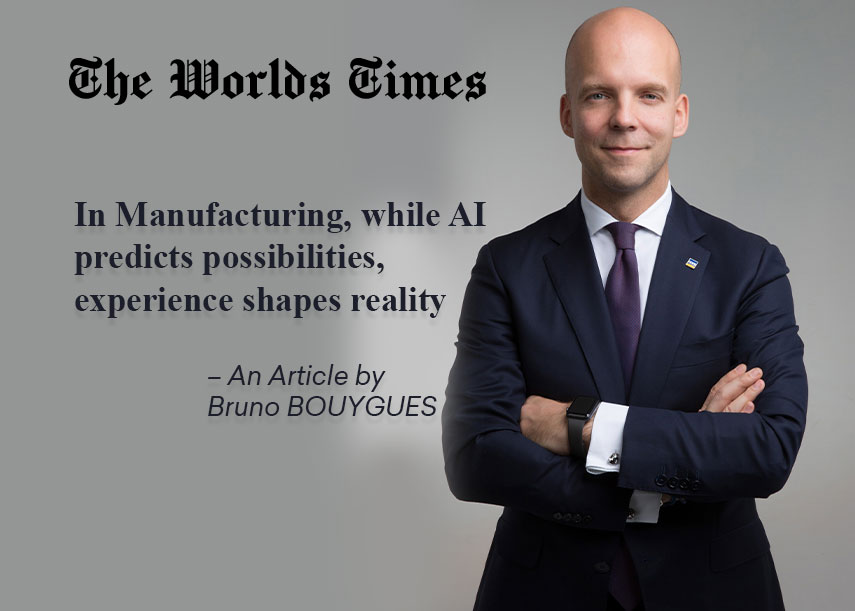
– An Article by Bruno BOUYGUES
Artificial intelligence is the talk of the town. Not a week goes by without being questioned about our “AI strategy.” Yet, by focusing so much on the tool itself, we end up forgetting what truly matters: what genuinely creates value for a manufacturing company is not AI per se, but the expert system it has patiently built, maintained, and evolved with its entire workforce. As the CEO of a French industrial group specializing in the design and manufacturing of machines for metalworking and battery charging, I see every day how this distinction goes far beyond a mere semantic debate.
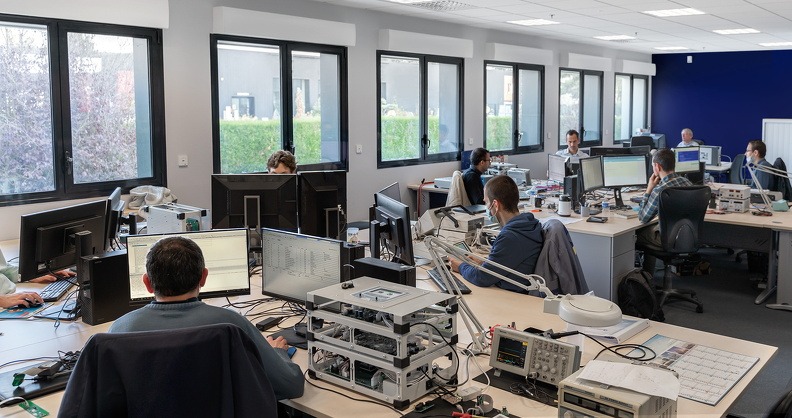
Let’s run a simple test. Take the most advanced AI model on the market. Ask it to configure a welding machine for a high-yield-strength steel assembly, in a vertical-up position, on an offshore construction site subject to EN 1090 certification requirements. The answer will be, today, unusable. Not because the technology is flawed, but because it lacks what only a manufacturer can provide: domain knowledge, forged through experience. Because while AI predicts possibilities, only experience shapes reality.
An expert system is precisely that layer of specialized intelligence, the translation of thousands of configurations tested in the lab and in the field, of fine correlations between machine parameters and metallurgical outcomes, of accumulated feedback across dozens of markets with radically different climatic and regulatory conditions. This knowledge cannot be downloaded. It is built patiently, test after test, year after year.
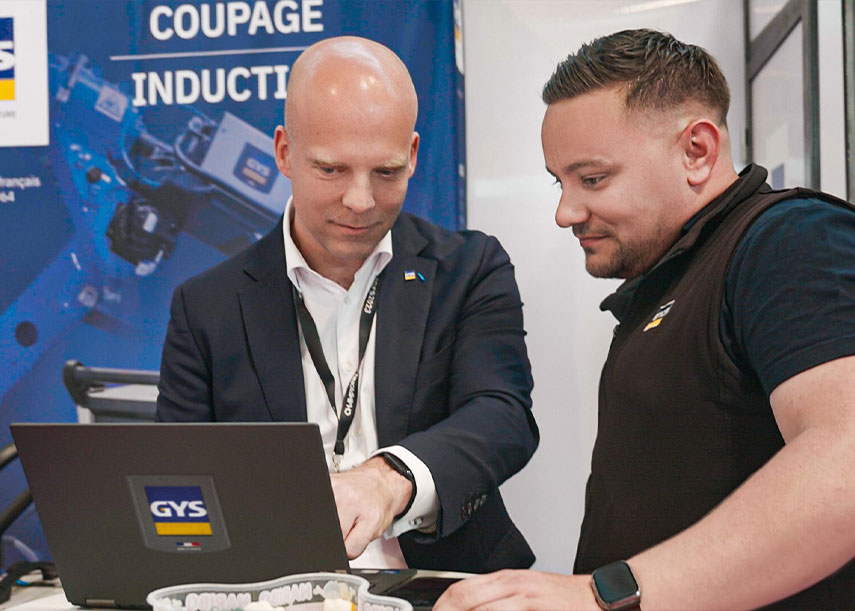
The temptation, for an industrial leader, is to treat AI as an end in itself. Spectacular announcements, media pressure, and investor expectations push toward the rapid adoption of generalist AI tools, sometimes at the expense of strategic thinking. I think we must resist this bias. The posture that creates lasting value in manufacturing is not that of the most agile user of the latest trending technology: it is that of the producer of structured knowledge. In our industry, this legacy has been enriched over decades. Every product developed, every customer feedback analyzed, every R&D test conducted feeds a knowledge base whose value is, by nature, cumulative and therefore growing. It is a sedimentation of collective intelligence that transforms raw data into a strategic intangible asset. To truly specialize a model in any industrial domain – in our case, materials science, metallurgy, or physics – requires an immense human effort of data collection, validation, and strategic framing that technology alone can never replace.
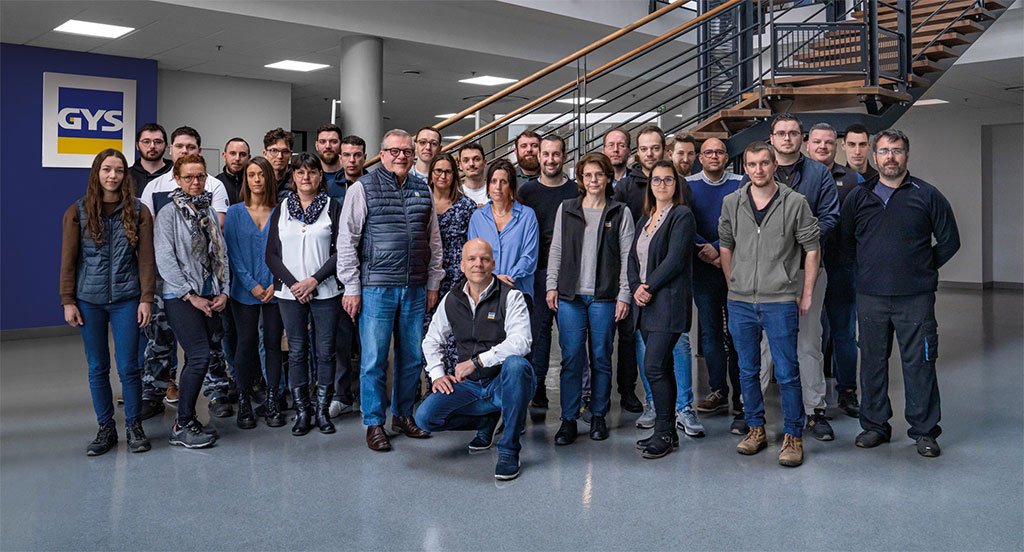
AI is undeniably a remarkable accelerator, a vector for spreading and democratizing expertise. It can make every expert more efficient, more autonomous, more inventive within their layer of competence. But an industrial company is not merely a collection of soloists: it is an orchestra. And what makes the difference day after day is not only the individual virtuosity of each musician, it is above all the quality of the score, the one that organizes, prioritizes, and orients all technological and industrial knowledge toward a coherent and innovative product.
Let us not confuse the vehicle with the fuel. The true engine of value creation in manufacturing is a proprietary expert system, nourished by domain knowledge patiently validated over many years, designed to evolve, and difficult to replicate. In manufacturing, it is not the one who adopts AI fastest who wins. It is the one who has built and sustains over time an expert system to collect and structure unique domain knowledge and expertise that generalist AI alone will never be able to generate, but upon which some specialized AI dedicated to clearly identified topics of the organization can help accelerate.
Connect with Bruno Bouygues on LinkedIn
For more information visit GYS France
Published: 2nd March 2026
For more such articles, please follow us on Twitter, Linkedin & Instagram
Also Read:
Barbara Weiland supports senior managers and entrepreneurs
How to Know If Your Business Is Ready to Sell
Startup Focus: Hard to Define, Easy to Lose