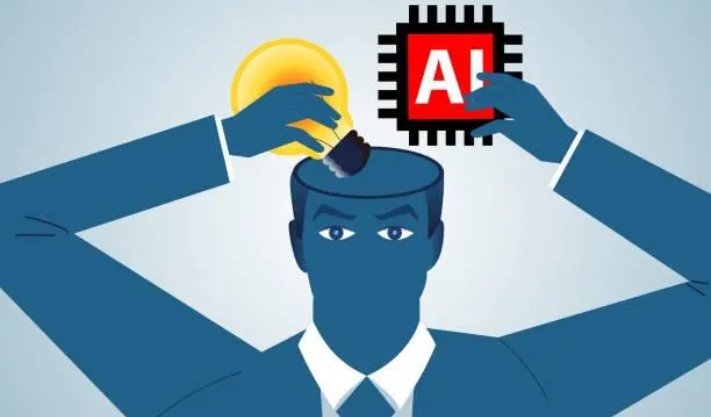
From Layoffs to Opportunity: AI Fuels Entrepreneurship
The global workforce is undergoing a profound transformation, one that is reshaping not only how people work but also how they define success and stability. In recent years, layoffs across industries—from tech giants to traditional sectors—have created uncertainty for millions. Yet, within this disruption lies an unexpected catalyst: artificial intelligence. Rather than simply replacing jobs, AI is opening new doors, enabling individuals to transition from employees to entrepreneurs with unprecedented speed and accessibility. What once required significant capital, technical expertise, and infrastructure can now be achieved with a laptop, an internet connection, and the willingness to adapt.
The Shift from Job Security to Skill Agility
For decades, job security was tied to long-term employment within a single organization. Today, that model is fading. Layoffs, once seen as career-ending setbacks, are increasingly becoming pivot points. AI tools are accelerating this shift by empowering individuals to monetize their skills independently. Whether it’s content creation, software development, marketing, or consulting, AI platforms can augment human capabilities, allowing individuals to produce more with fewer resources. This shift emphasizes skill agility over job stability—those who can learn, adapt, and apply AI tools effectively are finding themselves at an advantage.
AI as a Co-Founder, Not a Competitor
One of the most significant misconceptions about AI is that it replaces human effort entirely. In reality, AI acts more like a co-founder than a competitor. Entrepreneurs are leveraging AI to handle repetitive and time-consuming tasks such as data analysis, customer support, content generation, and even product design. This allows them to focus on strategic thinking, creativity, and decision-making—the areas where human input remains irreplaceable. A solo entrepreneur today can operate with the efficiency of an entire team, thanks to AI-driven automation and assistance.
Lowering Barriers to Entry
Historically, starting a business required substantial upfront investment, access to networks, and specialized knowledge. AI has dramatically lowered these barriers. Tools for website creation, graphic design, coding, and marketing are now accessible to beginners. Individuals without formal training can launch e-commerce stores, develop digital products, or offer freelance services with minimal cost. AI-powered platforms provide guidance, suggestions, and even complete workflows, enabling users to move from idea to execution in a fraction of the time it once took.
The Rise of the Solopreneur Economy
As AI continues to democratize access to business tools, the rise of the solopreneur is becoming a defining trend. These are individuals who build and scale businesses independently, often without hiring large teams. AI enables them to manage operations, marketing, customer engagement, and product development efficiently. This model not only reduces overhead costs but also offers greater flexibility and control. For many who have experienced layoffs, solopreneurship provides a sense of ownership and resilience that traditional employment may not offer.
Reskilling and Reinvention
Layoffs often force individuals to reassess their skills and career paths. AI is playing a crucial role in this reinvention process. Online learning platforms, powered by AI, offer personalized learning experiences, helping users acquire new skills quickly. From learning how to code to mastering digital marketing strategies, individuals can reskill at their own pace. More importantly, AI tools themselves are becoming easier to use, reducing the technical barrier and making them accessible to non-experts. This creates a cycle of continuous learning and application, where individuals can quickly turn new skills into income-generating opportunities.
Creative Freedom and Innovation
AI is not just about efficiency—it’s also a powerful tool for creativity. Writers, designers, musicians, and artists are using AI to experiment, prototype, and refine their work. This creative augmentation allows individuals to explore ideas that may have been limited by time, resources, or technical skill. As a result, innovation is no longer confined to large organizations with dedicated R&D departments. Independent creators can now compete on a global scale, bringing unique products and services to market faster than ever before.
Challenges and Ethical Considerations
While the opportunities are significant, this shift is not without challenges. The rapid adoption of AI raises questions about data privacy, intellectual property, and the long-term sustainability of AI-driven businesses. Additionally, not everyone has equal access to the tools and education needed to benefit from this transformation. There is also the risk of market saturation, as more individuals enter the entrepreneurial space. To navigate these challenges, individuals must focus on building authentic value, maintaining ethical practices, and continuously differentiating themselves in a competitive landscape.
The Role of Mindset in the Transition
Perhaps the most critical factor in this transformation is mindset. Moving from a traditional employee role to an entrepreneurial one requires a shift in thinking. It involves embracing uncertainty, taking calculated risks, and being open to failure as part of the learning process. AI can provide the tools and support, but it is the individual’s mindset that determines success. Those who view layoffs not as an end but as a beginning are more likely to leverage AI effectively and create sustainable ventures.
A New Definition of Work
As AI continues to evolve, it is redefining what work means in the modern world. The lines between employment and entrepreneurship are becoming increasingly blurred. Individuals are no longer limited to a single career path; instead, they can build multiple income streams, explore diverse interests, and create work that aligns with their passions. This flexibility is reshaping the workforce into a more dynamic and decentralized ecosystem.
Conclusion: Turning Disruption into Opportunity
The narrative around layoffs is changing. What was once a symbol of instability is now, for many, a gateway to independence and innovation. AI is at the heart of this transformation, providing the tools and capabilities needed to turn challenges into opportunities. While the journey from layoffs to entrepreneurship is not without obstacles, it offers a path toward greater autonomy, creativity, and resilience. In this new era, success is not defined by job titles or corporate hierarchies, but by the ability to adapt, create, and thrive in an ever-changing landscape.
Also Read:-
Human-centered leadership drives better patient care
6 U.S. Cities Offering Incentives to Relocate in 2026
Leadership Strategies for a Workforce That’s Always on the Move