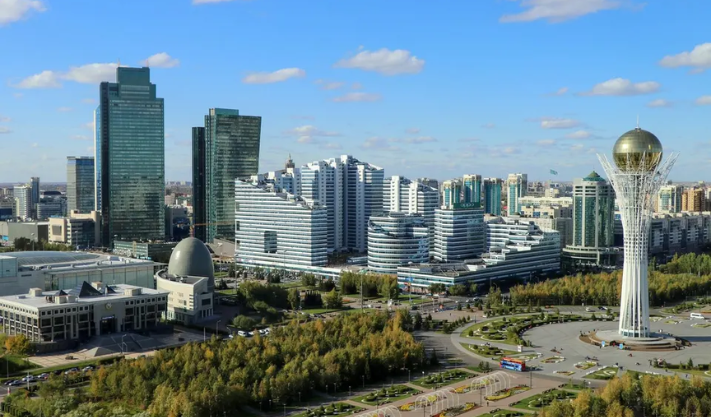
How Central Asia Is Building a New Framework for Global Capital
Central Asia is undergoing a profound transformation, emerging as a strategic hub for global investment and economic connectivity. Once perceived primarily through the lens of its natural resources and geographic isolation, the region is now redefining itself as a dynamic corridor linking major markets across Europe, Asia, and the Middle East. Countries such as Kazakhstan, Uzbekistan, Kyrgyzstan, Tajikistan, and Turkmenistan are actively reshaping their economic landscapes, investing in infrastructure, reforming policies, and positioning themselves as attractive destinations for global capital. This shift is not accidental—it is the result of deliberate strategies aimed at integrating the region into the global financial and trade ecosystem.
A Strategic Geographic Advantage
Central Asia’s geographic location has always been one of its greatest assets. Situated at the crossroads of major economic powers, the region serves as a natural bridge between East and West. Historically, it played a central role in the Silk Road, facilitating trade and cultural exchange across continents. Today, this legacy is being revived through modern infrastructure projects that aim to reconnect these ancient routes. Railways, highways, and logistics hubs are being developed to streamline the movement of goods and capital, reducing transit times and costs. As global supply chains evolve, Central Asia’s position is becoming increasingly valuable.
Infrastructure as the Foundation of Growth
At the heart of this transformation is a strong focus on infrastructure development. Governments across the region are investing heavily in transportation networks, energy systems, and digital connectivity. These projects are designed not only to improve domestic efficiency but also to attract international investors seeking reliable and efficient routes for trade and commerce. Large-scale initiatives, often supported by international partnerships, are creating new economic corridors that link Central Asia to global markets. The emphasis on infrastructure is laying the groundwork for sustainable growth and long-term economic resilience.
Economic Reforms and Policy Shifts
In addition to physical infrastructure, Central Asian countries are implementing significant economic reforms to create a more investor-friendly environment. Regulatory frameworks are being updated to enhance transparency, reduce bureaucracy, and protect investor rights. Tax incentives, special economic zones, and streamlined business registration processes are being introduced to encourage foreign direct investment. These policy shifts signal a clear commitment to economic modernization and integration. By aligning their systems with international standards, these nations are building trust and credibility among global investors.
Diversification Beyond Natural Resources
While Central Asia has traditionally relied on natural resources such as oil, gas, and minerals, there is a growing emphasis on diversification. Governments are actively promoting sectors such as manufacturing, agriculture, technology, and renewable energy. This diversification is crucial for reducing economic volatility and creating more balanced growth. By expanding into new industries, the region is opening up a wider range of investment opportunities. This shift also aligns with global trends toward sustainability and innovation, making Central Asia more relevant in the modern economic landscape.
The Rise of Regional Cooperation
Another key factor driving this transformation is increased regional cooperation. Central Asian countries are recognizing the benefits of working together to address common challenges and leverage shared opportunities. Collaborative initiatives are being developed to harmonize trade policies, improve cross-border connectivity, and enhance economic integration. This spirit of cooperation is helping to create a more cohesive and attractive investment environment. By presenting a unified front, the region can better compete for global capital and position itself as a stable and reliable partner.
Attracting Global Investors
Central Asia’s efforts are beginning to yield tangible results, with increasing interest from international investors. Sovereign wealth funds, multinational corporations, and development institutions are exploring opportunities in the region. Infrastructure projects, in particular, are attracting significant funding due to their potential for long-term returns. Additionally, the region’s young and growing population offers a promising labor force, further enhancing its appeal. As investor confidence grows, Central Asia is gradually establishing itself as a viable destination for global capital.
Challenges on the Path Forward
Despite the progress, challenges remain. Political and economic stability varies across the region, and there are still concerns about governance, transparency, and regulatory consistency. Infrastructure projects, while ambitious, require substantial funding and careful execution. Additionally, global economic uncertainties can impact investment flows and trade dynamics. Addressing these challenges will be critical for sustaining momentum and ensuring that the benefits of growth are widely shared. Continued commitment to reform and collaboration will be essential in overcoming these obstacles.
The Role of Technology and Innovation
Technology is playing an increasingly important role in Central Asia’s transformation. Digital infrastructure, including broadband networks and fintech solutions, is enabling new forms of economic activity. Governments are investing in innovation hubs and startup ecosystems to foster entrepreneurship and attract tech-driven investment. These initiatives are helping to modernize economies and create new avenues for growth. By embracing technology, Central Asia is not only enhancing its competitiveness but also positioning itself at the forefront of emerging global trends.
A Vision for the Future
The vision for Central Asia extends beyond immediate economic gains. The region aims to become a key player in the global economy, contributing to trade, investment, and innovation on a larger scale. This vision is supported by long-term strategies that prioritize sustainability, inclusivity, and resilience. By building a robust infrastructure and policy framework, Central Asia is laying the foundation for a future where it is fully integrated into the global financial system. This transformation has the potential to reshape the region’s identity and influence its role on the world stage.
Conclusion: A New Era of Opportunity
Central Asia’s journey toward becoming a hub for global capital is a testament to the power of strategic planning and collaboration. By leveraging its geographic advantages, investing in infrastructure, and embracing reform, the region is creating a new framework for economic growth. While challenges remain, the progress made so far is encouraging. For investors, policymakers, and businesses, Central Asia represents a landscape of emerging opportunities. As the region continues to evolve, it is poised to play an increasingly important role in the global economy, bridging markets and driving innovation in ways that were once unimaginable.
Also Read:-
6 U.S. Cities Offering Incentives to Relocate in 2026
Leadership Strategies for a Workforce That’s Always on the Move
Top 3 Priorities for Small Businesses in 2026