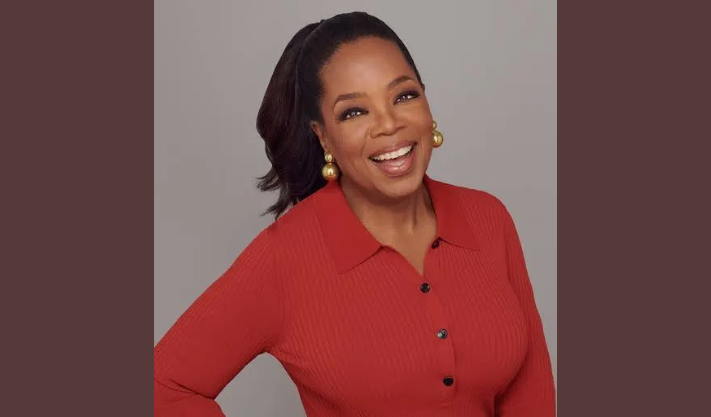
Few figures in modern media have shaped culture, conversation, and commerce like Oprah Winfrey. More than a television host, she is a producer, actress, entrepreneur, philanthropist, and cultural force whose influence spans decades. Her journey—from poverty in rural Mississippi to becoming one of the most powerful women in the world—embodies resilience, reinvention, and visionary leadership.
Early Life and Formative Years
Born in 1954 in Kosciusko, Mississippi, Oprah Gail Winfrey grew up amid poverty and instability. Raised primarily by her grandmother in her early years, she learned to read at a young age and displayed a gift for public speaking. Despite experiencing significant hardship and trauma during her adolescence, she excelled academically and earned a scholarship to Tennessee State University.
Her early exposure to radio and local television broadcasting in Nashville revealed both her natural charisma and emotional intelligence. Even as a young reporter, she demonstrated a rare ability to connect with audiences—not through polished detachment, but through empathy and authenticity.
The Breakthrough: The Oprah Winfrey Show
In 1986, The Oprah Winfrey Show debuted nationally, transforming daytime television. Unlike traditional talk shows that leaned heavily into sensationalism, Oprah’s program balanced entertainment with emotional depth and social relevance. She tackled topics ranging from relationships and health to race, spirituality, and personal growth.
Over 25 seasons, the show became the highest-rated talk show in American television history. It earned dozens of awards and reached millions of viewers daily across the globe. More importantly, it created a new format for daytime programming—one centered on vulnerability, self-improvement, and meaningful dialogue.
Oprah’s interviewing style set her apart. She listened intently. She shared her own experiences. She gave guests space to tell their stories. In doing so, she built trust with viewers and created what many described as a “community” rather than an audience.
Building a Media Empire
While her on-screen presence defined her public image, Oprah’s true impact lies in her business acumen. In 1986, she founded Harpo Productions, gaining ownership of her show—a rare move for a television host at the time. That decision shifted her from employee to media mogul.
Through Harpo, she produced films, television programs, and content that extended her brand far beyond daytime TV. In 2011, she launched the Oprah Winfrey Network (OWN), a cable channel focused on inspirational and lifestyle programming. Although the network faced early financial struggles, it eventually found stability and profitability, further cementing her reputation as a strategic entrepreneur.
Her brand expanded into publishing with O, The Oprah Magazine, as well as digital platforms and partnerships. Each venture reflected her core message: personal empowerment, self-discovery, and transformation.
Cultural Influence and the “Oprah Effect”
Oprah’s influence transcended media metrics. Her book club selections routinely became bestsellers, demonstrating what came to be known as the “Oprah Effect.” Authors saw unknown titles catapulted to international prominence after appearing on her platform.
Her endorsements carried extraordinary weight. Products she recommended often sold out within hours. Political interviews shaped national conversations. When she spoke, audiences listened—not because of spectacle, but because of trust.
Her 2018 speech at the Golden Globe Awards, where she addressed themes of justice, equality, and truth, sparked widespread discussion about leadership and social responsibility. It reinforced her role not just as an entertainer, but as a moral voice in American culture.
Philanthropy and Social Impact
Beyond business success, Oprah has committed substantial resources to philanthropy. She has donated hundreds of millions of dollars to educational initiatives, disaster relief, and community programs. One of her most significant projects is the Oprah Winfrey Leadership Academy for Girls in South Africa, founded in 2007.
The academy reflects her belief in education as a pathway to empowerment. By investing in young women’s leadership development, she has sought to create generational impact rather than temporary relief.
Her philanthropic philosophy mirrors her broader brand: sustainable change through personal growth and opportunity.
Leadership Lessons from Oprah’s Journey
Oprah’s career offers several leadership insights:
Authenticity Builds Trust. She succeeded by being genuine, sharing vulnerabilities, and fostering emotional connection.
Ownership Creates Power. By owning her production company, she controlled her narrative and revenue streams.
Adaptability Sustains Relevance. From television to digital platforms, she continuously evolved with changing media landscapes.
Purpose Drives Longevity. Her consistent focus on empowerment provided a unifying thread across all ventures.
These principles allowed her to navigate setbacks, including early career criticism and network challenges, without losing strategic direction.
Reinvention in a Changing Media Landscape
After ending her iconic talk show in 2011, Oprah did not retreat from the public sphere. Instead, she repositioned herself. She focused on long-form interviews, partnerships with streaming platforms, and curated storytelling projects that aligned with her values.
In an era of fragmented media consumption, she maintained influence by emphasizing quality over quantity. Her interviews—whether with political leaders, celebrities, or cultural figures—continue to generate global attention.
Reinvention, for Oprah, has never meant abandoning her identity. It has meant refining it.
A Legacy Beyond Television
Oprah Winfrey’s legacy cannot be measured solely by ratings or revenue. She changed how media engages with emotion, vulnerability, and personal growth. She proved that empathy can be commercially viable and that influence can be wielded with intention.
Her story resonates because it reflects transformation—not just personal ascent, but the ability to elevate others along the way. She redefined what it means to be a media leader, blending storytelling with entrepreneurship and philanthropy.
From a small-town childhood marked by hardship to global recognition as a cultural icon, Oprah Winfrey’s life demonstrates the power of resilience, strategic vision, and unwavering belief in human potential.
Her impact endures not simply because she built a successful career—but because she built a platform that empowered millions to believe in their own possibilities.
For more such articles, please follow us on Twitter, Linkedin & Instagram
Also Read:
Gail Boudreaux reshaping healthcare leadership today
Jane Fraser: Transforming Citigroup for a New Era of Global Banking
Ana Patricia Botín Leading Global Banking Change