Tim Cook – CEO, Apple: Steering a Global Tech Titan into the Future
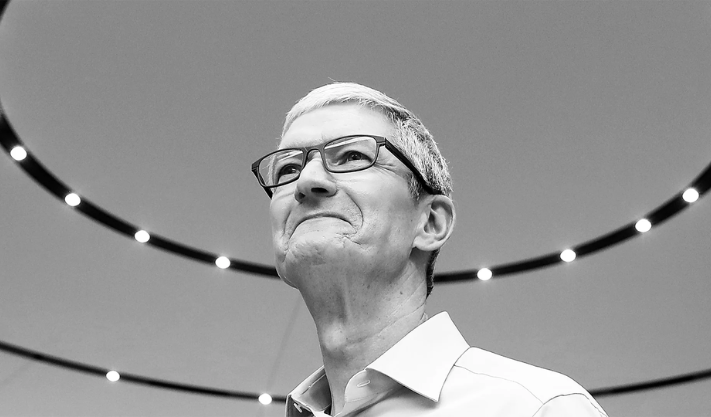
Tim Cook is one of the most influential business leaders in the world, renowned for his strategic vision, operational expertise, and steady leadership. As the CEO of Apple Inc., a position he assumed in August 2011 following the legendary Steve Jobs, Cook has guided the company through a period of remarkable growth, innovation, and global expansion. Under his stewardship, Apple has not only maintained its reputation for groundbreaking products but has also become the world’s most valuable publicly traded company, reshaping the tech landscape and setting new standards for corporate responsibility.
Early Life and Career Beginnings
Timothy Donald Cook was born on November 1, 1960, in Mobile, Alabama, and raised in nearby Robertsdale. He grew up in a modest family; his father worked as a shipyard worker and his mother as a homemaker. Cook showed an early aptitude for problem-solving and a disciplined work ethic, traits that would define his future career.
He earned a Bachelor of Science in Industrial Engineering from Auburn University in 1982 and later obtained an MBA from Duke University’s Fuqua School of Business in 1988. His early career included positions at IBM, Intelligent Electronics, and Compaq, where he developed deep expertise in operations, supply chain management, and corporate strategy. This operational foundation would become critical to his later success at Apple.
Joining Apple and the Path to Leadership
Tim Cook joined Apple in 1998 as Senior Vice President for Worldwide Operations. At the time, the company was recovering from financial difficulties and restructuring under Steve Jobs’ return. Cook quickly made a significant impact, streamlining Apple’s supply chain, reducing inventory levels, and improving efficiency across manufacturing and logistics. His operational acumen helped Apple achieve higher profit margins and positioned the company for global growth.
Cook’s reputation as a meticulous, results-driven leader earned him the role of Chief Operating Officer (COO) and, eventually, Steve Jobs’ successor. In August 2011, following Jobs’ resignation due to health issues, Tim Cook became CEO. Taking over a company led by an iconic visionary posed enormous challenges, but Cook’s calm, analytical approach provided stability and continuity during a critical period.
Leadership Style and Philosophy
Unlike his predecessor, who was known for bold product vision and charisma, Tim Cook’s leadership style emphasizes operational excellence, strategic planning, and ethical governance. Cook is known for his calm demeanor, attention to detail, and focus on long-term growth rather than short-term gains.
Under Cook, Apple has continued to innovate while expanding its footprint in both hardware and services. He believes in incremental but consistent improvement, empowering teams to deliver excellence without the need for constant high-drama interventions. This leadership style has helped Apple maintain a culture of innovation while scaling its operations globally.
Expanding Apple’s Product Ecosystem
Tim Cook’s tenure has seen Apple diversify and expand its product and service offerings. While the iPhone remains the flagship product, Cook has overseen the growth of several other successful lines:
- iPad: Continued evolution and market leadership in tablets.
- Apple Watch: Establishing Apple as a leader in wearable technology.
- Mac Computers: Modernization with custom M1 and M2 chips, increasing performance and efficiency.
- Services: Expansion into Apple Music, Apple TV+, iCloud, and Apple Pay, creating recurring revenue streams.
Cook has also emphasized integration within Apple’s ecosystem, creating a seamless experience across devices and services that enhances customer loyalty and drives brand value. Under his leadership, Apple has maintained its status as a premium brand while exploring new avenues for growth, including augmented reality (AR) and artificial intelligence (AI) applications.
Financial Achievements and Market Leadership
Under Tim Cook, Apple achieved unprecedented financial milestones. In 2018, Apple became the first publicly traded U.S. company to reach a $1 trillion market capitalization, and by 2023, it surpassed $3 trillion in valuation. Cook’s focus on operational efficiency, global expansion, and diversified revenue streams has fueled these achievements, making Apple not only the most valuable tech company but also a symbol of financial and strategic excellence.
Cook’s emphasis on shareholder value is balanced by a commitment to employees, corporate responsibility, and long-term sustainability. He has implemented stock buyback programs, expanded dividends, and managed Apple’s global operations to maximize profitability while investing in research, development, and social initiatives.
Commitment to Social Responsibility
Tim Cook has distinguished himself from many corporate leaders through his strong commitment to ethics, diversity, and social responsibility. He has been an outspoken advocate for privacy, emphasizing Apple’s stance on user data protection and security.
Cook has also championed environmental sustainability, committing Apple to 100% renewable energy across all facilities, reducing carbon emissions, and ensuring responsible sourcing of materials. He has pushed for greater diversity and inclusion within the company, advocating for equal pay, expanded hiring practices, and social equity initiatives.
Additionally, Cook is openly gay, making him one of the few openly LGBTQ+ leaders of a Fortune 500 company, and he has used his platform to support civil rights, equality, and broader societal change.
Challenges and Criticisms
Despite his successes, Cook has faced challenges and criticism. Some industry observers argue that Apple’s innovation under Cook has been incremental rather than revolutionary compared to the transformative products introduced under Steve Jobs. Critics point to slower adoption of emerging technologies and reliance on the iPhone for the majority of revenue.
Additionally, Apple has faced scrutiny over labor practices in overseas manufacturing, antitrust concerns, and regulatory pressures regarding App Store policies. Cook has responded with public commitments to improving working conditions, enhancing transparency, and navigating complex legal landscapes to protect Apple’s interests while adhering to ethical standards.
Global Influence and Legacy
Tim Cook’s influence extends beyond Apple. As a global business leader, he participates in discussions about technology policy, trade, and corporate governance. He serves as a role model for ethical leadership, demonstrating that operational rigor, social responsibility, and financial performance can coexist.
Cook’s legacy is likely to be defined by his ability to sustain Apple’s dominance in a hyper-competitive market while guiding the company toward new technologies and socially responsible practices. He has shown that leadership is not only about innovation but also about resilience, adaptability, and the capacity to inspire employees, shareholders, and society at large.
Conclusion
Tim Cook has transformed Apple into a global powerhouse, balancing operational excellence with innovation, financial growth, and social responsibility. Under his leadership, the company has maintained its iconic status, expanded its product and service ecosystem, and achieved historic financial milestones. Cook’s steady, ethical, and strategic approach has earned him a place among the world’s most powerful and respected CEOs.
In a rapidly evolving technological landscape, Tim Cook’s leadership ensures that Apple remains at the forefront of innovation, sustainability, and global influence. His story demonstrates that success in business requires not only vision but also meticulous execution, resilience, and a commitment to values—a legacy that will endure long into the future.
Also Read:-
15 Valuable Assets That Can Boost Your Business Worth
Google AI Overviews Are Eating Your Website Traffic
Elon Musk: Driving the Future of Tech & Space