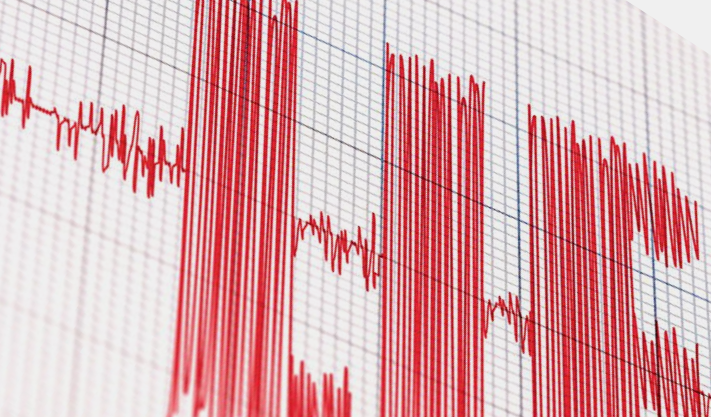
San Francisco experienced a powerful earthquake today, sending shockwaves across the Bay Area and leaving residents on high alert. According to early reports from the United States Geological Survey (USGS), the quake struck in the late morning hours, with a preliminary magnitude of magnitude 4.3. The tremors were felt widely across San Francisco, Oakland, San Jose, and neighboring cities, causing momentary panic as people rushed to safety.
Immediate Impact
The earthquake shook buildings, disrupted traffic, and briefly interrupted power in several neighborhoods. Many residents reported shaking that lasted between 15 to 20 seconds. Public transportation services, including BART trains, were temporarily halted for safety inspections. No major damage has been officially confirmed yet, but local emergency teams are actively assessing structures and public infrastructure.
Businesses and schools across San Francisco activated their emergency protocols. Some offices evacuated staff while precautionary checks were carried out. Social media platforms quickly filled with posts from residents sharing videos and personal experiences of the earthquake.
Emergency Response
The San Francisco Department of Emergency Management (SFDEM) urged residents to remain calm and avoid unnecessary travel until further safety checks are completed. Local authorities also issued alerts about possible aftershocks, which are common following an earthquake of this strength.
Police, fire, and medical teams have been deployed across the city to respond to any incidents. The San Francisco Fire Department confirmed that they have received several calls related to minor injuries, falling objects, and gas leaks, but there are no immediate reports of large-scale damage or casualties.
Live Alerts and Updates
Residents are encouraged to sign up for official earthquake alerts via the ShakeAlert system, which sends real-time warnings directly to smartphones. This system can provide a few seconds of advance notice, giving people a chance to take cover before strong shaking begins.
The USGS Earthquake Hazards Program is also monitoring the situation and will continue updating magnitude details, epicenter location, and potential risks. People are advised to follow updates from trusted sources such as USGS, SFDEM, and local news outlets.
Safety Tips During Earthquakes
Authorities remind everyone in the Bay Area to follow the “Drop, Cover, and Hold On” method during tremors. If indoors, move away from windows, secure yourself under sturdy furniture, and remain there until the shaking stops. If outside, stay clear of tall buildings, streetlights, and power lines.
Residents should also keep emergency kits ready, including water, food, flashlights, and first aid supplies, in case of extended disruptions.
Community Reaction
The earthquake has once again raised concerns about San Francisco’s vulnerability to seismic activity. The city is located near the San Andreas Fault, one of the most active fault lines in the world. Experts have long warned that the Bay Area is overdue for a major quake, and today’s event serves as a stark reminder of the importance of preparedness.
Many community leaders and local organizations are using this moment to promote earthquake safety awareness. Schools are planning emergency drills, while residents are revisiting their home preparedness plans.
Final Word
Today’s San Francisco earthquake highlights the unpredictable nature of seismic events and the importance of staying informed. While initial reports suggest limited damage, aftershocks remain possible in the coming hours and days. Residents are urged to remain cautious, stay tuned to live updates and official alerts, and prioritize safety at all times.
Published: 23th September 2025
For more such articles, please follow us on Twitter, Linkedin & Instagram
Also Read:
How to Use AI to Turn Coaching Calls Into Viral Content
5 Simple AI Techniques to Unlock Data Governance Value Fast
Living Sustainably: Small Changes for a Greener Lifestyle