Introduction: Who Is Satya Nadella?
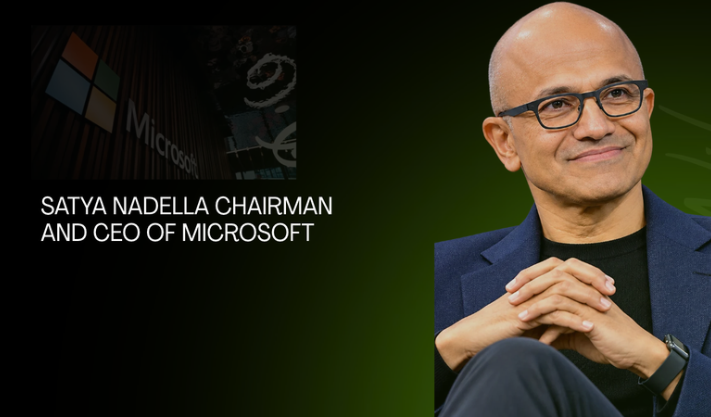
Satya Nadella is an American-Indian business executive. He is the CEO (chief executive officer) and chairman of Microsoft. He is most known for steering one of the world’s most significant technological firms through a period of major upheaval, focusing heavily on cloud computing, artificial intelligence (AI), productivity tools and digital innovation.
Nadella, who has been at the helm of Microsoft since February 2014, has redefined the company’s strategic direction and enhanced its position in the global technology market. Under his leadership, Microsoft has expanded beyond its core software business into areas including cloud infrastructure, enterprise services, AI-enabled applications, cybersecurity, and advanced computing.
Why is Satya Nadella an influential worldwide business leader? His influence derives from his ability to recognise major technology developments and translate them into economic opportunities. He has urged Microsoft to be more collaborative, customer-obsessed and flexible in competing in fast-changing markets.
His career also illustrates how technical competence, business acumen and a learning-oriented leadership mindset may contribute to long-term organisational progress.
Who Is Satya Nadella?
Early Life and Background
Satya Nadella was born on August 19, 1967, in Hyderabad, India. His family emphasised education, curiosity and intellectual development. During his formative years, he developed an interest in technology and cricket, two passions that would impact distinct elements of his personal and professional life.
He started his studies in India and then moved to the United States for higher education. That worldwide exposure gave him a broader perspective on technology, business and the potential of the world.
People often use Nadella’s history as an example of how education, ongoing learning, and international experience can fuel a career in the global tech business.
Satya Nadella’s Educational Background
Engineering Education in India
He earned a bachelor’s degree in electrical engineering from Mangalore University. His engineering background gave him a knowledge base in technological problem-solving, systems and computing-related concepts.
Master’s Degree in Computer Science
He finished his undergraduate education and then relocated to the United States, where he obtained a master’s degree in computer science from the University of Wisconsin–Milwaukee.
This schooling increased his knowledge of software systems, computer technologies, and the technological basis of modern computing.
University of Chicago MBA
Nadella later earned a Master of Business Administration from the University of Chicago Booth School of Business. His technological background was supplemented by a qualification in business strategy, management, finance and organisational leadership.
How did education influence Satya Nadella’s career? His studies in engineering, computer science and business helped him appreciate the technical potential of technology and the commercial choices necessary to bring products and services to market.
How Did Satya Nadella Start His Career?
Early Professional Experience
Before joining Microsoft, Nadella worked at Sun Microsystems, gaining experience in the technology industry. The position provided exposure to enterprise computing and business technology development.
He joined Microsoft in 1992. The company was already a big software business, but the technology industry was starting to see major shifts around the internet, enterprise computers and digital services.
Gaining Knowledge Through Leadership Roles at Microsoft
Nadella performed a number of roles throughout Microsoft’s enterprise and consumer operations. He got into product development, engineering, research and business management.
Later, he was head of research and development for Microsoft’s Online Services Division and vice president of the Microsoft Business Division.
These responsibilities gave him exposure to different aspects of the organisation, from product strategy and engineering to customer requirements and commercial operations.
Head of Microsoft’s Cloud and Enterprise Business
Before becoming CEO, Nadella was executive vice president of Microsoft’s Cloud and Enterprise group.
In that role, he helped lead the company’s shift to cloud infrastructure and services. This experience became even more vital as organisations started migrating their software, databases, applications and computing workloads from traditional systems to cloud platforms.
His efforts in this area helped set him up to manage Microsoft’s larger business transformation.
When Did Satya Nadella Become Microsoft’s CEO?
On February 4, 2014, Satya Nadella became Microsoft’s CEO.
Satya Nadella took over from Steve Ballmer as Microsoft’s chief executive officer on February 4, 2014.
His appointment marked a turning point for Microsoft. The tech world was evolving rapidly, with smartphones, cloud platforms, subscription services and web apps all gaining ground.
Nadella’s knowledge of enterprise technology and cloud computing positioned him well to lead the company’s next growth phase.
He also took up the presidency of Microsoft’s board of directors in June 2021, adding the chairmanship to his CEO duties.
What was his main focus after becoming CEO? He prioritised making Microsoft more flexible and focused on cloud services, cross-platform products, innovation and customer needs.
The Satya Nadella Transformation of Microsoft
Microsoft Azure: The Growth of Cloud Computing
Nadella’s biggest contribution has been to strengthen Microsoft’s business in cloud computing.
Microsoft Azure offers cloud infrastructure, databases, analytics, AI services, security tools and application development capabilities. Businesses utilise these services to run websites, manage information, construct applications, and support their digital operations.
Under Nadella’s leadership, Microsoft has extended its worldwide infrastructure in Azure and built services for organisations across industries.
The development of cloud computing also helped Microsoft create regular income streams through subscriptions and enterprise partnerships.
Bolstering Microsoft’s Enterprise Business
Microsoft has been selling businesses software for a long time. Nadella took this a step further by combining traditional products with cloud-based services.
It works in concert with a larger technological ecosystem for organisations, including Microsoft 365, Dynamics 365, Azure and corporate security technologies.
They assist companies in managing their documents and communications, analysing data, automating processes and securing their networks and IT systems.
Building a More Collaborative Tech Ecosystem
Under Nadella, Microsoft has been urged to cooperate more openly with developers, enterprises, technology partners and other platforms.
This has opened the door for Microsoft to get into open-source software, cross-platform development and partnerships throughout the IT industry.
It has also bolstered its developer ecosystem with tools and services that enable programmers to build applications for multiple contexts.
Growing Through Strategic Acquisitions
Microsoft has also expanded its skills and reached new markets through acquisitions.
He has also overseen landmark purchases, including LinkedIn in 2016 and Activision Blizzard in 2023. The deals added to Microsoft’s footprint in professional networking, gaming, digital content and related services.
The company has grown its business with strategic acquisitions and added products and communities to its larger ecosystem.
What Is Satya Nadella’s Leadership Style?
A Growth Mindset
Nadella talks regularly about the significance of having a growth mentality. The idea inspires people to keep learning, to take on challenges and to develop through experience.
A growth mindset doesn’t see information as fixed. It recognises that individuals and organisations may develop new skills and capabilities.
This idea has become a vital element of the leadership culture that has come to characterise Nadella’s time at Microsoft.
Understanding Customers and Empathy
Nadella has also spotlighted empathy as an attribute of company leadership.
By understanding client difficulties, organisations may build products that answer actual problems. It can also get staff to consider other perspectives while building technology and making judgements.
His technique demonstrates the link between human knowledge and successful innovation.
Team Collaboration
Large tech organisations often have complicated product divisions, departments and worldwide personnel. Nadella’s management philosophy is about collaboration, not internal rivalry for the sake of it.
Working together helps engineering, research, sales, marketing, and customer support teams achieve common corporate goals.
Learning and Flexibility
The tech world is continuously changing. New products, rivals, legislation, and customer expectations can all rapidly change business tactics.
Nadella’s focus on a learning culture means Microsoft is questioning its assumptions, trying new ideas, and adapting its products to shifting market conditions.
Satya Nadella’s Role in Microsoft’s Artificial Intelligence Strategy
Turning AI Into a Core Business Priority
Artificial intelligence has become one of Microsoft’s most strategic areas.
Nadella has extended Microsoft’s investments in AI across cloud infrastructure, research alliances, developer services and AI-powered apps.
The company’s goal is to deliver AI capabilities to software developers and individual users as well as to enterprises.
Microsoft Copilot and Work Productivity
Microsoft Copilot is an essential component of the company’s AI strategy. It introduces AI assistance into the products and services used in regular work.
Depending on the product and subscription, the Copilot capabilities can assist users in producing documents, summarising information, analysing data, making presentations, writing code, and interacting with business material.
The larger purpose is to make AI useful within existing operations, rather than seeing it as a standalone technology.
AI in Infrastructure and Cloud Computing
Sophisticated artificial intelligence systems need lots of computer power, data storage, networking and specialised infrastructure.
Microsoft keeps building data centres and cloud services for artificial intelligence workloads. Azure offers infrastructure and services to help organisations create, deploy, and manage AI applications.
That relationship between cloud computing and AI offers Microsoft a big role in shaping enterprise technologies.
AI Agents: The Work of the Future
Another key breakthrough is the emergence of AI agents. These technologies can help with multi-step processes, integrate with software tools, and support corporate workflows with proper human direction and controls.
Nadella has talked about how standard artificial intelligence can go beyond answering enquiries to assist people in getting work done and organising work.
However, security, governance, reliability and explicit human oversight are necessary for successful adoption.
What Are the Major Achievements of Satya Nadella at Microsoft?
Microsoft Azure Growth
Azure is now a major global cloud computing platform. Its services help organisations that need computing infrastructure, databases, application development, analytics and AI capabilities.
Microsoft 365 Growth
Microsoft 365 ties together productivity apps with cloud services and collaborative tools. Its suite comprises applications including Word, Excel, PowerPoint, Outlook, and Teams.
The move to subscription services has helped Microsoft develop better long-term ties with business and consumer clients.
LinkedIn Acquisition
Microsoft acquired LinkedIn in 2016. The professional networking site boosted Microsoft’s footprint in the areas of recruitment, professional identity, corporate networking and workplace learning.
Buyout of Activision Blizzard
Microsoft completed its purchase of Activision Blizzard in October 2023. The transaction strengthened its gaming business and increased its portfolio of gaming studios, franchises and digital entertainment properties.
Growth in Artificial Intelligence Services
Microsoft has invested in AI research, cloud infrastructure, developer tools and AI-powered applications. These developments have helped establish the business as a prominent player in the worldwide AI market.
How Is Satya Nadella Doing at Microsoft in 2026?
In its FY26 annual report, Microsoft underscores the ongoing relevance of cloud computing and AI in its business strategy.
Microsoft Cloud sales were $214.4 billion in fiscal 2026, up 27%, the company said. Azure and other cloud services sales surged 41% while Microsoft 365 Commercial cloud revenue grew 17%.
The numbers show how much more Microsoft’s business is relying on cloud-based services.
It also saw revenue increase in LinkedIn and Dynamics 365, showing the breadth of its productivity, professional networking and business software operations.
What do these outcomes mean for Nadella’s strategy? They demonstrate how cloud infrastructure, enterprise subscriptions and AI-related services have become core to Microsoft’s business model. They also highlight the significance of continuing to invest in technology infrastructure while responding to competitive pressures.
What Challenges Does Satya Nadella Face as Microsoft CEO?
Artificial Intelligence Competition
Microsoft faces competition from big IT businesses and new AI developers. Competitors include AI models, cloud infrastructure, productivity apps, developer tools, and consumer-facing services.
The corporation must continue to improve its products and make sure its AI services are actually useful.
Cybersecurity and Data Privacy
As more information and operations go online, cybersecurity is becoming more crucial to businesses.
Microsoft needs to protect client information, defend cloud infrastructure, respond to evolving threats, and build trust in its products.
Regulatory and Global Technology Policies
Big technology businesses face increasing regulatory scrutiny in a number of nations. Rules on competition, data protection, AI regulation and digital market policy can impact the development and distribution of products.
Microsoft has to operate in many legal systems while continuing to deliver global services.
Managing the Cost of AI Infrastructure
Building artificial intelligence (AI) systems costs a lot of money in computers, data centres, electricity, and research.
Microsoft has to combine its infrastructure spending with customer demand, operational efficiency and long-term financial performance.
Making Customers Believe in Its Products
Customers want technological goods that are safe, reliable, accessible and useful.
As AI becomes part of everyday work, Microsoft must tackle concerns around accuracy, openness, data handling and responsible use.
What Does Satya Nadella Teach Business Leaders?
Adapt Before the Market Forces You To
Nadella’s leadership shows the necessity of seeing big industry developments coming. Microsoft’s investment in cloud computing has given the corporation the flexibility to adapt to evolving customer needs.
Promote Continuous Learning
Encourage people to acquire new skills, share knowledge and learn from mistakes. Organisations benefit from this approach.
A culture of learning helps organisations stay current with evolving technologies and client expectations.
Place Customers at the Centre of Innovation
Good technology should answer significant challenges. Understanding what customers want helps businesses build products that have practical value.
Combine Business Strategy With Technical Knowledge
Nadella’s engineering and business background highlights the need to understand both technology and business objectives.
Business executives don’t need to be technical specialists, but understanding how technology impacts operations and markets is invaluable.
Establish Partnerships and Robust Ecosystems
Companies may produce more value by working together with customers, developers, suppliers and strategic partners.
By partnering, organisations can broaden their capabilities and reach into new areas.
What Is Microsoft’s Future Under Satya Nadella?
Nadella’s mission is to make technology more helpful, accessible and capable of driving human productivity.
Microsoft’s development is expected to continue focusing on AI, cloud computing, cybersecurity and sophisticated software.
His larger vision is to establish an environment in which people and organisations can utilise technology to create products, solve problems and improve the way work gets done.
As AI tools become more powerful, Microsoft needs to ensure that innovation is accompanied by responsible development, security, transparency and control for users.
The company’s long-term viability will depend on its ability to translate technological improvements into services that people trust and want to use.
Satya Nadella: Frequently Asked Questions
Who Is Satya Nadella?
Satya Nadella is chairman and CEO of Microsoft. He was appointed CEO of the corporation in February 2014 and chairman in June 2021. He’s been credited with steering Microsoft’s rise in cloud computing, enterprise software and artificial intelligence.
Where Was Satya Nadella Born?
Satya Nadella was born on August 19, 1967, in Hyderabad, India. Later, he went to the United States for further studies and career opportunities.
What Is the Educational Qualification of Satya Nadella?
Nadella holds a bachelor’s degree in electrical engineering from Mangalore University, a master’s degree in computer science from the University of Wisconsin–Milwaukee and an MBA from the University of Chicago Booth School of Business.
When Did Satya Nadella Become Microsoft’s CEO?
Steve Ballmer was replaced by Satya Nadella as Microsoft CEO on February 4, 2014.
When Did Satya Nadella Become Microsoft’s Chairman?
In June 2021, he became chairman of Microsoft’s board of directors while remaining CEO.
What Was Satya Nadella’s Career Before Becoming CEO?
Nadella had many executive positions at Microsoft before becoming CEO. He headed the Cloud and Enterprise group and worked in online services, research and development and the Microsoft Business Division. Earlier in his career, he worked for Sun Microsystems.
What Is Satya Nadella Famous For?
He’s noted for shifting Microsoft’s strategic direction, building Azure, bolstering the enterprise services sector, promoting a growth culture and making artificial intelligence a core business goal.
What Is Satya Nadella’s Leadership Philosophy?
His leadership philosophy is rooted in empathy, continuous learning, collaboration, customer focus, and a growth attitude. He calls on organisations to be open to ideas and change.
How Has Satya Nadella Changed Artificial Intelligence?
Under Nadella, AI has become a fundamental aspect of Microsoft’s strategy, with investments in cloud infrastructure, AI research, collaborations, Copilot products and developer services.
What Is Microsoft Azure?
Microsoft Azure is a cloud computing service from Microsoft. It delivers services like computing power, storage, databases, networking, analytics, cybersecurity, and AI tools for businesses and developers.
What Is Microsoft Copilot?
Microsoft Copilot is a set of AI-powered assistants and features incorporated into Microsoft’s products and services. Depending on the software, it can assist users in writing, summarising, analysing information, developing content and getting work done.
What Are Satya Nadella’s Key Business Accomplishments?
His biggest wins include increasing Microsoft’s cloud business, enhancing Microsoft 365, executing key acquisitions like LinkedIn and Activision Blizzard, and embedding AI into the core of Microsoft’s future strategy.
What Problems Does Satya Nadella Face?
His biggest challenges are competition from AI, cybersecurity threats, regulatory restrictions, the cost of AI infrastructure, and customer trust as technology grows more advanced.
Why Does Satya Nadella Matter to the Global Technology Industry?
His decisions affect cloud computing, enterprise software, AI development, digital productivity and the technology ecosystem as a whole. Individuals, developers, and organisations all throughout the world use Microsoft products and services.
Conclusion: Satya Nadella’s Enduring Impact on Global Technology
Satya Nadella’s rise from Hyderabad to head Microsoft emphasises the benefits of education, technical skills, continual learning and strategic thinking. His career displays the ability of a leader to successfully lead a large organisation through major changes in technology and business.
Also Read:-
Jensen Huang: NVIDIA’s Visionary Founder and CEO
AI Is Transforming the Future of Work and Careers
Top 15 Successful Women Entrepreneurs to Watch in 2027