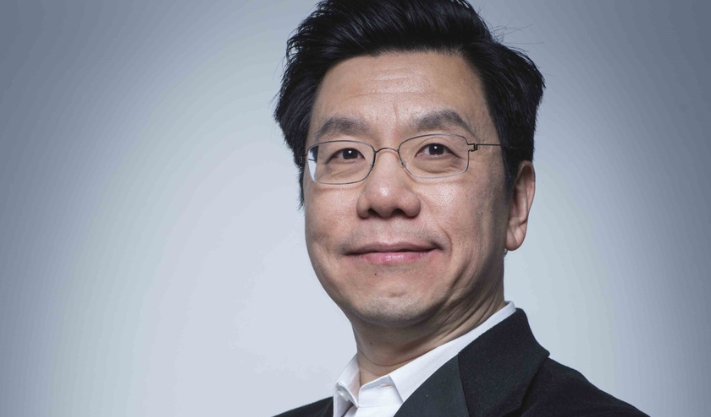
Kai-Fu Lee is one of the most recognized figures in artificial intelligence, technology investment, and innovation. Known for his work in AI research, leadership at major technology companies, and investments in AI startups, Lee has played an influential role in the development of the modern AI ecosystem.
Who is Kai-Fu Lee?
Kai-Fu Lee is a Taiwanese-American computer scientist, technology executive, investor, and author known for his contributions to artificial intelligence and speech recognition. He has held senior positions at companies including Apple, Microsoft, and Google, and later became a leading investor in AI-focused startups.
Lee is also the chairman and CEO of Sinovation Ventures, a venture capital firm focused on supporting technology entrepreneurs and emerging companies.
What is Kai-Fu Lee best known for?
Kai-Fu Lee is best known for his influence on artificial intelligence research and his role in developing China’s technology and AI ecosystem.
He became particularly well known for his work in speech recognition and machine learning before moving into technology leadership and venture capital. His career has allowed him to observe AI from multiple perspectives: as a researcher, corporate executive, entrepreneur, investor, and author.
His ability to connect technological developments with business strategy has made him an influential voice in discussions about the future of AI.
What did Kai-Fu Lee do at Apple, Microsoft, and Google?
Kai-Fu Lee worked at several major technology companies during important periods in the development of computing and AI.
At Apple, he worked on speech recognition technology. He later joined Microsoft, where he became involved in research and technology development.
In 1998, Lee joined Google and eventually became president of Google China. During his time there, he helped expand Google’s operations and technology presence in China.
These experiences gave Lee an unusual understanding of both Western and Chinese technology industries.
Why is Kai-Fu Lee important to the AI industry?
Kai-Fu Lee is important because his career has followed the evolution of AI from an academic research field into a major commercial technology.
He has consistently emphasized the economic and social impact of AI. Rather than viewing artificial intelligence only as a technical development, Lee has discussed how AI could transform industries, employment, education, healthcare, transportation, and business.
His perspective combines technical knowledge with practical experience in corporate leadership and investment.
What is Sinovation Ventures?
Sinovation Ventures is a technology-focused investment firm founded by Kai-Fu Lee. The firm invests in technology companies and entrepreneurs, with a particular emphasis on areas such as artificial intelligence, robotics, consumer technology, and enterprise software.
Through Sinovation Ventures, Lee has supported startups and entrepreneurs working on emerging technologies. His investment activities have further strengthened his position as an influential figure in the global technology ecosystem.
What does Kai-Fu Lee think about the future of AI?
Kai-Fu Lee believes artificial intelligence will have a profound impact on the global economy and society.
One of his central arguments is that AI can automate many tasks that previously required human labor. However, he has also emphasized that AI will create new opportunities and change the nature of work rather than simply eliminate every job.
Lee has encouraged businesses and governments to prepare for these changes through education, workforce development, and thoughtful policies.
What is Kai-Fu Lee’s book AI Superpowers about?
Kai-Fu Lee is the author of AI Superpowers: China, Silicon Valley, and the New World Order.
The book examines the development of artificial intelligence in China and the United States. Lee compares the strengths of the two technology ecosystems and explains why China became a major competitor in AI.
A major theme of the book is that the rise of AI could produce significant economic and social changes around the world.
The book also explores the potential impact of automation on employment and argues that society needs to think carefully about how the benefits of AI are distributed.
What is Kai-Fu Lee’s view of AI and jobs?
Lee has argued that AI will automate a substantial number of routine and predictable tasks.
However, he does not suggest that humans will simply become unnecessary. Instead, he believes the future of work will require people to focus more heavily on skills that involve creativity, empathy, leadership, judgment, and human interaction.
For businesses, this means AI adoption may involve redesigning jobs rather than simply replacing employees.
For individuals, it highlights the importance of continuously developing skills that complement artificial intelligence.
How has Kai-Fu Lee influenced China’s AI industry?
Kai-Fu Lee has been an important figure in China’s technology ecosystem through his leadership, investment activities, and public discussions about AI.
His time at Google China gave him firsthand experience with China’s rapidly growing internet industry. Later, through Sinovation Ventures, he invested in companies developing technologies across AI and other emerging sectors.
His books, interviews, and public commentary have also helped international audiences understand the differences between China’s and Silicon Valley’s approaches to technology development.
What is Kai-Fu Lee’s connection to generative AI?
Lee has closely followed the rise of generative AI and large language models. The emergence of systems capable of generating text, images, software, and other forms of content has reinforced many of his earlier arguments about AI’s economic impact.
Generative AI has expanded the range of tasks that machines can perform, including areas once considered highly dependent on human creativity.
For businesses, Lee’s broader perspective suggests that organizations should consider AI not simply as another software tool but as a technology capable of changing entire workflows.
What can businesses learn from Kai-Fu Lee?
Businesses can take several important lessons from Lee’s career and views on AI.
First, companies should understand how AI can improve existing processes. Second, they should identify tasks that can be automated while preserving human oversight. Third, organizations should invest in employee training so workers can adapt to changing technology.
Lee’s career also demonstrates the value of combining technological expertise with business strategy. AI innovation is not only about building advanced models; it is also about finding meaningful applications that solve real problems.
Why should entrepreneurs follow Kai-Fu Lee?
Entrepreneurs can learn from Lee’s understanding of technology trends, startup development, and investment.
His career demonstrates how emerging technologies can create opportunities across multiple industries. Entrepreneurs can also benefit from his emphasis on identifying large markets, understanding technological change, and building products around real customer needs.
For startup founders working in AI, Lee’s experience offers a useful perspective on both the opportunities and challenges created by rapid technological development.
What is Kai-Fu Lee’s legacy in artificial intelligence?
Kai-Fu Lee’s legacy extends beyond any single company or technology. He has contributed to AI research, led major technology organizations, invested in startups, written influential books, and participated in global conversations about artificial intelligence.
His career illustrates how AI has evolved from specialized research into one of the most important technologies shaping the global economy.
As artificial intelligence continues to develop, Lee’s ideas about automation, entrepreneurship, investment, and the future of work remain relevant to business leaders, technology professionals, and policymakers.
Conclusion: Why Kai-Fu Lee Remains an Important AI Voice
Kai-Fu Lee represents a unique combination of technical expertise, corporate leadership, investment experience, and public thought leadership. From early speech-recognition research to senior roles at global technology companies and investment in AI startups, his career has closely followed the development of modern artificial intelligence.
His work has also encouraged people to think beyond the technology itself. The larger questions involve how AI will reshape businesses, jobs, education, and society.
Also Read:-
What Should You Know About the Stock Market in the USA?
Geoffrey Hinton: The Godfather of Modern AI and Deep Learning
What Are the Latest Market and Banking Updates from New York?