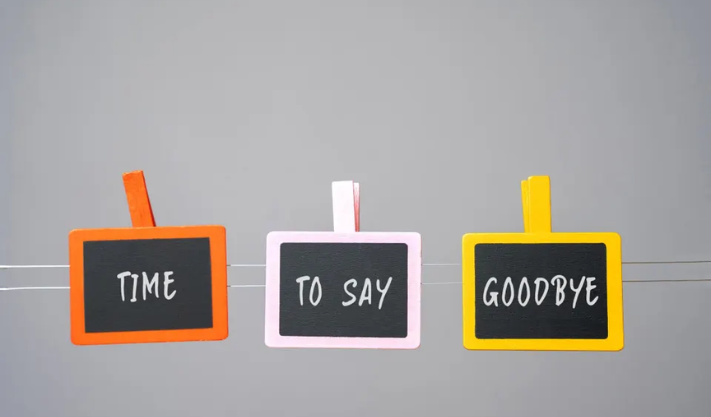
In every business, a few key clients often contribute the majority of revenue, influence, and long-term stability. Losing one of them can create financial pressure, damage confidence within the team, and even affect your market reputation. The problem is that clients rarely disappear overnight. Most of the time, they leave slowly, showing warning signs long before the contract officially ends. Businesses that pay attention to these signals have a much better chance of rebuilding trust, fixing communication gaps, and protecting valuable relationships before it is too late.
Understanding the early indicators of client dissatisfaction is essential in 2026, where competition is stronger, attention spans are shorter, and customer expectations are constantly evolving. Many companies assume silence means satisfaction, but in reality, disengagement is often the first step toward departure. If your biggest client has started acting differently, it may be time to look deeper into the relationship.
Communication Starts Becoming Inconsistent
One of the earliest and most common warning signs is a sudden change in communication patterns. A client who once replied quickly to emails, attended meetings regularly, and actively participated in discussions may suddenly become distant. Messages take days to receive responses, calls get postponed, and meetings become shorter or less frequent.
This usually happens when the client begins emotionally disconnecting from the partnership. They may already be exploring alternatives or losing confidence in your ability to deliver long-term value. When communication slows down, businesses should avoid becoming defensive or passive. Instead, it is important to proactively reconnect, ask meaningful questions, and identify whether there are unresolved concerns affecting the relationship.
They Stop Asking for New Ideas
Healthy clients are curious clients. When businesses are performing well together, clients usually seek fresh strategies, growth plans, and innovative ideas. If your biggest client suddenly stops requesting suggestions or brainstorming sessions, it can indicate they no longer see your company as a strategic partner.
Clients who are preparing to leave often reduce collaboration before making their final decision. They stop discussing future campaigns, long-term projects, or expansion opportunities because they are uncertain about continuing the partnership. This shift can feel subtle at first, but over time it creates distance between both sides.
To reverse this trend, businesses should focus on bringing proactive value instead of waiting for instructions. Sharing industry insights, performance recommendations, and creative opportunities can remind clients why they trusted your expertise in the first place.
Budget Conversations Become More Aggressive
Every business discusses budgets, but a noticeable change in tone can reveal deeper problems. If your client suddenly starts negotiating every invoice, questioning pricing more frequently, or demanding discounts they never requested before, it may signal declining confidence in your value.
When clients believe they are receiving exceptional service, they usually focus on results rather than small financial details. However, once dissatisfaction enters the relationship, pricing becomes a major point of tension. In many cases, clients compare your costs against competitors while evaluating whether to switch providers.
Instead of immediately lowering prices, businesses should reinforce the return on investment they provide. Clear reporting, measurable outcomes, and transparent communication can help clients understand the true value behind the partnership.
Meetings Feel Transactional Instead of Collaborative
Strong client relationships are built on trust, energy, and collaboration. When that atmosphere disappears, the partnership may be weakening. Conversations that once felt engaging and forward-thinking may suddenly become cold, rushed, or purely task-oriented.
If meetings focus only on deadlines, corrections, or complaints without discussing growth opportunities, it may indicate emotional detachment. Clients who feel connected to a business often share ideas openly and involve teams in strategic planning. When they stop doing this, it usually means the relationship has lost momentum.
Businesses should recognize that emotional connection matters just as much as performance. Rebuilding trust may require more personalized communication, stronger relationship management, and a genuine effort to understand the client’s evolving goals.
They Start Exploring Other Vendors Publicly
Another major warning sign appears when clients begin interacting with competing companies. This could happen through social media engagement, requests for external proposals, networking events, or discussions involving alternative service providers.
Some businesses ignore these signs because they assume loyalty guarantees security. In reality, even satisfied clients continuously evaluate the market. If your biggest client openly explores other options, it may suggest they are searching for something they believe is missing in your partnership.
This does not always mean they are ready to leave immediately, but it does mean your position is vulnerable. Companies should respond by strengthening communication, highlighting successful results, and demonstrating adaptability to the client’s changing needs.
Complaints Increase While Appreciation Disappears
Clients who once celebrated wins and appreciated your efforts may suddenly focus only on mistakes. Small issues become major frustrations, feedback becomes more negative, and positive conversations begin disappearing entirely.
This emotional shift often indicates growing dissatisfaction beneath the surface. Sometimes the real issue is not the specific complaint itself but rather accumulated frustration that has never been properly addressed. When appreciation disappears completely, it usually means the relationship is entering a dangerous stage.
Businesses should avoid reacting emotionally to criticism. Instead, they should treat complaints as opportunities to investigate larger concerns. Honest conversations, accountability, and quick problem-solving can sometimes rebuild damaged trust before the client decides to leave permanently.
Decision-Makers Become Less Involved
One of the clearest signs of a slipping client relationship is reduced involvement from senior decision-makers. Executives or leaders who were once active in meetings may suddenly disappear, delegating communication to junior staff or avoiding strategic discussions altogether.
This often means the partnership is no longer considered a priority at the leadership level. In some cases, decision-makers may already be discussing alternative providers internally while maintaining minimal communication externally.
Businesses should never ignore this shift. Re-engaging leadership through performance reviews, strategy presentations, and relationship-building efforts can help restore confidence and visibility at the executive level.
How Businesses Can Prevent Client Loss
Recognizing these warning signs early gives businesses the opportunity to take corrective action before the relationship completely breaks down. The most successful companies understand that retaining clients requires continuous effort, not just strong onboarding or occasional check-ins.
Regular communication, proactive support, transparent reporting, and consistent innovation all play a role in maintaining long-term trust. Clients want to feel valued, understood, and confident that their business goals matter to your team.
It is also important to create systems for gathering honest feedback before frustration builds silently. Quarterly reviews, client satisfaction surveys, and relationship audits can reveal problems early enough to solve them.
Final Thoughts
Losing a major client rarely happens without warning. In most cases, the signs appear gradually through communication changes, reduced engagement, financial tension, or emotional distance. Businesses that ignore these signals often realize the problem too late, while proactive companies use them as opportunities to strengthen relationships.
In 2026, client retention is more valuable than ever. Competition is intense, customer expectations are constantly evolving, and loyalty cannot be assumed. By paying close attention to behavior patterns and responding with professionalism, empathy, and strategic action, businesses can protect their most important partnerships and build stronger long-term success.
Also Read:-
Why Clients Need 7 Hours Before They Trust You
5 ChatGPT Prompts for Smarter Business Decisions
AI Fails When Supply Chain Data Is Inaccurate