How Is California Building a More Renewable Energy System?
California is rapidly building a more renewable energy system by expanding solar power, wind energy, battery storage and other clean-energy technologies while modernizing its electricity grid. The state is also improving energy efficiency, supporting electric vehicles and developing new ways to manage electricity demand.
California has one of the largest and most ambitious clean-energy systems in the United States. Its abundant sunshine makes solar power especially important, while wind, hydropower, geothermal energy and battery storage help create a more diverse and flexible electricity mix.
So, how is California building a more renewable energy system?
California is combining large-scale renewable-energy projects, distributed solar, energy storage, grid modernization and electrification to create a cleaner, more reliable and flexible power system.
What Is California’s Transition to Renewable Energy?
California’s renewable-energy transition is the shift from a traditional electricity system that relies on fossil fuels toward one increasingly powered by renewable and low-carbon energy sources.
The transition includes:
- Solar power
- Wind energy
- Hydropower
- Geothermal energy
- Battery storage
- Energy efficiency
- Electric vehicles
- Electricity-grid modernization
- Distributed energy resources
- Demand-response programs
California has already made significant progress in renewable electricity, particularly solar power. However, producing clean electricity is only one part of the transition.
The state must also ensure that renewable electricity can be stored, transmitted and delivered when consumers need it.
Why Is California Investing in Renewable Energy?
California is expanding renewable energy for several important reasons.
First, the state has excellent renewable resources. California receives abundant sunlight, has strong wind resources and has access to geothermal and hydroelectric power.
Second, renewable energy can reduce greenhouse-gas emissions from electricity generation and support California’s climate goals.
Third, renewable energy can strengthen energy security by reducing dependence on fossil fuels.
Finally, the clean-energy transition creates opportunities for investment, technology development, infrastructure and employment.
California’s renewable-energy strategy is therefore about more than reducing emissions. It is also about building a modern, resilient and reliable electricity system.
What Role Does Solar Power Play in California?
Solar power is one of the most important parts of California’s renewable energy system.
California has excellent solar resources, making both utility-scale solar farms and rooftop solar important sources of electricity.
Large-scale solar projects can generate significant amounts of electricity for the grid, while rooftop solar allows homes, businesses and other buildings to produce electricity locally.
Solar generation is particularly valuable during daylight hours when electricity demand can be high.
However, solar power has an important limitation: electricity production decreases when the sun sets.
That is why California is increasingly pairing solar generation with battery energy storage.
Why Is Battery Storage Important to California?
Battery storage allows California to save renewable electricity when production is high and use it when demand increases.
Solar panels generate large amounts of electricity during the day, but electricity demand can remain high into the evening as solar production declines.
Large battery systems can store excess electricity during periods of high renewable generation and release it later.
This can reduce the need for fossil-fuel generation during certain periods and help balance the electricity system.
Battery storage can also respond quickly to changes in electricity supply and demand, making it an important tool for maintaining grid stability.
As California continues adding solar and wind power, energy storage is becoming an increasingly important part of its clean-energy strategy.
What Role Does Wind Energy Play in California?
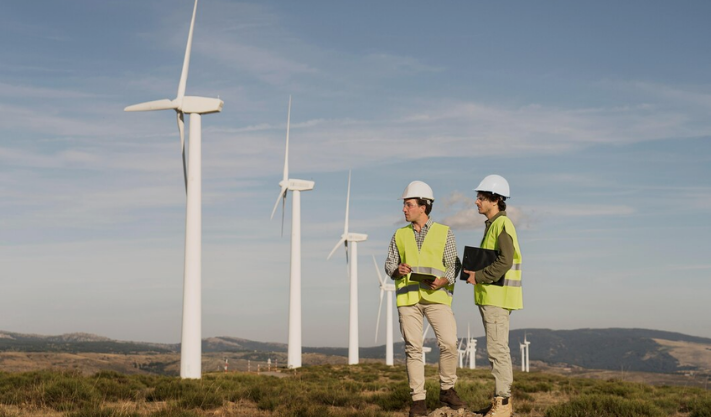
Wind energy is another important component of California’s renewable-energy portfolio.
Several areas of the state have strong wind resources, allowing existing and new wind projects to contribute to electricity generation.
Offshore wind is also receiving increasing attention because California has significant wind resources along its Pacific coastline.
Floating offshore wind technology could allow turbines to operate in deeper waters where traditional fixed-bottom foundations may not be suitable.
Developing offshore wind could provide another large source of renewable electricity while diversifying California’s clean-energy system.
Does California Use Hydropower and Geothermal Energy?
Yes. California uses both hydropower and geothermal energy as part of its renewable-energy mix.
Hydropower has historically played an important role in California’s electricity system. It can provide renewable electricity and, depending on the facility, help balance electricity supply and demand.
Geothermal energy is another valuable resource. Unlike solar and wind, which depend on weather conditions, geothermal facilities can provide a more consistent source of electricity.
This diversity is important because California does not need to depend on a single renewable technology.
Instead, a combination of solar, wind, hydropower, geothermal energy and battery storage can create a more flexible and resilient renewable-energy system.
How Is California Modernizing Its Electricity Grid?
Building renewable-energy projects is not enough. California also needs an electricity grid capable of moving power from where it is generated to where it is consumed.
Many large renewable-energy projects are located far from major population centers. This makes transmission infrastructure particularly important.
California is investing in:
- Transmission infrastructure
- Distribution systems
- Grid-management technologies
- Digital energy systems
- Energy storage
- Smart-grid technologies
A stronger electricity grid can transport renewable power across the state and improve system reliability.
Grid modernization is becoming increasingly important as California adds more renewable generation, battery storage, electric vehicles and other electricity-consuming technologies.
How Do Electric Vehicles Support California’s Clean Energy System?
Transportation is another major part of California’s clean-energy transition.
Electric vehicles can reduce gasoline and diesel consumption while increasing electricity demand.
As California’s electricity system becomes cleaner, charging EVs with renewable electricity can further reduce transportation-related emissions.
The state is also expanding EV charging infrastructure to make electric vehicles more practical for households and businesses.
In the future, smart-charging technology could connect EVs more closely with the electricity grid.
For example, vehicles could be charged when renewable electricity is abundant or when overall electricity demand is lower.
How Is California Improving Energy Efficiency?
Energy efficiency is another important part of California’s renewable-energy strategy.
Using electricity more efficiently can reduce pressure on the grid and lower the amount of additional electricity generation required to meet demand.
California has implemented energy-efficiency measures involving buildings, appliances, lighting and other technologies.
Demand-response programs can also encourage consumers and businesses to shift electricity use away from periods of peak demand.
Together, energy efficiency and demand management can make the electricity system more flexible, reliable and cost-effective.
What Are the Biggest Challenges for California’s Renewable Energy System?
California has made significant progress, but its renewable-energy transition still faces several challenges.
The key challenges include:
- Expanding transmission infrastructure
- Connecting new renewable-energy projects to the grid
- Managing variable solar and wind generation
- Increasing battery-storage capacity
- Maintaining grid reliability
- Meeting growing electricity demand
- Expanding electric-vehicle adoption
- Managing extreme weather and wildfire risks
- Protecting local ecosystems
- Keeping electricity affordable
One of the biggest challenges is balancing electricity supply and demand as California adds more variable renewable generation.
Addressing this challenge will require a combination of energy storage, flexible generation, transmission, demand response and advanced grid management.
What Are the Economic Benefits of Renewable Energy in California?
California’s renewable-energy transition can create significant economic opportunities.
The expansion of renewable energy supports jobs in:
- Construction
- Engineering
- Manufacturing
- Technology
- Project development
- Operations and maintenance
Battery storage and electricity-grid modernization can also create new businesses and investment opportunities.
The growth of electric vehicles and clean-energy technologies can further strengthen California’s position as a center for energy innovation.
As a result, renewable energy can provide both environmental and economic benefits while helping modernize California’s energy infrastructure.
What Is the Future of Renewable Energy in California?
California’s future energy system is expected to include significantly more renewable electricity, particularly from solar and wind power, supported by large-scale battery storage and a stronger electricity grid.
Other technologies, including hydropower, geothermal energy, offshore wind and distributed solar, will continue to contribute to the energy mix.
Electric vehicles and charging infrastructure will increasingly connect California’s electricity and transportation systems.
At the same time, energy efficiency, smart-grid technologies and demand-response programs will become more important as electricity demand grows.
The overall direction is clear: California is moving toward a cleaner, more electrified, flexible and increasingly renewable energy system.
FAQs
How is California building a renewable energy system?
California is expanding solar and wind power while investing in battery storage, grid modernization, energy efficiency and electrification.
What is California’s main renewable energy source?
Solar power is one of California’s most important renewable-energy sources, supported by wind, hydropower and geothermal energy.
Why is battery storage important in California?
Battery storage allows California to store renewable electricity when production is high and use it later when electricity demand increases.
Is California developing offshore wind?
Yes. California is exploring offshore wind, particularly floating wind technology, to take advantage of its Pacific Ocean wind resources.
What are California’s biggest renewable-energy challenges?
The main challenges include expanding the electricity grid, integrating variable renewable generation, increasing energy storage and maintaining reliable and affordable electricity.
Conclusion
California is building a more renewable energy system by combining solar power, wind energy, hydropower, geothermal energy and battery storage with major investments in electricity-grid infrastructure.
Solar power remains particularly important because of California’s abundant sunshine, while battery storage helps address the challenge of using solar electricity after sunset. Wind, hydropower and geothermal energy provide additional diversity and flexibility.
California is also modernizing its electricity grid, expanding electric-vehicle infrastructure, improving energy efficiency and developing smarter ways to manage electricity demand.
The transition is not without challenges. California must expand transmission capacity, maintain grid reliability, prepare for extreme weather and wildfire risks, and ensure that clean electricity remains affordable.
However, the overall direction is clear. California is building a more renewable, electrified and flexible energy system, with clean electricity at the center of the state’s energy future.
Also Read:-
Vinod Khosla: Vision, Career, Investments & Tech Impact
Reid Hoffman: Entrepreneur, Investor & LinkedIn Visionary
How Do Entrepreneurs Start and Build Successful Businesses?