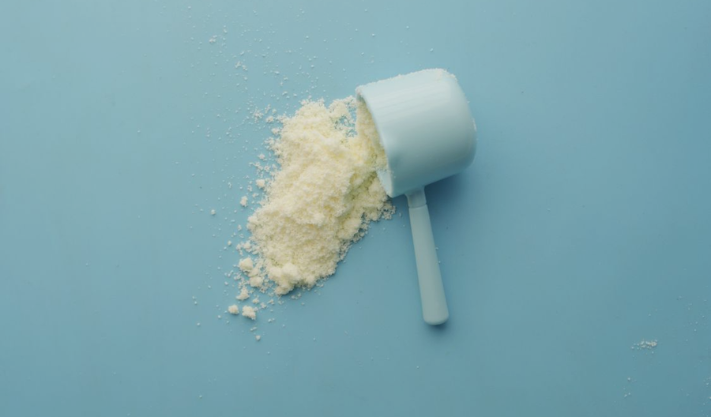
Many people choose to utilize protein supplements since it helps them achieve their fitness objectives, muscle building, weight management, and nutrition in general. One very typical question people ask is whether Protein Powder is safe to consume every day.
The simple answer is yes. In general, daily protein supplementation can be safe for healthy adults in enough doses and as part of a balanced diet. But there’s more to consider before you decide if everyday use is suitable for you.
This manual addresses the most common issues about daily protein supplement use and helps you understand the advantages, hazards and recommended practices.
Is it Safe to Drink Protein Powder Daily?
Can most healthy people take protein supplements every day safely? Yes.
Protein is a vital food that helps build and repair muscles, boost the immune system, generate hormones and keep tissues healthy. If your regular protein intake from meals doesn’t meet your needs, supplements might help close the gap.
Eating it every day is not something to be worried about unless you eat too much or you have medical issues that have an impact on how your body metabolizes protein.
For the majority of people, moderate use on a daily basis is deemed safe and beneficial.
What Is Protein Powder?
Protein supplements are concentrated sources of dietary protein that are intended to assist people achieve their daily nutritional needs.
Types common are:
- Whey protein concentrate
- Casein protein
- Soy protein
- Pea protein
- Rice protein
- Egg protein
These products are usually blended with water, milk or smoothies and eaten before or after exercise or as a quick snack.
Why Do People Use Protein Supplements Daily?
People utilize protein supplements for a variety of reasons.
Shared goals of:
- Muscle Mass Building
- Helps with recovery from workout
- Increase your protein intake everyday
- Control of body weight
- Healthy aging promotion
- Maintaining muscle while on a diet
Daily consumption may be especially useful for those who have difficulty getting enough protein from whole foods alone.
How Much Protein Do You Need a Day?
Protein needs are individualized.
These include among others,
- Age
- Weight
- Level of activity
- Fitness targets
- Overall health condition
Sedentary persons often need less protein than athletes or those consistently engaged in physical training.
Those who are into body-building or work out hard may demand a higher protein intake than the average person.
Can You Have Too Much Protein?
For some people, too much protein might be a problem.
Possible considerations are:
- Digestive upset
- Gas and bloating
- Fluid Losses
- More calories in
- Nutrient imbalance
Moderate protein intake is usually well tolerated in healthy persons. But eating way more protein than your body needs could not do much for you.
For the long term health, balance is still crucial.
Can I Use Protein Powder Instead of Meals?
Protein supplements are not meant to substitute balanced meals.
Whole foods offer:
- Vitamin
- Minerals
- Fiber
- Healthy fats
- Antioxidant
Supplements are a convenient addition, but they’re most effective when used in conjunction with a diverse diet and not as a replacement for good meals.
A balanced diet remains the key to good health.
Protein powder is good for muscle growth and can be taken daily
Yes. Consuming Protein Powder consistently can aid in supporting muscle growth alongside resistance training and sufficient calorie consumption.
Protein contains the amino acids the muscles need to repair and recover after exercise.
But pills alone don’t create muscle. Muscle development comes from effective training, good diet, and adequate rest.
Best Time to Drink Protein Powder
When is the optimal time? It depends on your goals and what your daily schedule looks like.
Some common choices are:
After exercising
Many people ingest protein after exercises to aid recuperation and muscle restoration.
Between Meals
Protein can assist to enhance your daily consumption and make you feel fuller between meals.
Breakfast Time
A little extra protein at breakfast may help keep you full and energized throughout the day.
Before Going to Bed
Some people eat protein before going to sleep to aid muscle regeneration during the night.
Usually, consistency is more important than precise time.
Is Protein Powder Good for Weight Loss?
A few ways protein could help with weight management.
Benefits may be:
- Increased satiety feelings
- Less famished
- Better regulation of appetite
- Maintenance of muscular mass while dieting
Supplementing with protein may help promote healthy weight-loss efforts when used as part of a calorie-controlled diet.
But the overall calorie intake continues to be the main factor in weight management.
What are the side effects of daily use?
Protein supplements are generally well tolerated by most people.
Side effects that could occur include:
- Gas
- Bloating
- Stomach ache
- Digestive problems
These symptoms are usually attributable to specific additives and not the protein itself.
Choosing a product that meets your nutritional needs may help relieve intestinal discomfort.
Is Protein Powder Safe For Seniors?
Yes. Older persons generally benefit from proper protein intake because muscle mass falls naturally with age.
Protein supplementation can assist support:
- Muscle retention
- Strength
- Physical function
- Recovering from illness or injury
Older persons should talk to a health care expert about particular nutrition needs when needed.
Can Teens Drink Protein Powder?
Teenagers may use protein supplements in some cases, particularly if they have elevated nutritional needs due to sports or physical activity.
But, for the most part, whole-food sources of protein should still be the major focus.
Parents and health care providers can assist decide whether supplementing is appropriate.
Who should be cautious about protein supplements?
Some people need professional assistance before increasing protein.
May include persons who:
- Renal disease
- Disease of the liver
- Particular metabolic disorders
- Some medical illnesses demanding dietary restrictions
Personalized recommendations help to guarantee safe and adequate intake.
How to Choose a Good Quality Protein Supplement
When choosing a supplement, consider:
- High quality ingredients
- Protein content
- Third Party Testing
- Added sugars
- Synthetic Ingredients
- Allergen information
You can read labels carefully to help you choose one that fits your goals and dietary preferences.
Is Protein Better From Food or Supplements?
When feasible, get most of your nourishment from whole foods.
Here are some great protein-rich foods:
- Eggs
- Seafood
- Poultry
- Low fat meats
- Milk products
- Beans
- Lentils
- Nuts
Supplements can assist fill nutritional gaps when it is difficult to get enough protein from food alone.
Many people successfully mix both.
FAQs
Yes, you can take protein supplements on a daily basis
Yes. Generally, Protein Powder is safe for most healthy adults to eat everyday as part of a balanced diet.
Is it okay to eat protein every day?
For most people, consuming protein daily in suggested limits is deemed safe.
Can protein supplements harm the kidneys?
In healthy people, normal protein intake usually does not cause kidney injury. If you have any problems with your kidneys then you should see your doctor.
Can protein develop muscle?
Yep. Protein helps repair and develop muscles, especially when paired with resistance training and good diet.
Can I drink protein and not work out?
Yes. Protein helps with many other activities in your body besides just exercise. It helps rebuild tissue and keeps you healthy.
What’s the biggest advantage of protein powder?
The largest benefit is it’s convenient to assist people fulfill their daily protein needs when they can’t get enough protein from meals alone.
Conclusion
For most healthy adults, taking protein supplements everyday can be a safe and effective approach to reach their dietary goals. If you want to develop muscle, recover, manage your weight or just eat enough protein, taking it consistently and in moderate amounts can help. The trick is to treat Protein Powder as a supplement to a healthy diet and not a replacement for real, nutritious foods. In the long run, eating protein every day can be part of a wellness plan, along with balanced food and an active lifestyle.
Also Read:-
Doug McMillon: Leadership, Career & Success Story
Pornhub to Become Accessible Again for Some UK Users
Dara Khosrowshahi: The Visionary CEO Behind Uber’s Rise