Rethinking the Foundations of Food Production
American food manufacturing stands at a critical crossroads, shaped by decades of industrial expansion, globalization, and evolving consumer expectations. While the industry has achieved remarkable scale and efficiency, it now faces mounting pressure to address issues such as sustainability, supply chain resilience, and public health. Transforming food manufacturing from the inside out requires a fundamental rethinking of how food is produced, processed, and distributed—moving beyond short-term gains toward long-term value creation.
Strengthening Domestic Supply Chains
One of the most pressing challenges in food manufacturing is the fragility of supply chains. Disruptions caused by global crises, climate events, and geopolitical tensions have exposed vulnerabilities in sourcing and distribution. Rebuilding from within means prioritizing local and regional supply networks, reducing dependence on distant suppliers, and investing in infrastructure that ensures consistent access to raw materials. Strengthening domestic supply chains not only improves resilience but also supports local economies and reduces environmental impact.
Embracing Technological Innovation
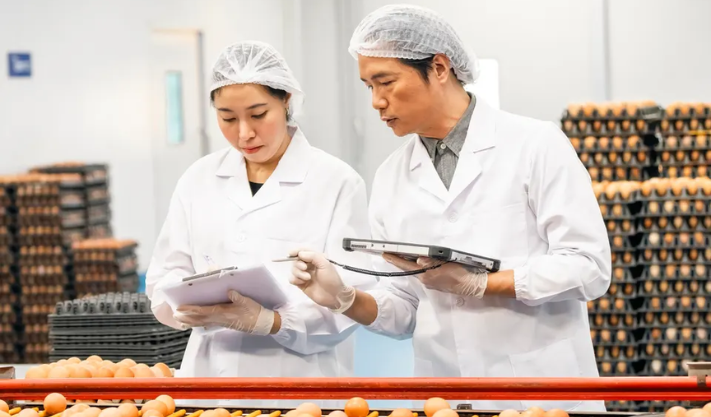
Technology is a powerful catalyst for transformation in food manufacturing. From automation and robotics to artificial intelligence and data analytics, advanced technologies can enhance efficiency, reduce waste, and improve product quality. Smart manufacturing systems enable real-time monitoring and decision-making, allowing companies to respond quickly to changing conditions. By integrating innovation into core operations, manufacturers can create more agile and adaptive production environments.
Prioritizing Sustainability and Environmental Responsibility
Sustainability has become a central concern for both consumers and regulators. The food manufacturing industry must address its environmental footprint by reducing energy consumption, minimizing waste, and adopting eco-friendly packaging solutions. Transitioning to renewable energy sources, optimizing resource use, and implementing circular economy principles are essential steps in building a more sustainable system. These efforts not only benefit the environment but also enhance brand reputation and competitiveness.
Improving Food Quality and Safety Standards
Ensuring the safety and quality of food products is a non-negotiable priority. Advances in testing, traceability, and quality control systems can help manufacturers maintain high standards while reducing risks. Blockchain technology, for example, offers the potential for greater transparency in supply chains, enabling consumers to track the origin and journey of their food. Strengthening safety protocols and embracing transparency can build trust and confidence among consumers.
Investing in Workforce Development
The transformation of food manufacturing depends heavily on the people who drive it. As technology reshapes the industry, there is a growing need for a skilled and adaptable workforce. Investing in training and education programs can equip workers with the knowledge and skills required to operate advanced systems and manage complex processes. At the same time, improving working conditions and offering competitive wages can attract and retain talent in an increasingly competitive labor market.
Aligning with Changing Consumer Preferences
Consumer preferences are evolving rapidly, driven by increased awareness of health, sustainability, and ethical considerations. Demand for organic, plant-based, and minimally processed foods is on the rise, challenging manufacturers to adapt their product offerings. By closely monitoring market trends and engaging with consumers, companies can develop products that align with these preferences while maintaining profitability.
Enhancing Transparency and Accountability
Transparency is becoming a key differentiator in the food industry. Consumers want to know where their food comes from, how it is produced, and what ingredients it contains. Manufacturers can build trust by providing clear and accurate information, adopting transparent labeling practices, and openly communicating their processes. Accountability, both internal and external, ensures that companies uphold their commitments and maintain high standards.
Reducing Waste Across the Value Chain
Food waste is a significant issue that affects both economic efficiency and environmental sustainability. From production to distribution, inefficiencies can lead to substantial losses. Implementing waste reduction strategies—such as optimizing production processes, improving inventory management, and repurposing byproducts—can create value while minimizing environmental impact. A focus on waste reduction is essential for building a more efficient and responsible industry.
Strengthening Collaboration and Partnerships
Transforming food manufacturing requires collaboration across the entire ecosystem, including suppliers, distributors, regulators, and consumers. Partnerships can drive innovation, share resources, and address common challenges more effectively. By fostering a collaborative approach, the industry can accelerate progress and create solutions that benefit all stakeholders.
Leveraging Policy and Regulatory Support
Government policies and regulations play a crucial role in shaping the food manufacturing landscape. Supportive policies can encourage investment in innovation, sustainability, and infrastructure. At the same time, clear and consistent regulations provide a framework for maintaining standards and ensuring fair competition. Engaging with policymakers and advocating for forward-thinking policies can help drive meaningful change.
Building Resilience for the Future
Resilience is a key objective in transforming food manufacturing. This involves not only addressing current challenges but also preparing for future uncertainties. Diversifying supply sources, investing in technology, and adopting flexible production models can help companies navigate disruptions and maintain stability. A resilient industry is better equipped to adapt to changing conditions and sustain long-term growth.
Driving Economic and Social Impact
The transformation of food manufacturing has the potential to generate significant economic and social benefits. By creating jobs, supporting local communities, and promoting sustainable practices, the industry can contribute to broader societal goals. Companies that prioritize social responsibility and community engagement can build stronger relationships and enhance their overall impact.
The Role of Leadership in Transformation
Effective leadership is essential in driving change within the food manufacturing industry. Leaders must be willing to challenge existing norms, embrace innovation, and make strategic decisions that prioritize long-term value. By fostering a culture of continuous improvement and accountability, leaders can guide their organizations through the complexities of transformation.
Conclusion: A Holistic Approach to Transformation
Rebuilding American food manufacturing from the inside out requires a holistic approach that addresses every aspect of the industry—from supply chains and technology to sustainability and workforce development. By focusing on internal transformation, companies can create a more resilient, efficient, and responsible system that meets the needs of both consumers and the environment. As the industry evolves, those who embrace change and invest in innovation will be best positioned to lead the future of food manufacturing.
Also Read:
The New Leadership Constraint Isn’t Productivity It’s Judgment
AI Noise Overwhelms Small Businesses, One Fix
What Business Leaders Often Misunderstand About Plastics and Bioplastics