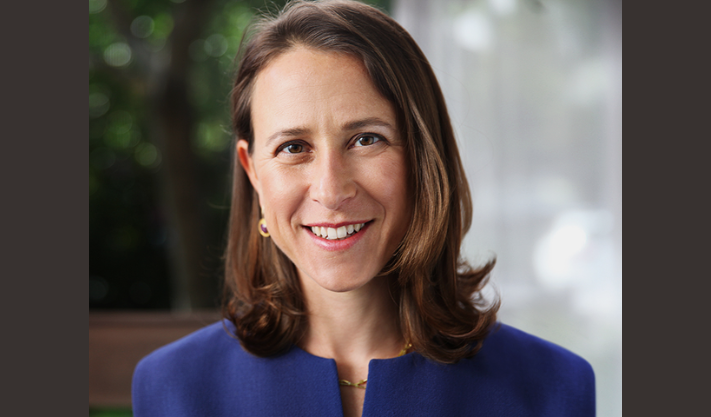
Anne Wojcicki is an American entrepreneur best known as the co-founder and former CEO of 23andMe, a pioneering biotechnology company that brought direct-to-consumer genetic testing into the mainstream. Over the past two decades, she has played a central role in transforming how individuals access and understand their genetic information, advocating for consumer empowerment in healthcare and challenging traditional models of medical data ownership.
Early Life and Education
Anne E. Wojcicki was born on July 28, 1973, in San Mateo County, California, into a highly accomplished family. Her father, Stanley Wojcicki, was a physics professor at Stanford University, and her mother, Esther Wojcicki, is a respected educator and journalist. Anne grew up alongside her sisters, including Susan Wojcicki, the longtime CEO of YouTube.
Raised in an academically driven environment, Anne developed a strong interest in science early in life. She attended Yale University, earning a Bachelor of Science degree in biology in 1996. While at Yale, she conducted laboratory research, an experience that shaped her initial ambitions in healthcare and medicine. However, she soon realized that systemic issues in the healthcare system limited innovation and access, which would later influence her entrepreneurial path.
Early Career on Wall Street
After graduating from Yale, Wojcicki took an unconventional step for a biology graduate: she became a healthcare analyst on Wall Street. She worked at firms such as Passport Capital, focusing on biotechnology investments. During her time as an analyst, she gained deep insights into how healthcare companies were funded, valued, and incentivized.
It was during this period that she grew increasingly critical of the healthcare industry’s structure. She observed that pharmaceutical development was often reactive rather than preventive and that patients had limited access to their own health data. These observations would later serve as the foundation for her mission to democratize genetic information.
Founding of 23andMe
In 2006, Anne Wojcicki co-founded 23andMe alongside Linda Avey and Paul Cusenza. The company’s name refers to the 23 pairs of chromosomes in a human cell. Its mission was bold and controversial at the time: to provide individuals direct access to their genetic information without requiring a physician as intermediary.
The company launched its first direct-to-consumer DNA testing kit in 2007. Customers could submit a saliva sample and receive detailed reports about ancestry, traits, and potential health risks. This approach marked a significant shift in the healthcare paradigm, putting genetic data directly into the hands of consumers.
Initially, 23andMe faced skepticism from the medical community and regulators. Critics questioned whether consumers could properly interpret genetic risk information without professional guidance. In 2013, the U.S. Food and Drug Administration (FDA) ordered the company to halt marketing its health-related genetic tests, citing regulatory concerns.
Wojcicki responded by working closely with regulators to ensure compliance and scientific validation. In 2015, 23andMe became the first company to receive FDA authorization to market direct-to-consumer genetic tests for certain health conditions. This milestone validated the company’s model and cemented its role as a leader in personal genomics.
Data, Research, and Pharmaceutical Partnerships
One of Wojcicki’s most strategic moves was recognizing the immense research value of aggregated genetic data. With customer consent, 23andMe built one of the world’s largest genetic databases. This resource allowed the company to conduct large-scale genetic research and collaborate with pharmaceutical companies.
In 2018, 23andMe entered into a major partnership with pharmaceutical giant GlaxoSmithKline (GSK), aimed at using genetic data to identify new drug targets. This partnership signaled a shift from a consumer-focused testing company to a broader biotech and drug discovery enterprise.
Under Wojcicki’s leadership, 23andMe increasingly invested in therapeutics, leveraging its database to accelerate research into diseases such as Parkinson’s and autoimmune disorders. The company went public in 2021 through a merger with a special purpose acquisition company (SPAC), further expanding its reach and visibility.
Advocacy for Consumer Empowerment
Central to Anne Wojcicki’s philosophy is the belief that individuals should own and control their personal health information. She has consistently argued that empowering consumers with data can lead to better health decisions and more proactive care.
This perspective aligns with broader trends in digital health, where wearable devices, personalized medicine, and telehealth services are reshaping patient engagement. Wojcicki has often spoken about shifting healthcare from a reactive system—treating illness after it occurs—to a preventive one informed by genetic risk insights.
Her approach has not been without controversy. Privacy advocates have raised concerns about the security and ethical use of genetic data. Data breaches and broader societal debates around genetic discrimination have kept the spotlight on companies like 23andMe. Wojcicki has maintained that transparency, consent, and robust security protocols are essential to maintaining public trust.
Personal Life and Public Profile
Anne Wojcicki’s personal life has also attracted public attention. She was married to Sergey Brin, co-founder of Google, from 2007 until their separation in 2013. The couple has two children together.
Despite her high-profile connections, Wojcicki has largely kept the focus on her professional mission. She is known for her energetic leadership style and hands-on involvement in company strategy. Colleagues often describe her as mission-driven and deeply committed to long-term healthcare transformation.
She has appeared on numerous influential lists, including Forbes’ rankings of powerful women in business. Through interviews and conference appearances, she has consistently advocated for scientific literacy, research participation, and greater access to health data.
Challenges and Industry Impact
The personal genomics industry has evolved significantly since 23andMe’s launch. Competitors have emerged, and consumer interest has fluctuated over time. The company has faced financial pressures, changing market dynamics, and the broader challenge of converting genetic insights into actionable medical outcomes.
Nonetheless, Wojcicki’s impact on biotechnology is substantial. She helped normalize the idea that everyday individuals could access and understand their genetic code. This cultural shift has influenced not only consumer behavior but also pharmaceutical research and public health initiatives.
By combining consumer technology principles with biotech innovation, she blurred the lines between Silicon Valley startups and traditional life sciences companies. Her background in both science and finance uniquely positioned her to navigate regulatory hurdles, investor expectations, and scientific complexity.
Legacy and Future Outlook
Anne Wojcicki’s legacy lies in her role as a catalyst for change in how people think about genetics and personal health. Whether through direct-to-consumer testing, large-scale research collaborations, or advocacy for data ownership, she has consistently pushed the boundaries of conventional healthcare systems.
As genomics continues to advance—with technologies like CRISPR gene editing, AI-driven drug discovery, and increasingly affordable sequencing—Wojcicki’s early vision of widespread genetic awareness appears increasingly prescient. The conversation she helped initiate around data access, privacy, and personalized medicine will likely shape healthcare for decades to come.
Anne Wojcicki stands as a prominent example of a modern biotech entrepreneur: scientifically informed, financially savvy, and willing to challenge entrenched systems. Through both success and controversy, her career reflects the complexities of innovating in one of the most sensitive and consequential fields—human health.
For more such articles, please follow us on Twitter, Linkedin & Instagram
Also Read:
Melanie Perkins: Making design simple for everyone
Whitney Wolfe Herd changed the rules of online dating
9 LinkedIn Post Types That Consistently Bring Freelance Clients