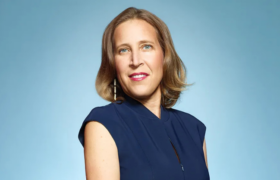
Who is the youngest billionaire in the world in 2026? The answer is Amelie Voigt Trejes, a Brazilian heiress who was 20 years old in 2026. She is connected to WEG, one of Brazil’s biggest industrial machinery and electrical equipment manufacturers, co-founded by her grandfather, Werner Ricardo Voigt.
Amelie’s journey is a case study in how family ownership, inherited shares and long-established enterprises may build significant wealth for the following generation. At the same time, young entrepreneurs are generating billion-dollar fortunes in artificial intelligence, software development, financial technology and other burgeoning businesses.
The youngest billionaires in the world in 2026 are a mixture of inherited and entrepreneurial wealth. Some inherited wealth through family enterprises, while others developed companies that attracted significant investment from venture capitalists and other investors.
In this article, we examine who the world’s youngest billionaire is in 2026, how she built her fortune, who the youngest self-made billionaires are and what their stories tell us about entrepreneurship and wealth creation.
Who Is the Youngest Billionaire in the World in 2026?
The world’s youngest billionaire in 2026 is Brazilian heiress Amelie Voigt Trejes, a member of the family behind WEG, a widely recognised industrial equipment business.
Amelie made the billionaire list through inheriting her family’s wealth, not by creating a company on her own. Her grandfather, Werner Ricardo Voigt, was one of the founders of WEG, a company that started in Brazil in 1961 and evolved into a significant provider of electric motors, generators, transformers and industrial automation technology.
When Amelie was 20, she was the youngest person on the 2026 global youngest-billionaires list. She was reportedly younger than Johannes von Baumbach, a German heir whose family wealth is tied to the pharmaceutical giant Boehringer Ingelheim.
Her position shows that the youngest billionaire does not have to be a technology founder or business executive. An inheritance from a successful company can also place someone among the world’s richest people at a very young age.
Quick Facts About Amelie Voigt Trejes
Who is she?
Amelie Voigt Trejes is a Brazilian billionaire heiress whose wealth is connected to the WEG industrial fortune.
How old is she?
In 2026, she was 20 years old.
What is she wealthy from?
Her wealth is connected to family assets inherited through ownership associated with WEG.
Is she a self-made billionaire?
No. Her billionaire status comes from inherited wealth rather than founding a company herself.
Why does she matter?
She was identified as the youngest billionaire in global rankings for 2026, highlighting the role of family ownership in transferring wealth across generations.
How Did Amelie Voigt Trejes Earn Her Money?
Amelie’s wealth is tied to the long-term success of WEG, a corporation that has expanded from a Brazilian industrial producer into a global business.
WEG was established in 1961 by Werner Ricardo Voigt, Geraldo Werninghaus and Eggon João da Silva. The company developed its reputation by producing electric motors and subsequently expanded into a broader portfolio of electrical equipment, industrial automation systems, energy solutions and related technologies.
These products serve industries including manufacturing, infrastructure, energy, transportation and commercial construction. As businesses and economies demand reliable electrical equipment and automation, companies in this sector can benefit from long-term industrial demand.
Amelie’s connection to the firm illustrates how wealth may be transferred from one generation to another. When a family owns a successful company, its shares and other assets may eventually be passed on to younger family members.
What Did WEG Contribute to Her Fortune?
A Company With a Rich Heritage
WEG was founded decades before Amelie was born. The family’s wealth developed from a commercial foundation that expanded over time.
Global Demand for Industrial Products
Electric motors, generators, transformers and automation equipment are important components of modern industrial and energy systems.
Family Ownership
Ownership stakes in a successful company can become valuable assets passed down through inheritance.
Creation of Long-Term Wealth
A company that expands its products, customer base and international presence can generate significant value for its owners over time.
It is important to distinguish an individual’s personal achievements from the performance of a family-owned company. Amelie’s position on the billionaire list is based on the estimated value of her inherited fortune, not evidence that she personally founded or managed WEG.
Is the World’s Youngest Billionaire Self-Made?
No. Amelie Voigt Trejes is an heiress to a family fortune. However, the youngest self-made billionaire is a different story, and that distinction matters when comparing people who inherit wealth with entrepreneurs who establish businesses.
Mercor’s co-founders Surya Midha, Brendan Foody and Adarsh Hiremath were among the youngest self-made billionaires in the world in the 2026 rankings. All three were 22 years old, with estimated fortunes of approximately $2.2 billion as of March 2026.
In that report, Midha was identified as the youngest self-made billionaire because he was a few months younger than his co-founders.
Mercor is an AI recruitment and talent platform that connects companies with specialists who help design, train and evaluate artificial intelligence systems. The company has also benefited from demand for high-quality human expertise in AI development.
The founders’ success demonstrates how a relatively young technology business can generate substantial wealth when investors value it at billions of dollars and its founders retain significant ownership stakes.
How Is an Inherited Billionaire Different From a Self-Made Billionaire?
Billionaire by Inheritance
An inherited billionaire is someone who receives significant wealth through family ownership, inheritance or assets accumulated by previous generations.
Self-Made Billionaire
A self-made billionaire is someone who accumulates wealth primarily through a business, investment activity or another venture they have built or developed.
Why the Distinction Matters
Both groups may have substantial assets, but their paths to wealth differ. Inheritance can provide an established financial foundation. Entrepreneurship usually involves developing a product, finding customers, obtaining funding and managing business risks.
The term self-made also does not mean that an entrepreneur succeeds entirely alone. Founders frequently depend on employees, customers, investors, business partners and existing infrastructure.
Top 10 Youngest Self-Made Billionaires in the World in 2026
The youngest self-made billionaires in 2026 include a new generation of entrepreneurs who have founded businesses in artificial intelligence and technology.
Inherited wealth continues to play a significant role in billionaire rankings, but AI startups have opened new opportunities for founders to build fortunes through substantial ownership stakes in rapidly growing companies.
1. Surya Midha
Mercor Co-Founder
Surya Midha was identified as the youngest self-made billionaire in the March 2026 rankings at the age of 22. His estimated wealth was approximately $2.2 billion.
In 2023, Midha co-founded Mercor with Brendan Foody and Adarsh Hiremath. The startup enables AI developers to access specialised human expertise to train and evaluate AI models.
Mercor demonstrates how companies can create value by identifying emerging demand in the technology sector. As artificial intelligence systems become more advanced, developers need skilled individuals to analyse their outputs, improve reliability and provide domain-specific expertise.
Midha’s experience highlights the value of identifying a growing market and developing a service that addresses a genuine business need.
2. Brendan Foody
Mercor Co-Founder
Brendan Foody, a self-made billionaire at 22, also entered the 2026 rankings with an estimated net worth of approximately $2.2 billion.
Foody co-founded Mercor, a startup that combines recruitment, professional expertise and artificial intelligence.
Traditional recruitment companies match employers with workers. Talent platforms focused on artificial intelligence can also help technology organisations find professionals who contribute to training, evaluating and developing AI models.
Mercor’s success highlights how founders can respond to changes in the way businesses recruit talent and develop new technologies.
3. Adarsh Hiremath
Mercor Co-Founder
Adarsh Hiremath, also 22, joined his Mercor co-founders among the youngest self-made billionaires in 2026. His estimated net worth was approximately $2.2 billion.
Hiremath’s billionaire status is connected to his ownership stake in the company. When investors assign a sufficiently high valuation to a private corporation, founders can become paper billionaires if their shares are worth more than $1 billion.
However, a private company’s valuation is not the same as cash in a founder’s bank account. The value of an individual’s ownership can change because of future fundraising rounds, company performance, dilution and market conditions.
The three Mercor founders demonstrate how the right combination of timing, technology and business execution can produce significant financial results at a young age.
Who Is the Youngest Billionaire in America in 2026?
The answer depends on whether the question refers to all American billionaires or only people included in a particular ranking.
Steven Hao, 30, was identified as the youngest member of the 2026 Forbes 400, a list of the richest individuals in America. Hao is a co-founder of Cognition, an AI company recognised for its Devin software engineering agent. Coverage of the list placed his estimated fortune at approximately $5.8 billion.
This distinction matters because rankings of wealthy Americans cover a different population from global billionaire rankings. Being the youngest person on an American wealth list does not necessarily mean someone is the youngest billionaire in the world.
How Steven Hao Made His Fortune
Software Development and Artificial Intelligence
Cognition is developing AI solutions designed to help with software engineering tasks, including writing and fixing code.
Equity in a Technology Company
When investors assign a high valuation to a company, a founder’s ownership stake can become extremely valuable.
Demand for AI Tools
More businesses are looking for ways to use AI to automate repetitive work, increase productivity and accelerate software development.
Hao’s story highlights the growing role of AI in wealth creation. However, his position in an American ranking should not be confused with the global youngest-billionaire title.
Why Are There So Many Young Billionaires in 2026?
Young billionaires are emerging across a variety of industries, but artificial intelligence has been a particularly fertile area for new fortunes.
As AI businesses grow, entrepreneurs can develop products that serve customers across multiple countries without requiring as much physical infrastructure as traditional manufacturing businesses.
1. Artificial Intelligence Is Creating New Markets
AI is transforming how organisations develop software, recruit employees, analyse information and serve customers.
Startups that solve meaningful problems can attract substantial investment, particularly when their products target large markets. Founders who retain significant ownership stakes can benefit financially when their companies increase in value.
However, not every AI startup will succeed. Competition, operating costs, technical limitations and changing customer demand can all affect a company’s long-term prospects.
2. Digital Businesses Can Serve Customers Globally
Through internet distribution, a digital product can potentially reach customers worldwide.
For example, software companies can sell subscriptions to businesses in multiple countries without opening a physical branch in each region. If a product meets customer needs, this scalability can support rapid revenue growth.
Global reach does not guarantee prosperity, but it can expand the potential market available to a successful business.
3. Venture Capital Can Accelerate Growth
Venture capital investors fund companies they believe have significant growth potential.
With this investment, entrepreneurs can hire employees, develop products, expand into new markets and compete with established corporations. In return, investors generally receive equity or other financial rights.
When a company secures investment at a higher valuation, the estimated value of existing shares may increase. This explains why technology founders can become billionaires before their companies go public.
4. Family Businesses Continue to Create Wealth
Not every young billionaire is a company founder.
Well-managed, innovative and internationally diversified family enterprises can build enormous wealth over several decades.
Amelie Voigt Trejes is one example. Her connection to WEG shows how an industrial company established in the previous century can remain economically relevant in a modern business environment.
5. Technology Is Changing How Businesses Operate
Cloud computing, online payments, automation and AI tools have lowered some of the barriers to starting a business.
Existing platforms can help entrepreneurs test ideas, connect with customers and manage operations. These tools may make launching a company more accessible, but market knowledge, effective execution and financial discipline remain essential for building a sustainable business.
What Can Young Entrepreneurs Learn From the Youngest Billionaires?
The youngest billionaires demonstrate different paths to wealth, but their stories should not be treated as a guaranteed formula for success.
Entrepreneurs can still learn valuable lessons from the businesses and industries behind these fortunes.
1. Solve a Real Problem
Successful organisations often provide something valuable to their customers.
Before starting a business, identify the specific problem you want to solve, determine who experiences that problem and establish whether customers are willing to pay for a solution.
Having a clear problem and target market is a better starting point than pursuing an idea simply because it is popular.
2. Discover How Technology Can Drive Innovation
Artificial intelligence and software are important in the modern economy, but entrepreneurs do not have to build advanced technologies themselves.
Business owners can use existing tools to improve customer service, automate administrative tasks, analyse sales and reduce repetitive work.
The most useful technology is one that delivers a measurable benefit to a company or its customers.
3. Focus on Ownership and Sustainable Growth
A founder’s personal wealth is not determined by revenue alone.
The value of a business owner’s stake depends on ownership percentage, profitability, debt, company valuation and the number of shares held by other investors.
Entrepreneurs should understand how funding agreements work and consider the long-term consequences of giving up equity in exchange for capital.
4. Develop Skills Before Chasing Valuations
A company may receive a high valuation without having a sustainable business model.
Entrepreneurs should focus on customer satisfaction, product quality, reliable operations and consistent revenue rather than treating a high valuation as the main measure of success.
5. Understand the Risks of Wealth Creation
Private company valuations can fluctuate significantly. Businesses may lose customers, face increased competition or fail to meet their growth targets.
A billionaire ranking provides a snapshot of estimated wealth at a particular time. It does not guarantee that the same level of wealth will be maintained in the future.
Youngest Billionaire in the World in 2026: Frequently Asked Questions
Who Is the Youngest Billionaire in the World in 2026?
Amelie Voigt Trejes is identified in the rankings discussed in this article as the youngest billionaire in the world in 2026. She was 20 years old, and her wealth is connected to inherited family ownership associated with Brazil’s WEG manufacturing business.
Who Is the Youngest Self-Made Billionaire in 2026?
The 2026 rankings identified Surya Midha as the youngest self-made billionaire. At 22, he co-founded Mercor, an AI-focused recruitment and talent platform, with Brendan Foody and Adarsh Hiremath.
What Is Amelie Voigt Trejes’s Net Worth?
Amelie Voigt Trejes appeared on billionaire lists because her inherited family fortune was estimated to exceed $1 billion. Her actual net worth can vary depending on the ranking and valuation date, so a current wealth tracker should be consulted for the latest estimate.
Did Amelie Voigt Trejes Found WEG?
No. WEG was established in 1961 by Werner Ricardo Voigt, Eggon João da Silva and Geraldo Werninghaus. Amelie’s wealth is connected to the family business rather than to founding the company herself.
Who Is the Youngest Billionaire in the United States in 2026?
Steven Hao, 30, was identified as the youngest member of the 2026 Forbes 400, which ranks some of America’s wealthiest people. He is also a co-founder of the artificial intelligence company Cognition. This is a US-specific ranking, not the global youngest-billionaire ranking.
Are All Young Billionaires Self-Made?
No. Some young billionaires inherit their fortunes through family businesses, investments or other assets, while others establish their own companies. Amelie Voigt Trejes represents inherited wealth, whereas the founders of Mercor represent a group of self-made technology entrepreneurs.
Why Do AI Founders Become Billionaires So Young?
AI businesses can attract significant investment when investors believe their technologies will solve important problems in large markets. Founders who retain substantial ownership stakes may see the estimated value of their assets rise as their companies receive higher valuations. These valuations do not represent cash in hand or guaranteed profits.
Can Someone Become a Billionaire Before Turning 25?
Yes, but it is extremely rare. Someone may inherit a substantial fortune or build a company valued at billions of dollars. Most entrepreneurs will not reach this level of wealth, and becoming a billionaire is neither a realistic expectation nor a predictable outcome for most businesses.
Do Billionaires Keep Their Entire Net Worth in Cash?
No. Net worth generally represents the estimated value of assets minus liabilities. A billionaire’s wealth may include company shares, real estate, investments and other assets that cannot necessarily be sold immediately at their estimated value.
Which Industries Are Producing Young Billionaires in 2026?
The youngest-billionaire rankings represent several industries, including artificial intelligence, software, financial technology, online platforms and established family businesses. Inherited fortunes remain important, alongside wealth generated by new technology companies.
Conclusion: Who Is the Youngest Billionaire in the World in 2026?
The youngest billionaire discussed in this article and identified in the 2026 global youngest-billionaire rankings is Amelie Voigt Trejes, who reached billionaire status at age 20 through inherited family wealth connected to WEG.
Her story differs from those of Surya Midha, Brendan Foody and Adarsh Hiremath, who built their fortunes through ownership stakes in Mercor, an AI-focused company. These examples demonstrate that substantial wealth can emerge from both established family businesses and rapidly growing innovation companies.
Also Read:-
How to Build a Million-Dollar Business From Scratch Successfully
Most Influential Business Leaders in the United States
10 Business Lessons From the World’s Richest Billionaires