In a world driven by rapid technological advancement, globalization, and changing lifestyles, the concept of tradition continues to hold a unique and powerful place. While modern society often emphasizes innovation and progress, traditions act as a bridge connecting the past with the present. They provide continuity, identity, and a sense of belonging in an ever-evolving world. Understanding the meaning, role, and relevance of tradition today helps us appreciate how it shapes individuals and communities alike.
What Is Tradition?
Tradition refers to beliefs, customs, practices, and values that are passed down from one generation to another. These can include cultural rituals, religious ceremonies, social norms, festivals, art forms, and even everyday habits. Traditions are not static; they evolve over time, adapting to new circumstances while retaining their core essence.
At its heart, tradition is about preserving collective memory. It tells the story of who we are, where we come from, and what we value as a society. Whether it’s celebrating festivals, following family customs, or practicing age-old crafts, traditions provide a sense of continuity that grounds individuals in their cultural heritage.
The Role of Tradition in Modern Society
Despite the fast pace of modern life, tradition continues to play several important roles in society.
1. Preserving Cultural Identity
One of the most significant roles of tradition is preserving cultural identity. In an increasingly globalized world, where cultures often blend and influence one another, traditions help communities maintain their uniqueness. They serve as markers of identity, distinguishing one group from another while fostering pride in cultural heritage.
For individuals, traditions offer a sense of belonging. Participating in cultural practices, speaking native languages, and observing rituals strengthen the connection to one’s roots.
2. Providing Social Stability
Traditions often establish social norms and values that guide behavior. They create a framework within which individuals understand what is acceptable and expected in society. This contributes to social stability and cohesion.
For example, traditions related to family structures, respect for elders, and community gatherings reinforce interpersonal relationships and mutual respect. Even in modern urban settings, these values continue to influence how people interact with one another.
3. Strengthening Community Bonds
Traditional practices, especially festivals and communal rituals, bring people together. They create opportunities for shared experiences, fostering unity and solidarity.
In modern society, where digital communication often replaces face-to-face interaction, such gatherings become even more meaningful. Celebrating traditions helps build strong community ties and reminds people of the importance of human connection.
4. Offering Moral and Ethical Guidance
Many traditions are rooted in ethical teachings and moral principles. They provide guidance on how to live a meaningful and responsible life. Concepts such as honesty, compassion, respect, and responsibility are often embedded in traditional practices and stories.
Even as societies evolve, these values remain relevant, helping individuals navigate complex modern challenges.
Tradition vs. Modernity: Conflict or Coexistence?
A common perception is that tradition and modernity are in conflict. Modern society is associated with progress, innovation, and change, while tradition is often seen as resistant to change. However, this view oversimplifies the relationship.
In reality, tradition and modernity can coexist and even complement each other. Modern society does not necessarily require abandoning tradition; instead, it involves reinterpreting and adapting traditions to fit contemporary contexts.
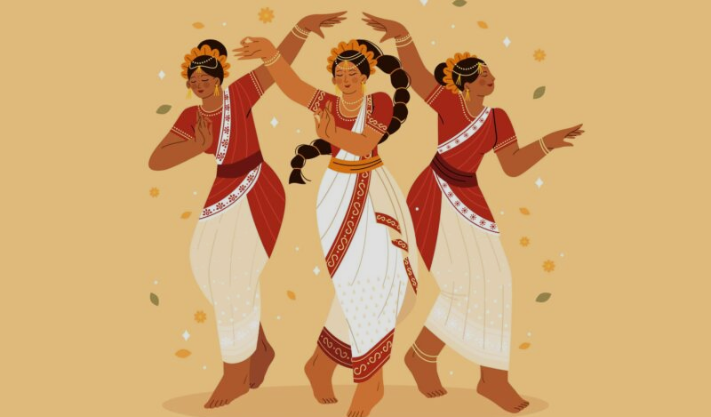
For instance, traditional festivals may now be celebrated with modern elements such as digital invitations, social media sharing, and eco-friendly practices. Similarly, traditional art forms are being revived through modern platforms, reaching global audiences.
The key lies in balance—preserving the essence of tradition while allowing room for growth and adaptation.
The Relevance of Tradition Today
In today’s fast-changing world, tradition remains highly relevant for several reasons.
1. Sense of Identity in a Globalized World
Globalization has made the world more interconnected, but it has also led to concerns about cultural homogenization. Traditions provide a sense of identity and uniqueness, helping individuals and communities retain their distinctiveness.
2. Emotional and Psychological Well-Being
Traditions often carry emotional significance. Family rituals, cultural celebrations, and religious practices provide comfort, stability, and a sense of continuity. They can be especially important during times of uncertainty, offering reassurance and familiarity.
3. Connection Between Generations
Traditions serve as a link between generations. They allow older generations to pass on knowledge, values, and experiences to younger ones. This intergenerational connection strengthens family bonds and ensures that cultural heritage is not lost.
4. Inspiration for Creativity and Innovation
Tradition can also inspire modern creativity. Many contemporary artists, designers, and creators draw inspiration from traditional elements, blending them with modern ideas to create something new and unique.
From fashion to architecture, the fusion of tradition and modernity often leads to innovative and meaningful expressions.
Challenges Facing Tradition in Modern Society
While traditions remain important, they also face several challenges in the modern world.
1. Rapid Urbanization and Lifestyle Changes
Urbanization and busy lifestyles often leave little time for traditional practices. Many people, especially younger generations, may feel disconnected from their cultural roots.
2. Influence of Technology
Technology has transformed how people communicate and interact. While it offers new ways to preserve and share traditions, it can also lead to reduced participation in physical cultural activities.
3. Changing Values
As societies evolve, certain traditional practices may conflict with modern values such as equality, freedom, and human rights. This can lead to debates about which traditions should be preserved and which should be reformed or discontinued.
Adapting Tradition for the Future
For traditions to remain relevant, they must adapt to changing times. This does not mean abandoning them but reinterpreting them in ways that align with modern values and lifestyles.
Education plays a crucial role in this process. Teaching younger generations about the significance of traditions can foster appreciation and encourage participation. At the same time, openness to change ensures that traditions do not become rigid or outdated.
Communities can also use technology to their advantage, sharing cultural practices through digital platforms and reaching wider audiences.
Conclusion
Tradition in modern society is not a relic of the past but a living, evolving force that continues to shape our identities, values, and relationships. While the world moves forward with innovation and progress, traditions provide a sense of continuity and grounding.
Rather than viewing tradition and modernity as opposing forces, it is more productive to see them as complementary. By preserving the essence of traditions while adapting them to contemporary contexts, societies can create a harmonious balance between the old and the new.
In doing so, tradition remains not only relevant but essential—offering meaning, connection, and a deeper understanding of what it means to be part of a community in today’s world.
Also Read:-
The 5 Hours a Week That Kill Your Business
Grow faster with a weekly LinkedIn newsletter in 9 steps
Scale Yourself First: The Hidden Challenge of Growing