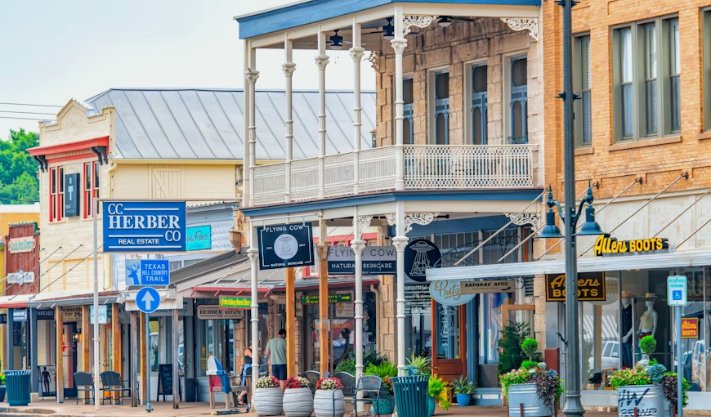
For years, Main Street businesses were written off as casualties of e-commerce, rising costs, and changing consumer habits. Yet as 2026 approaches, a new reality is emerging: small, locally rooted businesses are finding fresh opportunities to thrive. Shifts in consumer behavior, technology, and urban planning are breathing new life into Main Street, making it once again a viable and profitable place for entrepreneurs.
A Changing Consumer Mindset
One of the most important factors driving Main Street’s revival is a renewed preference for local experiences. Consumers increasingly value authenticity, personal service, and community connection—qualities that large chains and online platforms struggle to replicate. In 2026, shoppers are not just buying products; they are buying stories, relationships, and a sense of belonging.
This shift benefits businesses such as specialty retailers, cafés, fitness studios, service providers, and niche food concepts. Customers are willing to pay a premium for quality, convenience, and human interaction, especially when they can support local economies in the process.
Technology as an Equalizer
Technology has leveled the playing field for small businesses. Affordable point-of-sale systems, AI-driven marketing tools, and digital payment platforms allow Main Street entrepreneurs to operate with the efficiency of much larger companies. In 2026, a successful local business is often “phygital”—combining a physical storefront with a strong digital presence.
Online ordering, social media engagement, loyalty apps, and localized advertising help small businesses attract and retain customers beyond foot traffic alone. Technology no longer replaces Main Street; it amplifies it.
Smarter Locations and Lower Barriers
Another advantage for Main Street businesses in 2026 is the evolution of commercial real estate. Many cities and towns are actively re-zoning, offering incentives, and redeveloping downtown areas to encourage small business growth. Flexible lease terms, mixed-use developments, and shared spaces reduce startup costs and risk.
Smaller footprints and multi-use spaces allow entrepreneurs to test concepts without committing to large overhead. Pop-ups, co-retail spaces, and short-term leases provide valuable opportunities to refine offerings before scaling.
Community and Experience Drive Revenue
Profitability on Main Street increasingly comes from experience, not just transactions. Businesses that host events, workshops, tastings, or community gatherings build stronger customer loyalty and generate repeat visits. These interactions transform stores into destinations rather than just points of sale.
Partnerships with neighboring businesses also play a critical role. Cross-promotions, local collaborations, and community initiatives create ecosystems that benefit everyone involved. In 2026, success is often shared rather than isolated.
Financial Discipline and Niche Focus
While opportunities abound, profitability still depends on disciplined execution. The most successful Main Street businesses are sharply focused on their niche, managing inventory carefully, and maintaining healthy margins. Rather than trying to serve everyone, they serve a clearly defined customer extremely well.
Data analytics—once reserved for large corporations—now help small business owners understand purchasing patterns, optimize pricing, and control costs. Financial literacy and adaptability are essential skills for today’s entrepreneurs.
Looking Ahead
Building a profitable small business on Main Street in 2026 is not only possible—it is increasingly realistic. Entrepreneurs who blend local authenticity with modern tools, prioritize experience, and stay financially disciplined can outperform expectations. Main Street’s future belongs to those who see it not as a relic of the past, but as a platform for innovation, connection, and sustainable growth.
In a world of automation and digital overload, Main Street’s human touch may be its most powerful competitive advantage.
Published: 8th January 2026
For more such articles, please follow us on Twitter, Linkedin & Instagram
Also Read:
What U.S. Real Estate Leaders Can Learn From Dubai
10 Principles to Build Profitable Business Without Investors
Top Board Solutions for Small Businesses to Improve Governance