By Maxim Lukyanov, Co-Founder and CEO of NEMAX
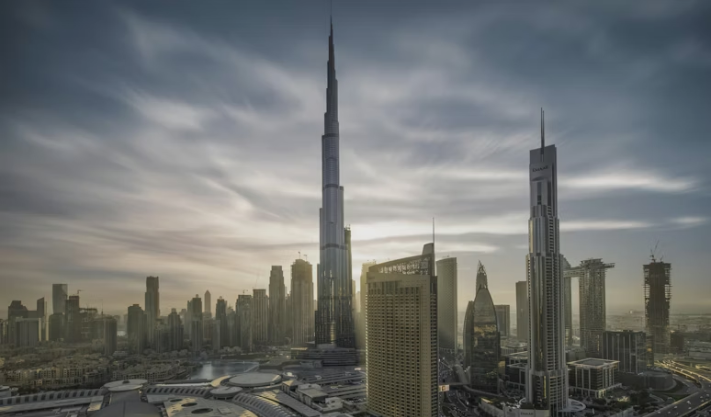
In my view, Dubai shows that when rules, incentives and execution work together, real estate becomes more than just property—it becomes a strong driver of the economy. I believe Dubai’s real estate boom comes from clear government policies and a unique economic system. U.S. real estate leaders can learn a lot from Dubai, especially about regulations, fast construction and the luxury market.
The U.S. still has plenty of money, skilled professionals and strong demand. However, without major reforms, I believe investors may start moving their money to markets that work faster and more efficiently. The difference is clear when we compare how the U.S. and Dubai handle rules, project approvals and investor protection.
Key Differences Between the U.S. and Dubai Markets
Dubai’s real estate market is growing rapidly. Knight Frank reported a record 169,000 property deals in 2024, worth 367 billion dirhams. Forbes Middle East reported that total real estate transaction values rose by 20% in 2024. By April 2025, Property Monitor data showed more than 63,000 sales so far this year—over 30% higher than the same period in 2024.
These strong results come from a system designed to reduce delays and hold developers accountable.
Regulations
Dubai’s system makes it risky for developers to delay or abandon projects. Under Decree No. 33 of 2020, a Special Tribunal can resolve disputes involving unfinished or cancelled projects. It can even transfer a project to another developer and return buyers’ money held in escrow.
Law No. 8 of 2007 also introduced strong investor protection rules, including mandatory escrow accounts. The U.S. uses a similar system, where buyers’ money is released only after all contract terms are met.
For large, government-backed developers in Dubai, reputation is extremely important. Based on my experience, leading developers focus on finishing projects on time—or early—because delays cost both money and trust.
Dubai’s real estate market is controlled by one main authority, the Dubai Land Department, along with its regulator, the Real Estate Regulatory Agency. In the United States, there is no single regulator. Instead, developers must follow many different laws at the federal level, such as the Fair Housing Act and the Clean Water Act. In some cases, they must also meet rules set by the Securities and Exchange Commission, depending on how they raise money. In addition, each U.S. state has its own real estate rules. This split system can make the process slow and may cause construction delays.
The Luxury Segment
Dubai’s luxury property market is performing very well, especially for homes priced above $10 million. According to Bloomberg, property values in this segment have increased by 70% since the end of 2019.
In the U.S., the luxury real estate market is also strong, but prices have been slowly declining. Owning a luxury home in the U.S. can be costly to maintain. On average, maintenance costs are about 5% of the property’s value each year. For example, a $3 million home could cost around $150,000 per year to maintain. In Dubai, maintenance costs may be lower for some investors, although luxury buildings still charge service fees that depend on the location and facilities.
Digitalization
The Dubai Land Department and Prypco Mint have launched a new project that allows real estate tokenization. This means a property can be divided into small digital shares. Investors buy these shares using blockchain technology. By selling smaller portions, a property can attract more investors and possibly reach a higher total value. Investors expect their shares to increase in value and sell them later for profit.
The first property on this platform, a two-bedroom apartment, was fully funded in just one day. It attracted 224 investors, with an average investment of 10,714 dirhams.
In the U.S., a similar system could help grow the resale market and attract younger investors. However, real estate tokenization is still a small and developing market.
Residency
The U.S. does not give residency to people who buy expensive property. Dubai is different. It offers a 10-year residency under its Golden Visa program. Real estate investors can get this visa if they buy property worth at least 2 million dirhams (about $550,000).
What U.S. Real Estate Leaders Can Learn
The main lesson from Dubai is not about luxury buildings or bold designs. It is about how the system works. Developers can focus on faster project delivery and better control of costs. Investors should look for markets with clear rules, protected buyer funds, and strict timelines. Lenders and private credit firms can see that stable and predictable systems often give better returns than high risk and heavy borrowing.
Gulf countries also face challenges. Private credit markets are still developing, and there are not enough clear and transparent financing options for buyers and mid-sized developers. This is where the U.S. has an advantage. A strong private capital system helps bridge the gap between banks and equity investors.
For U.S. real estate leaders, the real question is not whether Dubai’s model is worth learning from. The real question is whether they can adapt fast enough to stay competitive in a global real estate market.
Published: 8th January 2026
For more such articles, please follow us on Twitter, Linkedin & Instagram
Also Read:
10 Principles to Build Profitable Business Without Investors
Top Board Solutions for Small Businesses to Improve Governance
Traditional Marketing Mix Fails in Modern Commerce Era