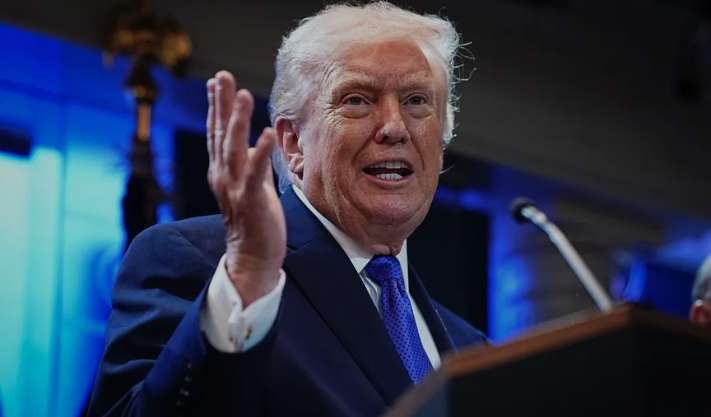
President Donald Trump and Treasury Secretary Scott Bessent are now uncertain about refunding about $175 billion in tariff money to businesses. This comes after the Supreme Court of the United States ruled that Trump’s main tariff policy was illegal.
Before the ruling, the government had said in court that it would refund businesses if the tariffs were struck down. Now, however, Trump officials suggest they may fight the refunds in court, which could delay payments for months or even years.
What Did the Supreme Court Decide?
On Friday, the Supreme Court ruled 6–3 that Trump’s broad tariffs under the International Emergency Economic Powers Act (IEEPA) were unlawful. The court said that IEEPA does not give presidents the power to impose tariffs.
Because the court said the tariffs were illegal from the start, many businesses believe they should get their money back. The ruling did not directly mention refunds, but it opened the door for companies to request repayment of the tariffs they already paid.
Trump’s Response
After the ruling, Trump suggested that the refund issue would likely be decided in more court battles. He said it may take “the next two years” of litigation. Bessent also avoided giving a clear answer. In an interview with CNN, he said he did not want to get ahead of the courts and that the issue could take weeks or months to sort out.
This is different from what the government argued earlier in court.
What the Government Previously Promised
Before the Supreme Court’s decision, the Justice Department told courts that it would refund businesses if ordered to do so. Lawyers said clearly that they would not object to court-ordered refunds if the tariffs were found unlawful.
The government used this promise to convince judges not to stop the tariffs while the case was being reviewed. Because officials promised refunds later if needed, some courts agreed to keep the tariffs in place during the legal process.
In December, the United States Court of International Trade said companies were not at risk of serious harm while waiting. The court pointed out that the government had taken a strong position that refunds would be available after a final decision.
Companies Are Filing Lawsuits
More than 1,000 companies have already filed cases with the Court of International Trade asking for refunds. Shipping company FedEx is one of the latest big firms to file a lawsuit.
These cases will now move forward. However, legal experts say the process may take a long time, especially if the government fights the refund claims.
Trade lawyer Robert Shapiro told Forbes that it could take about a year to resolve the refund process. If the government appeals decisions or raises new legal arguments, it could take even longer.
Could the Government Still Fight Refunds?
Although the government clearly promised refunds in court documents, it left some room to argue later. In one January filing, the administration said it “reserves the right” to challenge specific refund complaints.
Government lawyers also said refunds would only happen after a “final and unappealable decision.” Some legal experts believe this phrase could be used to delay payments. The government might argue that as long as there is a chance of appeal, the decision is not final.
If that happens, the dispute over refunds could return to higher courts, possibly even back to the Supreme Court.
Still, many legal experts believe businesses have a strong case. Trade attorney Kelsey Christensen said there was never any legal basis for collecting the tariffs if IEEPA did not allow them. The Court of International Trade also warned that the government cannot change its position after benefiting from promising refunds earlier.
How Would Refunds Work?
It is still unclear exactly how the refund process will happen. Experts believe the government will not automatically return the money.
Instead, companies will likely need to file paperwork and go to court to request refunds. That means businesses must take action and follow proper legal steps to recover their money.
Some Democratic lawmakers have proposed bills that would force automatic refunds. However, those bills are not expected to pass at this time.
Because of this, companies will probably need to continue filing individual cases in court. This could create a long legal process for everyone involved.
What About Consumers?
Most likely, consumers will not receive refunds directly. The money would go back to the companies that paid the tariffs, not to customers who may have faced higher prices.
Some businesses may choose to return money to other companies they work with. However, individual consumers have limited power to demand repayment.
There is still a possibility that consumers could file class-action lawsuits. In those cases, they could argue that if a company raises prices because of tariffs and later gets a refund, the extra money should also be returned to customers. Whether this happens will depend on each company and how they handle their pricing.
Some companies have already suggested they may lower prices if they receive refunds. For example, baby products company The Baby’s Brew said it might reduce prices if its tariff fees are returned.
However, Trump has promised to introduce new tariffs to replace the ones struck down by the court. If new tariffs are put in place, some companies may continue keeping prices higher.
What Happens Next?
The refund issue is far from settled. Although the Supreme Court ruled the tariffs illegal, it did not clearly explain how refunds must happen.
Now, businesses are turning to lower courts to request their money back. At the same time, Trump administration officials are signaling that they may challenge or delay the process.
The final outcome will depend on future court decisions. For now, businesses must prepare for what could be a long legal battle before they see any refunds.
Published: 25th February 2026
For more such articles, please follow us on Twitter, Linkedin & Instagram
Also Read:
5 AI Agent Platforms Every Business Leader Should Know
10 powerful lessons freelancers learn from rejection
8 Powerful Books Every Intrapreneur Should Read