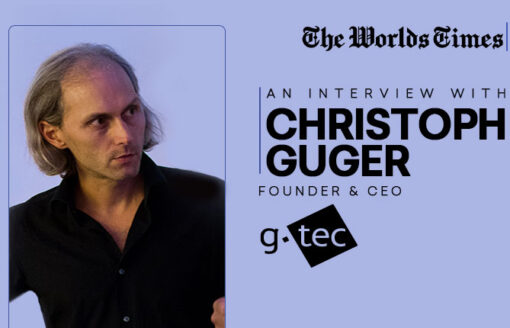
Dr. Christoph Guger Interview
About cortiQ
g.tec medical engineering GmbH is a neurotechnology company focused on developing advanced brain-computer interface (BCI) solutions that translate neural signals into meaningful, real-world applications. The company combines neuroscience, biomedical engineering, and artificial intelligence to create systems that enable communication, cognitive enhancement, and adaptive human-machine interaction. By transforming complex brain activity into actionable digital outputs, cortiQ is helping bridge the gap between human cognition and intelligent technology.
cortiQ is important because it represents the shift of BCI technology from research laboratories into practical, scalable solutions that improve lives. cortiQ allows neurosurgeons and neurologist to find the most important centers in the brain before a tumor or epilepsy surgery. This is very important for the patient, because the neurosurgeon can spare these important regions and resect more precisely producing a better outcome for the patient. This means patients live longer or still speak normally, more their hands and legs normally…
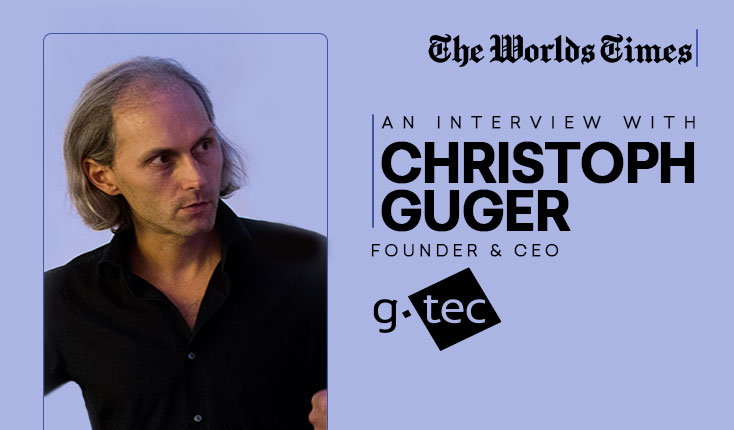
Dr. Christoph Guger Interview
Dr. Christoph Guger is at the forefront of brain-computer interface (BCI) research and commercialization. As founder and CEO of cortiQ, he drives development of cutting-edge neural technology that bridges human cognition and machine intelligence. With decades of experience in neurotechnology, biomedical engineering, and translational research, Dr. Guger champions solutions that enhance human potential while maintaining safety, ethics, and real-world impact.
From Neuroscience to Neurotechnology Entrepreneurship
We started the interview by asking, “Dr. Guger, what inspired you to dedicate your career to brain-computer interfaces and neurotechnology?”
Dr. Christoph Guger replied, “My interest in BCIs began with a fascination for how the brain encodes information and how we might harness those signals to improve lives. Early in my academic work, I saw the potential for neural interfaces not just as research tools, but as transformative technologies for communication, rehabilitation, and human-machine collaboration.
What truly motivated me was seeing how BCIs could empower individuals with neurological limitations. Helping someone communicate or control assistive devices using their own neural activity is profound. That core mission to create technology that augments human capability with dignity and purpose continues to shape everything we do at cortiQ.”
Bridging Science and Product Innovation
The Worlds Times: cortiQ focuses on translating BCI research into practical solutions. How do you see this evolution shaping the industry?
Dr. Christoph Guger replied, “Brain-computer interfaces are maturing from lab curiosities into real products because we now better understand neural signals, algorithms, and user experience requirements. At cortiQ, we emphasize robustness, usability, and clinical relevance. It’s not enough to capture brain activity we have to interpret it accurately and integrate it into workflows that are meaningful for end users.
Our work spans assistive communication, cognitive enhancement, and adaptive human-machine interaction. These applications demand systems that are reliable outside controlled environments and easy to adopt. That’s where engineering meets empathy designing BCIs that truly serve human needs.”
Lessons from Cross-Disciplinary Collaboration
The Worlds Times: You’ve collaborated with clinicians, engineers, and technology partners worldwide. What lessons have these experiences taught you?
Dr. Christoph Guger replied, “BCI innovation thrives on collaboration. No single discipline has all the answers neuroscience, clinical practice, signal processing, hardware design, and user experience must converge. Working with neurologists and therapists taught me the real challenges patients face working with engineers emphasized the importance of scalable, robust systems.
Another key lesson is patience. Translating research into products requires rigorous validation, regulatory understanding, and deep respect for safety. But these efforts pay off when technology makes a tangible difference in someone’s life.”
Balancing Innovation, Ethics, and Safety
The Worlds Times: How do you balance rapid innovation with ethical responsibility in neurotechnology?
Dr. Christoph Guger replied, “Ethics and safety are intrinsic to neurotechnology not afterthoughts. When we work with signals that originate from the brain, we carry a responsibility to protect user autonomy, privacy, and wellbeing. At cortiQ, we build systems with transparency, data protection, and user consent at the core.
Innovation should enhance human agency, not compromise it. We engage with ethicists, clinicians, and regulators early and often to ensure our solutions respect individual rights and societal norms.”
Real-World Impact and Future Opportunities
The Worlds Times: What do you see as the biggest opportunities and challenges for BCI technology over the next decade?
Dr. Christoph Guger replied, “The biggest opportunity lies in making BCIs widely accessible and genuinely useful. Beyond clinical populations, there is potential for BCIs in education, rehabilitation, and even creative expression. As algorithms improve and hardware becomes more comfortable and affordable, adoption will grow.
The primary challenge remains complexity neural signals vary widely across individuals and contexts. Building systems that are both accurate and adaptable is hard. But with continued research, better data, and interdisciplinary approaches, we can unlock new forms of human-machine partnership.”
Leadership and Vision at cortiQ
The Worlds Times: What leadership philosophy guides you as cortiQ scales and innovates?
Dr. Christoph Guger replied, “My leadership is rooted in curiosity, integrity, and collaboration. We encourage open dialogue, rigorous testing, and a shared commitment to impact. In a field as complex as BCI, diverse perspectives lead to better solutions. I strive to create an environment where teams are empowered to take smart risks, learn quickly, and stay aligned with our mission to improve lives through neurotechnology.”
The Strategic Role of Neurotechnology
Finally we asked, “How do you see the role of companies like cortiQ in the broader technology landscape?”
Dr. Christoph Guger replied, “Neurotechnology will become a vital pillar of future human-computer interaction. As boundaries between biology and technology blur, firms that prioritize ethics, reliability, and real user benefit will lead. cortiQ aims to be one of those trusted innovators developing BCI platforms that are safe, sustainable, and capable of enhancing human potential.”
Connect with Dr. Christoph Guger on LinkedIn
https://www.linkedin.com/in/christoph-guger/
Also Read:
Gayle Printz Redefines Modern Abstract Art Worldwide
Milan RAŠKOVIĆ’s Architectural Vision
Zarine Manchanda: Compassion in Action