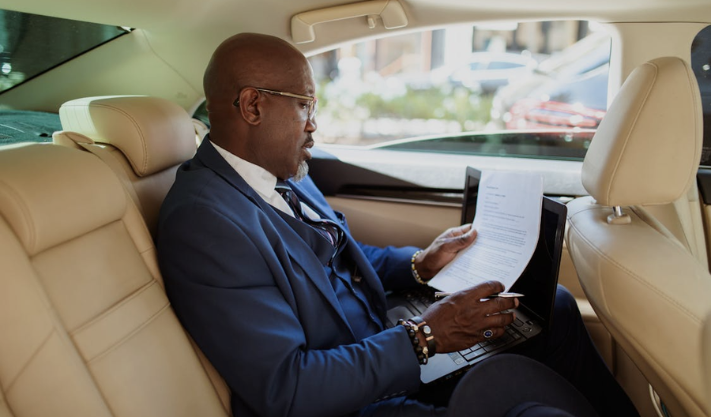
The modern workforce is no longer confined to office walls or even a single location. With the rise of remote work, hybrid models, freelancing, and global teams, employees are increasingly mobile—working from home, co-working spaces, airports, and across time zones. While this flexibility offers tremendous benefits, it also presents unique challenges for leaders. Managing a workforce that’s always on the move requires a shift in mindset, tools, and leadership style.
Below are key strategies to help leaders effectively guide, engage, and support a mobile workforce.
1. Prioritize Clear and Consistent Communication
When teams are dispersed, communication becomes the backbone of productivity. Unlike traditional office environments where quick in-person clarifications are possible, mobile teams rely heavily on digital communication.
Leaders must establish clear communication protocols—what channels to use, expected response times, and when to escalate issues. Regular check-ins, whether through video calls or messaging platforms, help maintain alignment and reduce misunderstandings.
Clarity is equally important. Leaders should communicate goals, expectations, and feedback in a concise and structured manner. Overcommunication is often better than undercommunication in remote settings.
2. Focus on Outcomes, Not Activity
One of the biggest mistakes leaders make with mobile teams is trying to monitor activity instead of measuring results. In a flexible work environment, employees may work at different hours or from various locations.
Effective leaders shift their focus to outcomes—what is being delivered rather than how or when the work is done. This approach builds trust and empowers employees to manage their own schedules while staying accountable.
Setting clear KPIs (Key Performance Indicators) and deliverables ensures that everyone understands what success looks like, regardless of where they are working from.
3. Build Trust Through Autonomy
Trust is the foundation of any successful mobile workforce. Without physical oversight, leaders must rely on their teams to act responsibly and stay committed.
Micromanagement can quickly erode trust and morale. Instead, leaders should provide autonomy while offering support when needed. Encourage employees to take ownership of their work and make decisions independently.
Trust is built over time through transparency, reliability, and open dialogue. Leaders who demonstrate trust often receive it in return.
4. Leverage the Right Technology
Technology is the enabler of a mobile workforce. From collaboration tools to project management software, the right tech stack ensures seamless coordination.
Leaders should invest in tools that facilitate communication, file sharing, and task tracking. Video conferencing platforms help maintain face-to-face interaction, while cloud-based systems allow access to information from anywhere.
However, it’s important to avoid tool overload. Too many platforms can create confusion. Choose a streamlined set of tools and ensure everyone is trained to use them effectively.
5. Foster a Strong Team Culture
Maintaining a sense of belonging can be challenging when employees are not physically together. Yet, culture plays a crucial role in engagement and retention.
Leaders should intentionally create opportunities for connection—virtual team-building activities, informal check-ins, and recognition of achievements. Celebrating milestones and encouraging peer interaction helps build camaraderie.
A strong culture is rooted in shared values, mutual respect, and inclusivity. Leaders must model these behaviors consistently.
6. Adapt to Time Zone Differences
Global teams often operate across multiple time zones, which can complicate collaboration. Leaders need to be mindful of scheduling meetings and deadlines that accommodate everyone.
Asynchronous communication becomes essential. Instead of expecting immediate responses, teams can use shared documents, recorded updates, and task boards to stay aligned.
Rotating meeting times can also ensure fairness, so the same group isn’t always inconvenienced. Respecting personal time fosters a healthier work-life balance.
7. Provide Continuous Feedback and Support
In a mobile work environment, employees may feel disconnected or uncertain about their performance. Regular feedback helps bridge this gap.
Leaders should provide both constructive and positive feedback frequently—not just during formal reviews. One-on-one meetings are an opportunity to address concerns, discuss goals, and offer guidance.
Additionally, providing access to resources, training, and mentorship ensures employees continue to grow and feel supported.
8. Encourage Flexibility While Setting Boundaries
Flexibility is a major advantage of a mobile workforce, but it can also lead to burnout if boundaries are not clearly defined. When work can happen anytime, it can feel like it happens all the time.
Leaders should encourage employees to set boundaries around their working hours and respect those boundaries. Promoting a healthy work-life balance leads to higher productivity and well-being.
At the same time, leaders must establish clear expectations regarding availability for critical tasks or meetings.
9. Develop Strong Leadership Presence Virtually
Leading a mobile workforce requires a strong virtual presence. Without physical interaction, leaders must be more intentional in how they show up.
This includes being responsive, approachable, and visible through regular updates and interactions. Video calls can help humanize communication, while written messages should convey clarity and empathy.
Leaders who maintain a consistent and authentic presence build stronger connections with their teams.
10. Embrace Diversity and Inclusion
A mobile workforce often brings together individuals from different cultures, backgrounds, and perspectives. This diversity can be a powerful advantage if managed well.
Leaders should foster an inclusive environment where everyone feels valued and heard. Encouraging diverse viewpoints leads to better decision-making and innovation.
Cultural sensitivity and awareness are essential, especially in global teams. Leaders must ensure that communication and practices are respectful and inclusive.
Conclusion
Leading a workforce that’s always on the move is both a challenge and an opportunity. It requires a shift from traditional management practices to a more flexible, trust-based, and technology-driven approach.
By prioritizing clear communication, focusing on outcomes, building trust, leveraging the right tools, and fostering a strong culture, leaders can successfully navigate the complexities of a mobile workforce. Ultimately, the goal is to create an environment where employees feel empowered, connected, and motivated—no matter where they are.
As the nature of work continues to evolve, leaders who adapt to these changes will not only keep pace but also gain a competitive advantage in attracting and retaining top talent.
Also Read:-
Top 3 Priorities for Small Businesses in 2026
Abu Dhabi’s Industrial Transformation
Enterprise intelligence goes beyond search