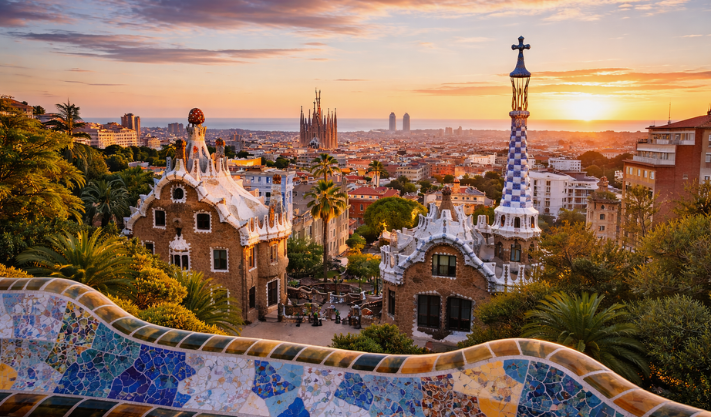
The global luxury housing market is facing a pivotal moment in 2025. As economic trends shift and high-net-worth individuals reevaluate their investment strategies, the big question remains: Is the luxury housing sector on the edge of a boom or heading for a bust?
Rising Demand in Prime Cities
Luxury real estate markets in major global cities such as Dubai, New York, London, Singapore, and Paris have shown resilience in the first half of 2025. With ultra-rich buyers from Asia and the Middle East investing in second homes, the demand for high-end properties continues to climb. According to recent reports, luxury property prices in Dubai surged by over 15% in the first quarter, driven by favorable tax policies, golden visa programs, and investor-friendly reforms.
Similarly, Singapore and Miami have emerged as hotspots, with tech entrepreneurs and crypto investors seeking safe havens for capital diversification. These cities are benefiting from strong infrastructure, political stability, and appealing lifestyle amenities, key factors influencing luxury real estate decisions in 2025.
Market Corrections in Some Regions
However, not all markets are seeing upward trends. Luxury housing prices in San Francisco and Hong Kong have softened due to oversupply, high interest rates, and declining investor confidence. Wealthy buyers are becoming more cautious, waiting for price corrections before committing to large purchases.
In markets like London, uncertainty related to interest rate movements and regulatory changes has slowed down transaction volumes. Analysts suggest that unless mortgage rates ease significantly, the luxury housing market in the UK may remain flat through the end of the year.
Tech & Sustainability Shape Buyer Preferences
Another defining trend in 2025 is the increasing demand for smart homes and sustainable luxury properties. Energy-efficient villas, eco-friendly penthouses, and properties with green certifications are not only attracting environmental-conscious buyers but also offering better long-term value.
Home automation, AI-based security systems, and wellness-centric amenities such as private spas and indoor gyms have become essential for luxury buyers. These features are now seen as necessities, not just perks, in the post-pandemic world.
Global Uncertainty: A Double-Edged Sword
Geopolitical instability and volatile global markets in 2025 are influencing luxury housing in complex ways. While some wealthy individuals are offloading assets to stay liquid, others are investing more in real estate, viewing it as a tangible and safe store of value.
Experts believe the luxury housing sector is currently at a crossroads. “It’s neither a boom nor a bust — it’s a transition,” says real estate analyst Maya Collins. “The winners in 2025 will be the developers and investors who focus on niche segments: ultra-luxury, sustainable homes, and emerging luxury hubs.”
Final Thoughts
In conclusion, the luxury housing market in 2025 isn’t experiencing a universal boom or a dramatic bust. Instead, it’s undergoing a strategic reshuffling. Global demand remains strong, but success will depend on smart investing, location analysis, and aligning with the new priorities of luxury buyers.
Published: 22nd July 2025
For more such articles, please follow us on Twitter, Linkedin & Instagram
Also Read:
10 Hot New Las Vegas Restaurants & Bars to Try Now
The Future of Oil: Global Energy Demand Forecast
2025’s Best Scotch Named by International Whisky Contest