In a sudden and important move, the United States and Iran have decided to stop fighting for now. Both countries have agreed to a temporary ceasefire for two weeks. This means they will not carry out military attacks during this time.
This decision came at the last moment, just before the U.S. was expected to start major attacks on Iran. Because of this, the situation quickly changed from possible war to peaceful talks. Many countries feel some relief, but there is still a lot of doubt about what will happen next.
Here is a simple explanation of what is happening and why it matters.
Trump Stops Attacks at the Last Moment
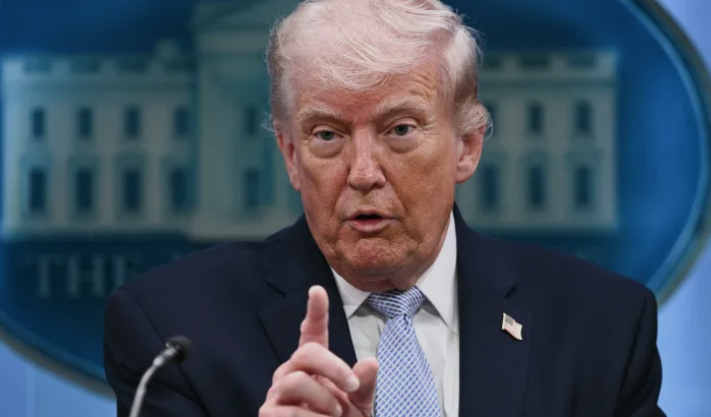
U.S. President Donald Trump said that the United States will stop all military actions against Iran for two weeks.
This decision was made just about 90 minutes before a deadline, when the U.S. was likely to begin new attacks on Iran.
Trump said this is a two-sided agreement, meaning both the U.S. and Iran will stop attacking each other during this time.
Iran Agrees, But Sets Conditions
Iran has agreed to the ceasefire, but it has added some conditions.
Iranian leaders said this is only a temporary pause, not the end of the war. They warned that fighting could start again if the agreement is broken.
One main condition is reopening the Strait of Hormuz, an important sea route.
Iran has said it will allow ships to pass again, but under control and monitoring. This shows Iran is willing to reduce tensions for now.
Why the Strait of Hormuz Is Important
The Strait of Hormuz is a narrow waterway where a large part of the world’s oil passes every day.
If this route is blocked, oil prices can rise quickly, and it can affect many countries.
Recently, when the strait was not fully open, oil prices increased and people worried about the global economy.
Now, reopening it is a big step toward stability.
Pakistan Helped Bring Both Sides Together
Pakistan played an important role in this ceasefire.
Leaders from Pakistan helped the U.S. and Iran talk to each other and find a temporary solution.
Because of this effort, both countries agreed to stop fighting and think about peaceful talks.
This shows how other countries can help reduce big conflicts.
A 10-Point Plan for Future Peace
The ceasefire is not just about stopping attacks. It may lead to bigger talks.
Iran has shared a 10-point plan for a long-term agreement.
This plan may include:
- Reducing U.S. sanctions
- Providing security guarantees
- Discussing nuclear issues
U.S. officials say this plan could be a starting point, but many details are still unclear.
Fighting Has Not Fully Stopped
Even after the ceasefire announcement, fighting has not completely stopped everywhere.
Some reports say small attacks continued for a short time. This can happen because it takes time for orders to reach all military forces.
Also, some groups involved in the conflict may not fully follow the ceasefire.
Israel’s Role Makes the Situation Complex
Israel is also involved in the wider conflict.
Israel has agreed to the ceasefire, but only in a limited way.
It may stop actions related to Iran, but it can continue military operations in other places like Lebanon.
This means some fighting in the region may still continue.
Global Markets Show Positive Reaction
The ceasefire news had a quick effect on global markets.
- Oil prices went down
- Stock markets went up
This shows that people feel hopeful that the situation may improve.
Reopening the Strait of Hormuz is very important for keeping oil supply steady and reducing economic problems.
Many Experts Still Have Doubts
Even with this positive news, many experts are still worried.
They say:
- Similar ceasefires have failed before
- The U.S. and Iran do not trust each other
- Big problems are still not solved
Some believe both sides may be using this break to prepare for future actions instead of making real peace.
What Will Happen in the Next Two Weeks?
The next 14 days are very important.
During this time, talks may begin, possibly in Islamabad.
Leaders will try to turn this short ceasefire into a long-term agreement.
Main topics will likely include:
- Iran’s nuclear program
- U.S. sanctions
- Security in the region
- Ways to prevent future war
The success of these talks will decide what happens next.
This Is a Pause, Not the End of War
Right now, this ceasefire is just a break in fighting, not the end of the conflict.
Both countries are still careful and ready for any situation.
The main problems between them are still not solved.
The ceasefire is:
- Temporary
- Conditional
- Not fully stable
Iran has clearly said this is not the end of the war.
Final Thoughts
The U.S. stopping attacks and Iran agreeing to a two-week ceasefire has created a chance for peace talks.
This is an important moment, but the future is still uncertain.
If talks go well, this could lead to peace. But if they fail, fighting could start again.
For now, the situation is calm, but not fully safe.
The world is watching closely to see what will happen next.
Also Read:-
Has the war ended? 10 things to know about the US-Iran ceasefire
Scaling a Service Business: 7 Lessons on People
What It Takes to Scale a Business and Earn Customer Trust