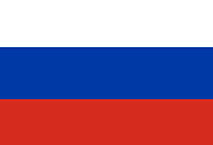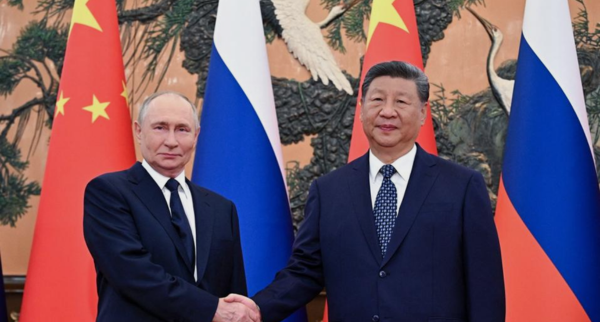
Many believed that Trump’s recent meetings with Putin in Alaska and Zelenskyy in Washington signaled real progress toward peace in the four-year-long war in Ukraine. But peace talks between Russia, Ukraine, the US, and Europe are stalled—if not completely dead. Disagreements remain over security issues and, most of all, trade sanctions. Instead of slowing down, Putin has increased military strikes, ignoring Trump’s deadlines for peace negotiations. At China’s September 3rd military parade—marking 80 years since its World War II victory over Japan—Putin and Xi Jinping stood together, sending a strong message to Trump: tariffs and pressure will not stop them from shaping a new global order.
Since the start of the Ukraine war, the US and Europe have tightened sanctions on Russia and its trade partners. These sanctions aim to cut Russia off from the global economy, including through “secondary sanctions” that target other countries helping Russia trade. Over the last year alone, the US Treasury’s Office of Foreign Assets Control (OFAC) has imposed sanctions on more than 400 individuals and entities across 17 countries. This has pushed Russia to rely heavily on China to keep its wartime economy afloat, especially for selling crude oil—its most valuable export.
In the past five years, China has become Russia’s biggest oil customer, buying almost half of its exports. Trade between the two countries reached $244.8 billion in 2024, driven by Western sanctions and war needs. Beyond oil, China sells Russia cars, semiconductors, and consumer goods. Most of their trade now happens in rubles and yuan rather than dollars or euros—about 90% as of December 2024. By comparison, in early 2022, most Russian trade used the dollar or euro.
China has also quietly supported Russia’s war effort. Reports link Chinese companies to shipments of rare materials like gallium, germanium, and antimony—key for making missiles and drones—while banning these exports to the US. This raises a key question for analysts: Is Russia’s dependence on China just a temporary wartime strategy, or the start of a long-term shift in global alliances?
Russia’s Past Response to Western Pressure
This isn’t the first time Russia has faced Western sanctions. In 2014, after Russia annexed Crimea, the West restricted its access to global finance, energy markets, and defense industries. Major companies like Exxon, BP, and several Western banks pulled out of Russia. In response, Russia turned toward China, signing deals like the Power of Siberia gas pipeline and developing its own financial systems (such as Mir and SPFS) to bypass Western banking. These earlier moves set the stage for Russia’s current push to partner more deeply with China as a counterbalance to Western economic pressure.
In 2018, when Russia faced lighter sanctions during the Salisbury chemical attack and accusations of election interference and cyber crimes, it still pushed harder on reducing its reliance on the US dollar. Russia did this by boosting its gold reserves and trading in different currencies. This strategy goes back to the Cold War, when the US restricted technology exports through CoCom. Back then, the Soviets adapted by trading with neutral countries and depending on the Eastern Bloc.
The main lesson is that whenever pressure is applied, Russia finds ways around it, usually outside Western systems. This shows that Russia’s closeness with China is not just out of need—it is part of a longer shift that has been building for decades. Trade data supports this: China has overtaken Germany and the US as a top trade partner. Still, history shows that when sanctions are lifted, Russia quickly reopens ties with Europe and the West. For example, after the 2014 Crimea annexation, Russian imports from Germany rebounded. This means Russia’s current tilt toward China may last for now, but it is not permanent.
Implications
Energy sector – Energy is the key part of Russia’s shift toward China. With the Nordstream pipelines destroyed and Europe moving to new suppliers, Russia has been cut off from much of its old energy market. At the same time, it is strengthening its eastward energy links through the Power of Siberia pipelines, creating a lasting divide in global energy markets.
Europe has already reduced its reliance on Russian energy, replacing it with supplies from the US, Norway, and Libya. Even after the war, Europe’s new energy setup makes it unlikely that Russia will regain its old dominance. This also gives Europe a chance to grow renewable energy and nuclear power, further shrinking Russia’s role in the market.
On the other side, Russia is turning more to Asia, especially China, for oil and gas sales. China now buys the largest share of Russian energy. This is creating Cold War-style trade blocs, where global markets split into separate spheres instead of staying interconnected. This split makes energy pipelines and LNG terminals not just economic projects, but also strategic tools.
De-dollarization trend – Another major change is in finance. Russia and China are settling more trade in rubles and yuan, while sanctions cut them off from Western markets. By doing this, they are protecting themselves from Western financial pressure and building alternative financial systems. This gives them a chance to expand influence in the Global South by promoting non-dollar trade, especially for energy and advanced goods. If successful, this weakens the dollar’s dominance and moves the world closer to a multipolar financial system.
Published: 4th September 2025
For more such articles, please follow us on Twitter, Linkedin & Instagram
Also Read:
Top 2025 Beauty Trends You Need to Try This Season
Xi, Putin, Kim unite—Trump warns of threat to America
HBO’s ‘Harry Potter’ Finally Brings Back an Original Movie Actor