YouTube says that Australia’s new law to ban children under 16 from using social media has been made too quickly and will actually make the internet less safe for kids. The company says that when the ban starts on 10 December, young people will lose important safety tools that parents currently use to protect them.
What YouTube Says Will Happen
According to YouTube, the biggest problem is that children will no longer be able to use a YouTube account. Young people will still be able to watch videos on YouTube, but they must watch without signing in. This means they cannot use features like liking videos, commenting, or uploading their own content. But more importantly, their parents will no longer be able to control what their children see.
YouTube says parents will lose tools such as:
-
Setting content restrictions
-
Blocking certain channels
-
Controlling what type of videos their children can watch
-
Using “take a break” and “bedtime” reminders
These tools only work when a child has a YouTube account. Without an account, those protections disappear. YouTube argues that removing these controls will make children less safe, because they will watch YouTube without any supervision.
Rachel Lord, a senior policy manager from YouTube and Google Australia, said the company has spent over 10 years building strong safety features for families. She said the new law goes against this work and “will not make kids safer online”. She said parents and teachers agree with YouTube’s concerns.
How the Government Responded
However, Australia’s Communications Minister, Anika Wells, strongly disagrees with YouTube. She said it is “outright weird” for YouTube to warn that its own platform is not safe for kids. She added that if YouTube believes children are not safe on the platform, then YouTube should fix that problem.
Wells said that the new Social Media Minimum Age Act is meant to protect Generation Alpha — the children born after 2010. She believes these kids are exposed to too much online content and too many addictive features, like endless scrolling and constant notifications.
She said new technology gives children “constant access” to harmful material and described social media algorithms as “behavioural cocaine” that keep kids hooked for hours. According to her, stronger laws are necessary to prevent tech companies from using these designs to capture young people’s attention.
Why YouTube Lost Its Exemption
Earlier this year, YouTube had been told it would not be part of the social media ban. But the government changed its mind in July. The eSafety Commissioner said YouTube was the platform where children aged 10 to 15 most often saw harmful content. Because of this, the exemption was removed, and YouTube must now follow the new rules like everyone else.
What Happens on 10 December
From 10 December:
-
Anyone under 16 will be automatically signed out of their YouTube account
-
They will not be able to sign in again
-
They cannot comment, upload videos, or interact with content
-
They can only watch videos without signing in
-
Default wellbeing features that remind children to go to bed or take a break will not work
However, YouTube Kids — the separate child-friendly app — is not banned and will continue to operate normally.
YouTube says the law was rushed and did not allow enough time for consultation or planning. The company says the government did not consider “the real complexities of online safety”. Reports also say that Google, YouTube’s parent company, may consider challenging the law in court.
New Apps Under Investigation
At the same time, Australia’s internet safety regulator is also investigating two new apps popular with teenagers — Lemon8 and Yope. Both apps allow users to share photos and videos. Because teens are downloading them more often, the eSafety Commissioner has asked the companies to check whether they should also be included in the ban.
Why the Government Thinks the Ban Is Needed
Minister Wells believes today’s children face different challenges from older generations. While bullying and harmful content existed before, she said it was limited to certain places or times of day. But smartphones mean that children today are connected around the clock, and harmful content can reach them at any moment.
She said many children are stuck in what she called a “dopamine drip” — a constant flow of online rewards like likes, comments, and notifications that keep them scrolling. She said tech companies design their apps this way on purpose, and the government must take strong steps to protect children.
Wells admitted there may be some problems when the law first takes effect. She said any big change takes time and patience. But she believes the benefits will outweigh the challenges.
What Tech Companies Must Do
Under the new rules:
-
Social media companies must deactivate all accounts belonging to anyone under 16
-
They cannot allow under-16s to create new accounts
-
They must block any workarounds or tricks to avoid the age rules
-
They must report every six months on how many underage accounts they find
-
They can be fined up to A$49.5 million if they do not follow the rules
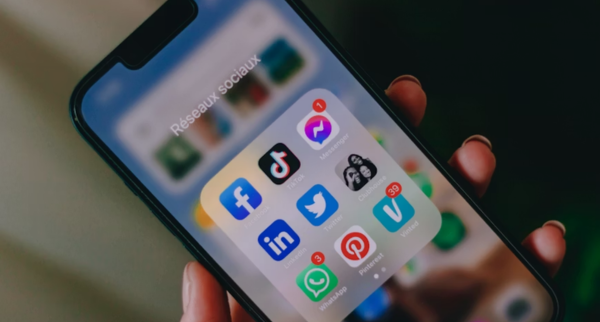
The ban includes major platforms such as:
-
Facebook
-
Instagram
-
TikTok
-
Snapchat
-
X (formerly Twitter)
-
Twitch
-
Threads
-
Reddit
-
Kick
The aim is to reduce the number of underage users and lower the risk of harm.
The Big Debate: Will the Ban Help?
This new law has started a big debate in Australia. Some people say it is necessary to protect children from dangerous content, online predators, and addictive algorithms. They believe tech companies have not done enough to safeguard young users, so the government must step in.
Others say the ban is too strict and does not understand how young people use the internet. They worry that children will still find ways to access social media, but now without any safety tools or supervision. These people argue that education and better parental controls would be more effective than a full ban.
YouTube clearly falls into this second group. The company insists that removing accounts will remove the protections that make the platform safer. Without accounts, YouTube says children will be “less safe, not more safe.”
What Happens Next?
The ban starts on 10 December, and the first few weeks will show how well it works. The government expects some challenges, but says the law is necessary to protect young people from harmful online behaviour. Tech companies must now make major changes and report regularly on how many underage accounts they are dealing with.
Meanwhile, YouTube, parents, educators, and internet safety groups continue to argue about the best way to keep children safe online. The conversation is far from over, and the coming months will reveal whether the new law helps or creates new problems.
Published: 3rd December 2025
For more such articles, please follow us on Twitter, Linkedin & Instagram
Also Read:
7 Everyday Ways AI is Transforming Our Business
‘Zootopia 2’ Shines with $156 Million on Thanksgiving Weekend
The Ritz-Carlton Sarasota Brings Luxury Close to Home