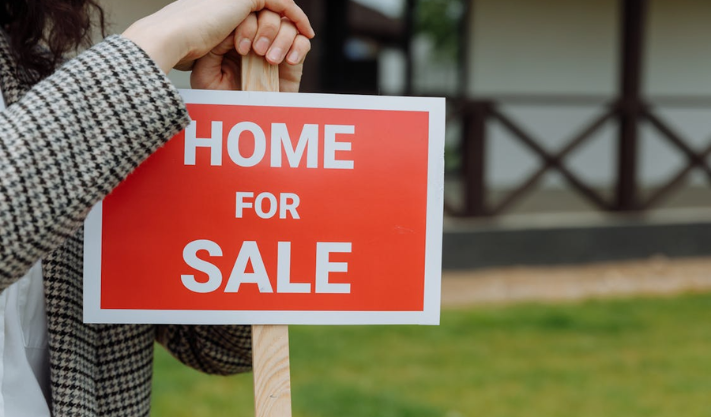
Owning real estate as a business is a major financial decision that can shape the long-term trajectory of your company. While some businesses thrive as landlords of their own properties, others find leasing a more flexible and financially prudent option. The right choice depends on your industry, financial health, growth plans, and risk tolerance. Before committing to a property purchase, it’s crucial to weigh the pros and cons carefully. Here are 12 essential factors to consider when deciding whether your business should own real estate.
1. Financial Stability and Capital Availability
The first question any business must ask is whether it has the financial stability to handle the upfront and ongoing costs of real estate ownership. Purchasing property often requires a significant down payment, closing costs, and potentially higher ongoing expenses for maintenance, taxes, and insurance. Businesses with strong cash flow and reserves are better positioned to absorb these costs without jeopardizing operations.
For companies with limited capital or unpredictable revenue streams, leasing may be a safer option, allowing funds to be allocated toward growth initiatives rather than tying them up in a fixed asset.
2. Long-Term Business Strategy
Owning real estate makes the most sense for businesses with a clear long-term strategy. If your company plans to stay in one location for many years or expand gradually in the same area, property ownership can be a strategic investment. It provides stability and allows you to tailor the space to your specific needs.
On the other hand, if your business model relies on mobility, seasonal operations, or rapid expansion into new markets, owning property can limit flexibility and become a financial burden if relocation becomes necessary.
3. Real Estate Market Conditions
The timing of your purchase can significantly impact the financial success of owning property. Research the local real estate market carefully. In areas where property values are rising steadily, purchasing can offer long-term appreciation benefits. Conversely, in markets with declining property values or high volatility, leasing may be the safer choice.
Consider also the cost of property relative to your business’s potential growth. Overpaying for a property can tie up capital that could otherwise be invested in operations, marketing, or technology.
4. Tax Implications
Business ownership of real estate comes with various tax benefits and responsibilities. Owning property can provide deductions for mortgage interest, property taxes, and depreciation, which can reduce taxable income.
However, property ownership also brings potential tax liabilities, such as capital gains tax when selling the property and ongoing property taxes. Consulting with a tax professional can help you understand whether ownership aligns with your financial strategy.
5. Financing and Interest Rates
Access to financing is a critical factor. Securing a commercial mortgage can be more challenging and often requires higher down payments than residential loans. Interest rates also directly affect the cost of ownership.
Businesses must assess whether they can secure favorable financing terms and whether monthly payments are sustainable over the long term. High interest rates or variable-rate loans can increase risk, especially in uncertain economic conditions.
6. Maintenance and Operational Responsibilities
Unlike leasing, property ownership means your business is responsible for all maintenance, repairs, and upgrades. This can include structural repairs, HVAC systems, plumbing, landscaping, and compliance with safety regulations.
While some businesses enjoy the control that comes with ownership, others may find these responsibilities distracting or costly. Factor in whether your company has the resources to manage property upkeep effectively.
7. Flexibility and Growth Considerations
Leasing offers a level of flexibility that ownership cannot. If your business grows faster than expected or needs to downsize, leased space allows you to adapt without being tied to a fixed asset.
Owning property, by contrast, can limit your ability to pivot. Selling commercial real estate can take time, and market conditions may prevent you from getting the desired value. Ensure your growth plans align with the commitment of ownership.
8. Potential for Appreciation
Commercial real estate can be an excellent long-term investment. Property values generally appreciate over time, offering potential financial gains beyond the operational benefits of occupying the space.
However, appreciation is not guaranteed. Market downturns, changes in the neighborhood, or economic shifts can reduce the value of the property. Weigh the investment potential carefully against the operational needs of your business.
9. Customization and Branding Opportunities
Owning your property gives you the freedom to customize the space to your brand and operational needs. This can improve customer experience, employee satisfaction, and overall efficiency.
Businesses that lease may face restrictions on modifications, limiting branding opportunities or requiring approval for renovations. Ownership can be a strategic tool to reinforce your brand identity physically.
10. Risk Management and Liability
Ownership brings both control and risk. You assume responsibility for structural integrity, environmental issues, and liability for accidents on the property. Insurance coverage is essential, but it may not cover all scenarios.
Consider the potential risks and whether your business is prepared to manage them. Some companies mitigate risk by leasing, which shifts certain responsibilities to the property owner.
11. Exit Strategy
An often-overlooked factor is your exit strategy. How easy will it be to sell the property if the business changes direction or faces financial difficulty? Real estate can take months or even years to sell, depending on the market and property type.
A well-planned exit strategy ensures that property ownership does not become a financial trap. Businesses must evaluate liquidity needs and market conditions before committing to ownership.
12. Impact on Business Valuation
Owning property can positively affect your business valuation, as real estate is a tangible asset that adds to net worth. Investors and lenders may view property ownership as a sign of stability and long-term planning.
However, property can also complicate valuation if it becomes a liability or if market conditions negatively impact its value. Clear financial planning and accounting for property assets are crucial to maximizing benefits.
Conclusion
Deciding whether your business should own real estate is a complex choice that requires careful consideration of financial, operational, and strategic factors. Ownership can provide stability, branding opportunities, and potential long-term investment gains. However, it also comes with significant responsibilities, risks, and reduced flexibility.
By carefully evaluating these 12 essential factors—financial stability, long-term strategy, market conditions, tax implications, financing, maintenance, flexibility, appreciation potential, customization, risk management, exit strategy, and impact on valuation—business owners can make a more informed decision.
Ultimately, the right choice depends on your company’s goals, resources, and appetite for risk. For some businesses, ownership can be a powerful strategic advantage. For others, leasing offers the flexibility and financial freedom needed to thrive in a dynamic market.
Also Read:
How A Wall Street Analyst Started A $4 Billion Obesity Drug Company
10 Effective Steps to Win Clients on LinkedIn Without Spam or Scripts
Top 20 Must-Visit Cities Around the World in 2026 – Time Out Picks