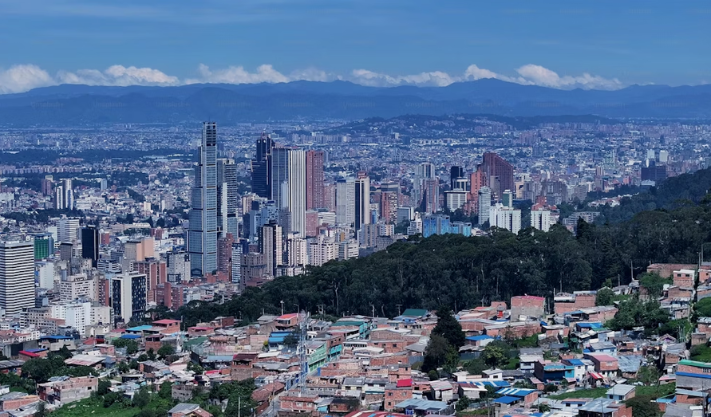
The financial landscape in Latin America is undergoing a massive transformation, driven by the rapid adoption of financial technologies, or fintech. Over the past few years, the region has witnessed a surge in digital banking, mobile payments, blockchain applications, and alternative lending platforms. These innovations are not only modernizing traditional financial systems but also making financial services more inclusive, secure, and accessible.
Rising Demand for Digital Banking
One of the most notable shifts in Latin America is the growth of digital banking platforms. Countries like Brazil, Mexico, Colombia, and Argentina have seen millions of people open online accounts with neobanks and fintech startups. Unlike traditional banks, which often have strict requirements and high fees, digital banks provide fast account setup, low-cost services, and user-friendly mobile apps.
This trend is especially significant in a region where more than 50% of the population was previously unbanked or underbanked. By offering easy access to savings, credit, and investment products, fintech companies are helping people who were excluded from the formal financial system.
Mobile Payments and Digital Wallets
The rise of mobile payments is another major driver of financial change. Popular platforms such as Mercado Pago, Nubank, and PicPay are transforming how people transfer money, pay bills, and shop online. Digital wallets are particularly important in rural and semi-urban areas, where access to physical bank branches remains limited.
With smartphone penetration increasing across Latin America, cashless transactions are becoming more common. This shift is helping businesses expand their customer base and providing consumers with faster, safer, and more convenient payment methods.
Alternative Lending and Credit Access
In Latin America, getting a loan from a traditional bank has long been a challenge due to complex approval processes and high interest rates. Fintech lending platforms are filling this gap by using innovative tools like artificial intelligence and big data to evaluate creditworthiness.
Companies like Creditas in Brazil and Kueski in Mexico are offering quick, digital loans to individuals and small businesses. This new approach not only speeds up the process but also makes borrowing more affordable for people without strong credit histories.
Blockchain and Cryptocurrency Adoption
Latin America is also becoming a global leader in cryptocurrency adoption. Inflation, currency fluctuations, and limited trust in traditional banks have pushed many people to explore digital currencies like Bitcoin and stablecoins. Countries such as El Salvador, which made Bitcoin legal tender, highlight the region’s willingness to embrace blockchain-based solutions.
Cryptocurrencies and blockchain technologies are increasingly being used for cross-border payments, remittances, and investment opportunities. They also offer greater transparency and lower transaction costs, making them attractive alternatives to conventional financial systems.
The Road Ahead
The rapid growth of fintech in Latin America shows no signs of slowing down. Governments are beginning to develop regulations to support innovation while ensuring consumer protection. At the same time, global investors are pouring billions of dollars into Latin American fintech startups, fueling further growth.
In the coming years, the combination of digital banking, mobile payments, blockchain, and AI-driven lending is expected to completely reshape the financial ecosystem in the region. By breaking down barriers and promoting financial inclusion, financial technologies are creating a more connected and empowered Latin America.
Published: 1st October 2025
For more such articles, please follow us on Twitter, Linkedin & Instagram
Also Read:
PGA Tour FedExCup Fall: Key Tournaments & Players to Watch
How to Build a Skincare Routine That Works for Your Skin Type
How Small Businesses Are Actually Using AI