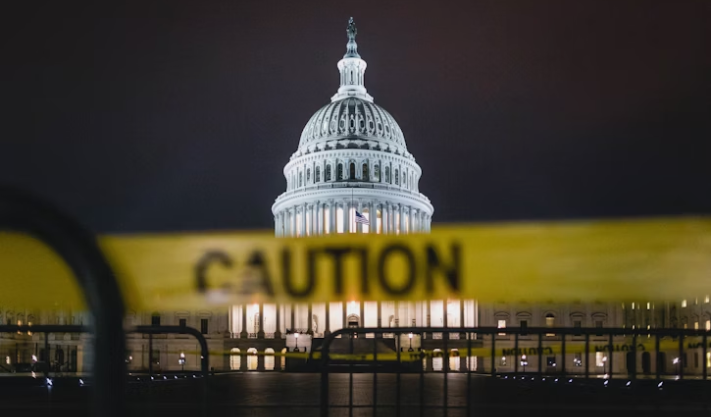
When the U.S. government shuts down, small businesses that work with it quickly feel the pain. Payments stop, contracts freeze, and business confidence drops.
The federal government is the biggest customer in the world. In 2024, small businesses received over $183 billion in federal contracts—about 29% of all contract money. When Washington stops working, this huge marketplace also stops, and small businesses face serious problems.
1. Payments stop
During a shutdown, government payment systems are frozen. Invoices already sent in aren’t processed, and the officials who approve payments are often not working. Small businesses, which usually have small profit margins (around 8%), can quickly run out of cash. This can lead to trouble paying employees and suppliers. Even when the shutdown ends, it can take time for payments to resume.
2. Billing can’t continue
Contractors can’t send bills for work done without government approval. Many projects need access to federal buildings or supervision by government employees, which stops during a shutdown. Unless the project was fully paid for beforehand—a rare case—small businesses can’t recover those lost hours or costs. That means real financial losses, not just delays.
3. New contracts are delayed
Federal contracts follow a regular cycle of bids and awards. When the government shuts down, this process stops. Agencies can’t post new bids or finalize existing ones. As a result, small firms can’t plan for upcoming work, affecting staffing and cash flow. Even short shutdowns can hurt quarterly income and business growth.
4. Projects lose momentum
Even projects that aren’t officially stopped slow down. Government offices close, reviews are delayed, and contacts are unavailable. This leads to missed deadlines and extra costs that small businesses often have to cover themselves. While contractors can report these problems for possible adjustments later, they rarely get back all the lost money.
In the end, confidence starts to fade. Every government shutdown hurts the image of the government as a reliable customer. Businesses begin to protect themselves by looking for more private or state-level work, moving their focus away from federal projects. Economists say that each week of a shutdown cuts U.S. GDP by about 0.1 to 0.2%, or around $7 to $15 billion in lost output. These losses don’t quickly recover after the government reopens — some contracts expire, some get canceled, and some projects are delayed for a long time.
The federal government’s buying power is a key part of America’s business economy. But every shutdown shows how fragile it really is. Companies don’t get paid, can’t bill for waiting time, and their growth slows down. These businesses aren’t political players — they’re employers and innovators who help government agencies work and keep local economies strong.
A shutdown may start as a political issue in Congress, but its real impact hits everyday businesses. When Washington stops, small businesses across America slow down too.
Published: 28th October 2025
For more such articles, please follow us on Twitter, Linkedin & Instagram
Also Read:
The 10 Highest-Paying Blue-Collar Jobs Thriving in 2025
Marketing Meets Sales: Building a High-Impact Revenue Strategy
5 Best Lip Scrubs to Heal and Soften Chapped Lips