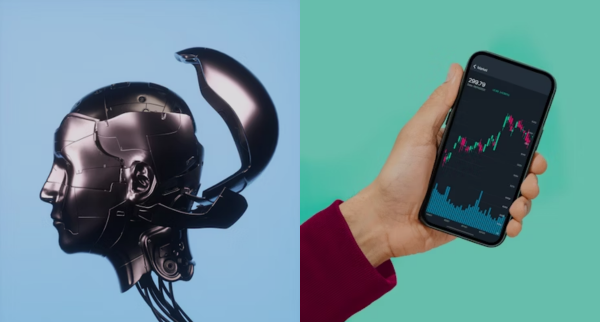
The stock market has always been a space of rapid evolution, driven by technology and innovation. In 2025, the role of Artificial Intelligence (AI) in stock trading has expanded far beyond algorithmic trading and basic data analysis. AI is now reshaping how traders—both institutional and retail—make decisions, manage risks, and gain an edge in the markets. Here’s a look at the key changes happening in the intersection of AI and stock trading this year.
1. Smarter, More Adaptive Trading Algorithms
In 2025, trading algorithms powered by AI have grown significantly more sophisticated. Unlike traditional bots that follow static, pre-defined rules, modern AI systems use deep learning to adapt in real time to new data and shifting market conditions. These systems continuously learn from millions of data points—from price movements and earnings reports to global news and social media trends.
This allows traders to respond to volatility with greater precision and speed. For hedge funds and financial institutions, these intelligent algorithms mean more consistent returns and reduced risk exposure.
2. AI-Driven Sentiment Analysis
One of the biggest breakthroughs in recent years has been the use of AI for sentiment analysis. Natural Language Processing (NLP) tools can now scan thousands of online sources—including Twitter, Reddit, financial news sites, and earnings calls—in seconds.
These systems don’t just count keywords; they understand tone, context, and credibility. For instance, an AI model can now detect whether a CEO’s tone during an earnings call suggests confidence or hidden concern, giving traders a new layer of insight. Retail investors are increasingly using this kind of AI-driven analysis through trading platforms and mobile apps.
3. Greater Access for Retail Traders
AI tools once reserved for Wall Street firms are now accessible to the average investor. In 2025, AI-driven robo-advisors and trading assistants are mainstream. These tools can build and rebalance portfolios, identify trends, and provide personalized insights in real time—all with minimal human input.
Some platforms offer predictive stock scoring systems, where AI assigns a performance probability to individual stocks based on current market data. This democratization of AI has helped level the playing field for retail traders who previously lacked access to advanced analytics.
4. Regulation and Ethical Concerns
With greater power comes greater scrutiny. Regulators are paying closer attention to AI in trading due to concerns over market manipulation, bias in algorithms, and lack of transparency. In 2025, new regulations are being introduced to ensure that AI systems are auditable and fair, especially when used in high-frequency trading or by institutions managing public funds.
Ethical use of AI is also a hot topic—firms are now required to test their algorithms for bias and ensure they do not exploit market inefficiencies in a way that harms retail investors.
5. The Rise of Predictive AI Models
One of the most exciting frontiers in 2025 is the growing reliability of predictive models. AI can now make short-term market forecasts with a surprising level of accuracy. While no model is perfect, combining historical data, macroeconomic indicators, and real-time sentiment analysis has allowed AI systems to anticipate market reactions faster than human traders.
Final Thoughts
AI isn’t just changing how we trade—it’s changing who trades, how decisions are made, and what strategies are possible. As we move deeper into 2025, the synergy between AI and stock trading is pushing the boundaries of what’s possible in financial markets. For both professionals and everyday investors, staying informed and adapting to these changes will be key to success.
Published: 5th August 2025
For more such articles, please follow us on Twitter, Linkedin & Instagram
Also Read:
How I Changed My Skincare Routine for Summer
WWE SummerSlam 2025: Cody Beats Cena, Winners Revealed
Cruising the Northwest Passage: A Journey of a Lifetime Adventure