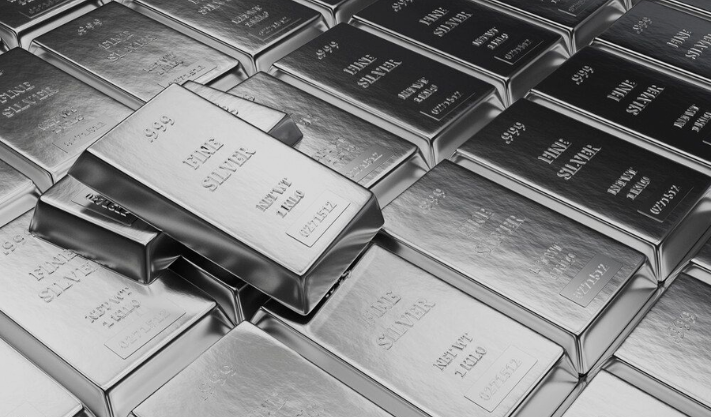
Silver prices are rising much faster than gold prices. This does not happen often. Because of this, the gold-to-silver ratio has fallen to its lowest level in nearly 14 years.
The gold-to-silver ratio compares the price of one ounce of gold to one ounce of silver. When the ratio is low, it means silver is expensive compared to gold. This ratio has now dropped below 50 for the first time since March 2012. In simple terms, silver is stronger than gold right now.
Over the past year, gold prices have increased by more than 80%, reaching about $5,100 per ounce. Silver prices have risen even more sharply, jumping around 250% to about $110 per ounce. Both metals are now trading at record highs.
The main reason for this surge is global uncertainty. Wars are continuing in Europe and the Middle East. Trade tensions between the United States and China are increasing again. At the same time, trust in the U.S. dollar is weakening as government debt grows and inflation remains above 2%. Political leaders are also warning that the global system built after World War II is becoming unstable. When investors feel uncertain about governments, currencies, or the economy, they often turn to gold and silver because these metals are seen as stores of value.
A similar situation happened in 2012, the last time the gold-to-silver ratio fell this low. Back then, the U.S. Federal Reserve launched “Operation Twist.” The Fed bought long-term bonds and sold short-term bonds to keep interest rates low. This policy made investors worry that the central bank was running out of normal options. Low interest rates reduced the appeal of cash and bonds, pushing investors toward gold and silver instead. As a result, prices for both metals went up.
While higher prices for precious metals make sense in today’s environment, silver’s rapid rise compared to gold is unusual. Since 1985, the gold-to-silver ratio has averaged around 70. It has dropped below 50 only about 6% of the time. This shows how rare the current situation is.
That does not mean the ratio must return to normal quickly. Wars, inflation, and debt are still pushing money into precious metals. However, when something rare happens in the market, investors pay close attention. Their reactions can influence what happens next.
If the ratio does move back toward its long-term average, it could happen in two ways. If gold stays near $5,100 per ounce, silver would need to fall to around $72 per ounce. That would mean silver prices drop by about 35%. On the other hand, if silver remains near $110, gold would have to rise sharply to around $7,700 per ounce.
Which path the market takes will depend on how global risks and investor confidence develop in the coming months.
Published: 27th January 2026
For more such articles, please follow us on Twitter, Linkedin & Instagram
Also Read:
7 ChatGPT Prompts to Transform 1 Idea into 50+ Content Pieces
Oscar Nominations 2026: “Sinners” Sets New Record With 16 Nods
8 Ways ‘Hybrid Creep’ Is Driving the Return-to-Office Push