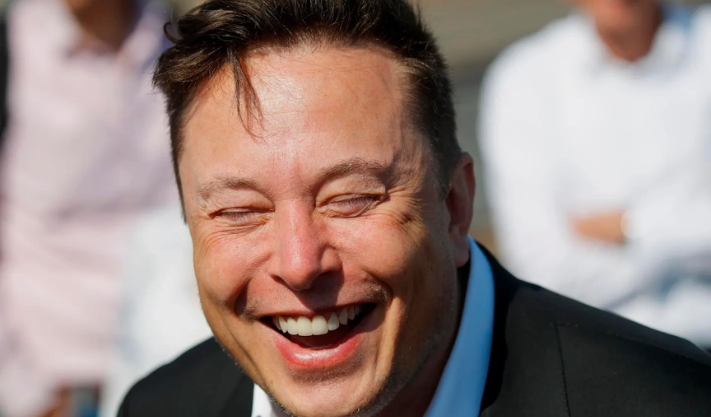
Many big investors, advisors, and even the Pope are against Elon Musk’s plan to get a $1 trillion pay package. But it looks like Tesla shareholders may still approve it. If they do, it means they believe Musk — a talented but controversial CEO — can pull off another big success using artificial intelligence (AI), despite recent problems at Tesla.
Musk wants to shift Tesla’s focus from electric cars to AI-powered robotaxis and humanoid robots. Many investors seem confident he can make this work, even though Tesla’s car sales are falling and the company’s stock is already very expensive — trading at over 300 times its expected profits. On Wednesday, Tesla’s shares rose 4% to $462.26.
Some experts think this belief in Musk borders on “magical thinking.”
“Tesla’s value only makes sense if you believe Elon Musk has special powers,” said Gautam Mukunda, a professor at Yale. “There’s no real proof that Tesla is leading in self-driving cars — other companies like Waymo are ahead. The only evidence is Musk’s own words.”
Mukunda added that Musk’s biggest talent is his ability to convince investors that he can achieve the impossible.
The vote on his pay plan comes at a tough time. Musk seems less interested in Tesla, and his attention is spread across several other companies, including his new AI firm, xAI. Tesla’s board says giving him a larger share of the company — raising his stake from 13% to 25% — is important for keeping him involved and helping Tesla grow. But critics say he’s distracted.
Ross Gerber, CEO of Gerber Kawasaki Wealth and Investment Management, said, “I liked where Tesla was going before. Now, Musk is changing direction because people aren’t buying his cars. He hasn’t taken responsibility for the problems he’s caused.” Gerber’s company owns about $80 million in Tesla stock but voted against Musk’s pay package.
Tesla’s third-quarter car sales rose 7.4%, but that boost came from a $7,500 U.S. tax credit that’s ending soon. Overall, Tesla’s global EV sales are down 6% this year and are expected to drop another 7% in 2025 — the second straight yearly decline.
In the U.S., Musk’s open support for Donald Trump has hurt Tesla’s image in liberal states like California, where EVs are most popular. In Europe, his ties to far-right leaders have also damaged sales. And in China — once Tesla’s biggest growth market — local rivals such as BYD, Xiaomi, XPeng, and NIO are taking market share with cheaper cars.
“I want my company back. Tesla could have been the most important company for fighting climate change. Instead, it’s turning into something useless,” Gerber said.
He believes Musk should stop his strange behavior and focus on making new, competitive products to fight global EV rivals. He also thinks Musk should build on Tesla’s successful areas—like its battery business and EV charging network.
Gerber added, “I’m both personally and as a shareholder unhappy. I invested in Tesla because its main goal was clean transportation and energy to help solve the climate crisis. But now it’s chasing pointless ideas like robotaxi rides and robots—things that already exist. I want my company back. Tesla could be a leader in saving the planet, but it’s shifting toward nonsense.”
Gerber, once a big fan of Musk, is not the only one against Musk’s new pay proposal. Norway’s national wealth fund and several pension funds have voted against it. Proxy firms like Glass Lewis and Institutional Shareholder Services also don’t support it. Even Pope Leo criticized it, saying such huge pay plans add to the world’s problem of extreme wealth inequality.
The proposal, announced in September, would give Musk another 12% of Tesla’s stock over 10 years if he meets certain goals. To earn it all, Tesla must sell 20 million EVs by 2035, make 1 million robots, have 10 million active Full Self-Driving subscribers, 1 million robotaxis, and reach a market value of $8.5 trillion—up from about $1.5 trillion today.
During Tesla’s recent earnings call and on the “All-In” podcast, Musk attacked critics of the plan, especially the advisory firms ISS and Glass Lewis.
“I call them corporate ISIS—they’re basically terrorists,” he said, claiming the firms are influenced by “far-left activists.”
Musk also said the vote isn’t just about his pay—it’s about keeping control of Tesla. “I need around 25% voting power,” he explained. “That’s enough to have strong influence but not enough to stop me from being fired if I lose it. I’m not going to build a robot army if I can be kicked out easily by activist investors.”
However, both Yale’s Mukunda and Gerber say Musk’s argument doesn’t make sense.
“Musk already owns a big part of Tesla and has a very loyal board,” Mukunda said. “Would 25% really give him more control? That doesn’t add up.”
Though Musk has hinted he might leave Tesla if the vote fails, Mukunda doesn’t believe it. “Based on what we know, Musk’s threat to walk away isn’t realistic. He’s likely heavily dependent on Tesla’s stock value. If he left, Tesla’s stock would probably crash, and that would be disastrous for him.”
Tesla supporters, including Wedbush analyst Dan Ives, believe Elon Musk will get “strong approval” from shareholders, he said in a research note. “Basically, getting Musk’s pay package approved at the upcoming meeting will be an important step for Tesla’s future plans with self-driving cars and robotaxis.”
If the past is any indication, Tesla voters have always approved Musk’s pay packages, so Ives is probably right. But Gerber thinks this time might be different because of how index funds could vote.
“I think it will pass, but it’s not guaranteed,” he said. “There’s a ‘what if the index funds vote against it?’ factor. They’re kind of the unknown.”
Twenty years after Musk first got involved with Tesla as its main investor, he has been extremely successful—far beyond what seemed possible when the company was struggling in 2008. Back then, Tesla was running out of money and trying to convince early customers and investors to stick with it. Musk’s focus helped the company succeed, but now he’s juggling many roles across several companies and spending a lot of time on social media, which creates distractions even if he owns a huge amount of stock.
“This doesn’t take away from Musk’s achievements with Tesla and SpaceX,” said Mukunda. “But the Elon Musk we see today isn’t quite the same as the one who did those incredible things. The skills that helped him succeed before aren’t always the same ones needed to succeed now. Often, the person who gets you to one point isn’t the same as the one who can take you further.”
Published: 6th November 2025
For more such articles, please follow us on Twitter, Linkedin & Instagram
Also Read:
Why Vibe Coding Is Transforming Small Business Growth
What We Know About the Deadly Kentucky Cargo Plane Crash
The Hill Traffic Jumps Nearly 50% Amid Government Shutdown