Shuaib Mitchell Interview
Shuaib Mitchell, President/CEO of United Filmmakers, LLC and President of Omni United Studios, is an award-winning Motion Picture & Television Director, Producer, and Screenwriter with over 35 years of experience. A proud Howard University graduate and member of the Director’s Guild of America, he has produced acclaimed works such as Straight Up Go-Go, Too Saved, Nocturnal Agony, and The Game That Changed College Basketball. Through United Filmmakers, Mitchell is on a mission to “tilt the balance of power back into the hands of the filmmaker,” creating fair, transparent opportunities for African-American and African storytellers worldwide. His career reflects a deep commitment to cultural authenticity, independent filmmaking, and empowering the next generation of creators.
The Roots of a Storyteller
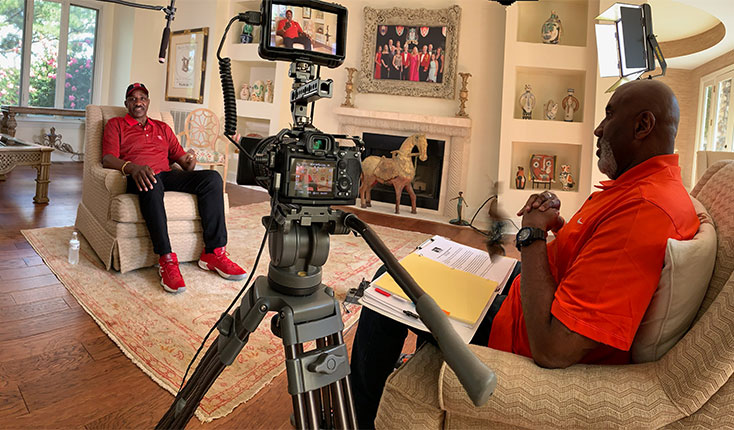
We started the interview by asking, “What initially drew you into the world of filmmaking, and how did Howard University shape your journey?
Shuaib Mitchell replied, “Growing up, I was always fascinated by the power of storytelling, especially when it came from authentic voices. When I attended Howard University, everything changed. I studied under a brilliant faculty that included independent filmmakers Abiyi Ford, Alonzo Crawford and the internationally acclaimed Haile Gerima who challenged us to use film as a tool for cultural empowerment. That experience gave me a strong foundation not just technically, but also in understanding the responsibility of telling our stories truthfully. I saw how film could preserve history, ignite conversations, and shift perceptions. Starting my career at C-SPAN allowed me to hone my skills in a live, high-pressure environment. But it was my passion for independent filmmaking that really pushed me forward. I wanted to create content that spoke directly to our communities, without filters or gatekeepers. Howard planted that seed, and I’ve been nurturing it ever since by writing, directing, and producing my own films as well as mentoring the next generation of storytellers.”
Putting Power Back in Filmmakers’ Hands
The Worlds Times: United Filmmakers was founded on the idea of empowering creators. What does that mission mean to you personally?
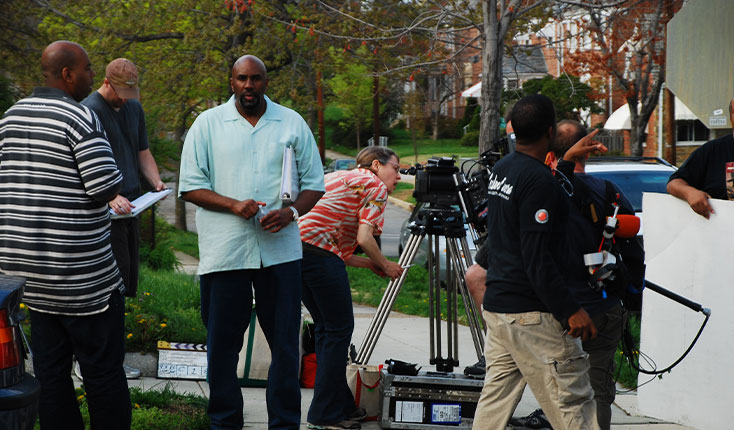
Shuaib Mitchell replied, “United Filmmakers is more than a company it’s a statement. For too long, independent filmmakers, especially those of African descent, have had to fight for scraps when it comes to distribution and creative control. I’ve lived that reality. That’s why our motto, “Tilting the Balance of Power Back into the Hands of the Filmmaker,” is so important. We’re focused on giving creators transparent contracts, fair revenue, and real access to top platforms like Netflix, Hulu, and Tubi. Personally, this mission is about restoring dignity to the craft. Filmmakers pour their hearts into their work it’s only right they retain ownership and benefit from it. Through United Filmmakers and our subsidiary Omni United Studios (which focuses on film financing and production), we’re building a system that values authenticity, rewards creativity, and puts control back where it belongs with the storyteller. That’s how we create lasting change and preserve cultural narratives for future generations.”
Healing through Cinema
The Worlds Times: Nocturnal Agony touched on deep emotional themes. What was your creative vision behind this project?
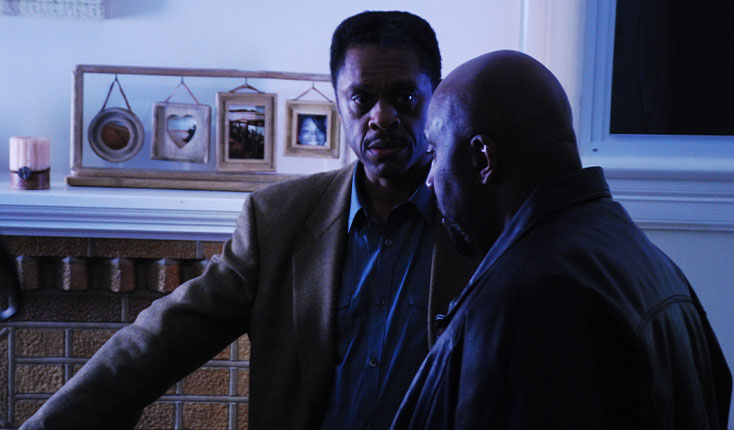
Shuaib Mitchell replied, “Nocturnal Agony was a labor of love and healing. I wanted to explore how unspoken trauma especially within Black families can manifest in unexpected ways. The story dives into psychological and spiritual pain, but it also highlights redemption and the power of faith. Working with veteran actors like Lawrence-Hilton Jacobs, Vernee Watson, and Rae’Ven Larrymore Kelly brought an emotional depth that elevated the entire film. From casting to cinematography, everything was intentional. I wanted audiences to see themselves on screen and feel seen, heard, and understood. The response was overwhelming winning multiple awards and receiving a 4-star rating on Amazon Prime. But beyond the accolades, what mattered most was the feedback from people who said the film helped them process their own struggles. That’s the magic of cinema it can entertain, but it can also heal. Nocturnal Agony was my contribution to that kind of transformational storytelling.”
When Sports Changed History
The Worlds Times: Your documentary The Game That Changed College Basketball dives into a historic sports moment. What inspired this story?
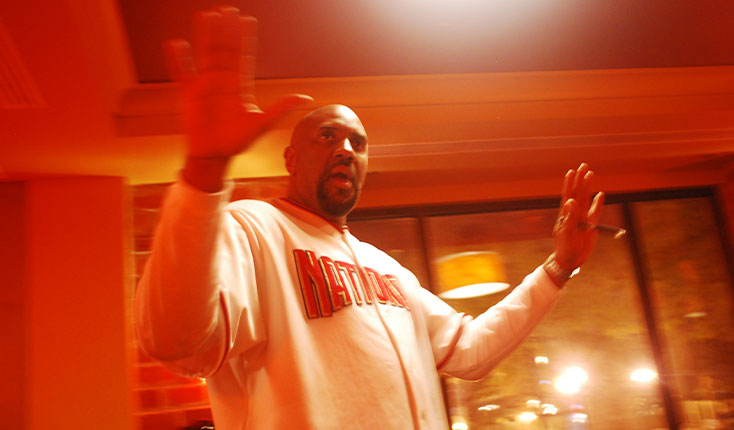
Shuaib Mitchell replied, “I’ve always been fascinated by how sports intersect with culture, race, and history. The 1974 ACC Championship Game between NC State and the University of Maryland was more than just a thrilling match it changed the landscape of college basketball forever. It forced the NCAA to rethink its tournament structure and opened the door for greater representation and parity. But what drew me in was how that single game impacted the lives of so many players, coaches, and fans and reshaped college basketball’s future. As a filmmaker, I saw an opportunity to revisit this powerful moment and examine its ripple effects. Through archival footage, interviews, and narrative storytelling, we crafted a film that honors the game while unpacking its legacy. My hope is that viewers walk away with a deeper understanding of how one event can ignite systemic change. Sports can be a mirror to society, and this story reflects a pivotal chapter in American athletics.”
Breaking Barriers in Hollywood
The Worlds Times: What have been the biggest challenges you’ve faced as a Black filmmaker in a predominantly white industry?
Shuaib Mitchell replied, “Access. Whether it’s funding, distribution, or the traditional Hollywood gatekeepers, true access has always been one of the biggest challenges facing independent filmmakers. Early in my career, I realized that having a great story wasn’t enough if you didn’t have the right connections or people willing to take a chance on your vision. There were times I had to wear multiple hats writer, director, producer, marketer just to bring a project to life. But instead of letting those challenges stop me, I used them as fuel. I created my own path, and now through United Filmmakers and our subsidiary Omni United Studios, I’m helping others do the same. Being a Black filmmaker also means carrying the weight of representation. There’s pressure to always “get it right,” because opportunities can be limited. But that pressure also sharpens your purpose. I’m proud of the battles I’ve fought, and I’m even more proud of the spaces I’ve helped carve out for others behind me.”
Stories That Speak with Purpose
The Worlds Times: You’ve worked across documentary, drama, and comedy. How do you choose your projects?
Shuaib Mitchell replied, “For me, everything begins with the story. If it speaks to me, challenges me, or sparks an important conversation, I’m in, regardless of genre. I don’t limit myself by genre because our experiences as Black people are vast. We laugh, we cry, we struggle, we triumph and all of that deserves to be reflected on screen. Whether it’s a documentary like Straight Up Go-Go that celebrates culture and musical tradition, or a romantic comedy like Too Saved that examines faith and relationships, each project comes from a desire to portray our full humanity. I also look at impact. Will this story resonate? Will it stick with people after the credits roll? That’s what matters to me. The style or format may vary, but my commitment to truth, representation, and emotional depth remains the same across everything I do.”
A Legacy of Truth and Empowerment
Lastly we asked, “What legacy do you hope to leave behind through your films and your work at United Filmmakers?”
“I want to be remembered as someone who told the truth both fearlessly and beautifully. My hope is that my films will continue to speak long after I’m gone, offering insight, healing, and empowerment. Through United Filmmakers and Omni United Studios, my partners and I are building something designed to outlive us all; a space where diverse stories are not only accepted but celebrated and prioritized. I want to leave behind a model that demonstrates how independent filmmakers can thrive without compromising their vision or values. Most importantly, I hope to inspire others to pick up the camera and share their own truths. Whether through a moving documentary or a powerful drama, storytelling has the power to change hearts and minds forever. This is the legacy I want to leave: to have sparked change, shifted perspectives, and opened doors for the marginalized voices yet to come.” Shuaib Mitchell concluded
Connect with Shuaib Mitchell on LinkedIn
For more information visit United Filmmakers, LLC & Omni United Studios
Also Read:
Nuttha Goutier Building a Legacy of Wellness
Škrabánková Jana on Leading Innovation in Science Education
Elaine Hirschl Ellis: A Journey Through History and Design