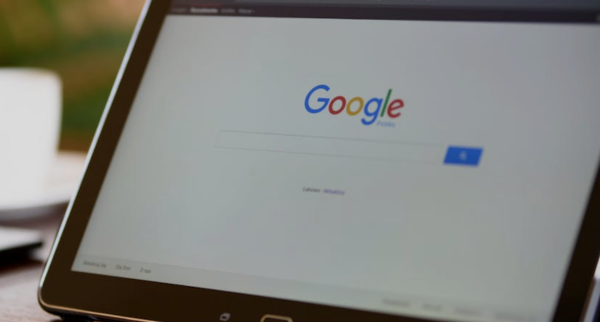
In 2024, Google rolled out its AI Overview feature in search results—a move that sent shockwaves through the digital marketing world. Instead of simply listing websites in response to a query, Google’s AI Overview now provides users with an AI-generated summary right at the top of the search page. While it offers convenience for users, it has raised serious concerns for small businesses that rely heavily on organic traffic from Google Search.
As 2025 unfolds, small businesses are feeling the impact. Fewer clicks are reaching their websites, even when they rank highly in search results. But all is not lost. Here’s how small businesses can adapt—and even thrive—in the age of Google’s AI Overview.
Understand the Shift
First, it’s important to understand what’s changed. AI Overview pulls information from a wide range of sources and synthesizes it into a short answer for the user. This means that searchers often get the information they need without clicking through to a website. In effect, the top of the funnel is being narrowed.
For small businesses that depend on high-traffic blog posts or FAQ pages to draw in leads, this is a problem. Visibility no longer guarantees clicks.
Focus on Authority and Expertise
Google’s AI Overview doesn’t pull content at random. It draws heavily from sources it considers authoritative and trustworthy. For small businesses, this means building topical authority and demonstrating expertise.
Ways to do this include:
-
Publishing high-quality, original content that’s deeply informative and specific to your niche.
-
Getting featured or mentioned by authoritative sites in your industry.
-
Building backlinks from reputable sources.
Over time, Google may begin using your content in its AI-generated responses—and even if users don’t click, brand mentions can still build recognition and trust.
Optimize for “Click-Worthy” Value
If users are getting quick answers from AI, your content must offer something they can’t get from a summary. Think in terms of depth, experience, and unique perspective.
For example:
-
Provide tools, downloads, or calculators that require a visit.
-
Offer expert commentary or case studies not available elsewhere.
-
Create community or discussion spaces that can’t be replicated by AI.
Your goal should be to make your website a destination, not just a source of information.
Leverage Other Platforms
Diversification is key. If you’ve been overly reliant on Google Search, now is the time to broaden your reach:
-
Invest in email marketing to build a direct relationship with your audience.
-
Grow your presence on social media platforms where AI has less control over discovery.
-
Explore YouTube, podcasts, and newsletters—channels that retain their audience engagement.
This ensures your business stays visible even as Google shifts its priorities.
Adapt and Stay Informed
Finally, the businesses that survive these changes will be those that keep adapting. AI in search is evolving rapidly. Stay informed about changes in SEO best practices, experiment with new formats, and regularly review your analytics to understand what’s working.
The Bottom Line
Google’s AI Overview marks a major change in how people interact with the web, and small businesses need to evolve with it. While the days of easy SEO traffic may be fading, there are still plenty of ways to build visibility, authority, and customer loyalty. The key is to focus on value, diversify your reach, and treat your website as more than just a traffic sink—it must be a true asset to your audience.
Published: 11th August 2025
For more such articles, please follow us on Twitter, Linkedin & Instagram
Also Read:
Jack Daniel’s Launches Blackberry Flavour
Simple Tips to Boost Collagen and Keep Skin Firm
Wednesday Season 2 Review: Netflix’s Spooky Hit Returns Bigger