Collagen is a vital protein in our bodies, responsible for keeping skin firm, smooth, and youthful. As we age, natural collagen production slows down, leading to sagging skin, fine lines, and reduced elasticity. Fortunately, there are proven ways to stimulate collagen production and improve skin elasticity. Here’s how you can restore your skin’s youthful resilience from the inside out.
1. Eat a Collagen-Boosting Diet
Nutrition plays a key role in collagen synthesis. Foods rich in vitamin C, zinc, and amino acids help your body build collagen naturally. Include these in your diet:
-
Vitamin C-rich foods like citrus fruits, strawberries, bell peppers, and broccoli.
-
Protein sources such as chicken, fish, eggs, and bone broth for amino acids like glycine and proline.
-
Leafy greens and berries, which are high in antioxidants to protect existing collagen from damage.
Avoid excessive sugar and refined carbs, as they can break down collagen through a process called glycation.
2. Use Collagen-Stimulating Skincare Products
Topical products can help boost collagen when used consistently. Look for ingredients like:
-
Retinoids (Retinol or Retinaldehyde): These vitamin A derivatives increase cell turnover and collagen production.
-
Peptides: Short chains of amino acids that signal the skin to produce more collagen.
-
Vitamin C serums: Powerful antioxidants that help build and protect collagen while brightening the skin.
Always follow up with sunscreen, as UV exposure is one of the leading causes of collagen breakdown.
3. Protect Your Skin from the Sun
Ultraviolet (UV) rays from the sun degrade collagen and accelerate skin aging. Daily sun protection is crucial. Use a broad-spectrum sunscreen with SPF 30 or higher, even on cloudy days. Wearing a hat and avoiding peak sun hours also helps reduce UV damage.
4. Try Professional Treatments
If you’re looking for a more intensive boost, dermatological treatments can stimulate collagen production and improve elasticity:
-
Microneedling: Tiny needles create micro-injuries that stimulate the skin’s natural healing process and collagen production.
-
Laser treatments: Such as fractional CO2 or radiofrequency lasers, promote collagen remodeling deep within the skin.
-
Chemical peels: These remove dead skin cells and encourage new collagen growth.
Always consult a licensed dermatologist to determine the best treatment for your skin type and concerns.
5. Stay Hydrated and Get Enough Sleep
Dehydrated skin appears dull and loses elasticity. Drink plenty of water daily and use a good moisturizer to lock in hydration. Sleep is also vital—during deep sleep, the body repairs itself and produces collagen. Aim for at least 7–8 hours of quality sleep per night.
6. Consider Collagen Supplements
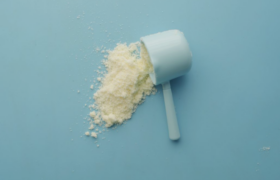
Collagen peptides or hydrolyzed collagen supplements have gained popularity for their ability to support skin health. Studies suggest that consistent use over several months can improve skin elasticity and hydration. Choose a supplement with types I and III collagen for best skin benefits.
Conclusion
Maintaining and boosting collagen levels is achievable with a consistent skincare routine, healthy lifestyle choices, and, if desired, professional treatments. By taking proactive steps, you can keep your skin firm, elastic, and radiant well into the years ahead.
Published: 8th August 2025
For more such articles, please follow us on Twitter, Linkedin & Instagram
Also Read:
Wednesday Season 2 Review: Netflix’s Spooky Hit Returns Bigger
How to get a perfect body shape for girl at home
Affordable Health Insurance Key to Early Retirement Plans